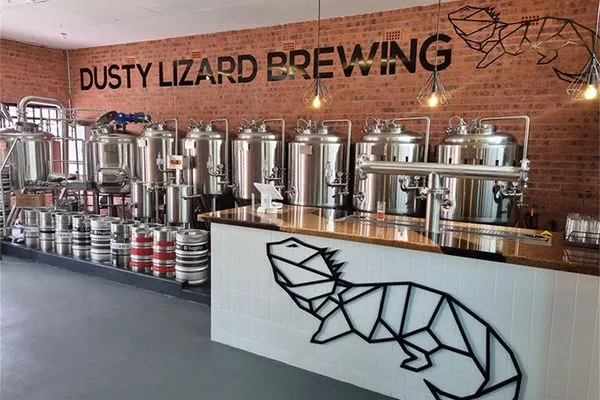

Dusty Lizard Brewing
Location: Australia Website:https://www.dustylizardbrewing.com.au/ Project Detail: Dusty Lizard Brewing is a craft brewery and brewpub based in Australia, known for producing flavorful, approachable beers for

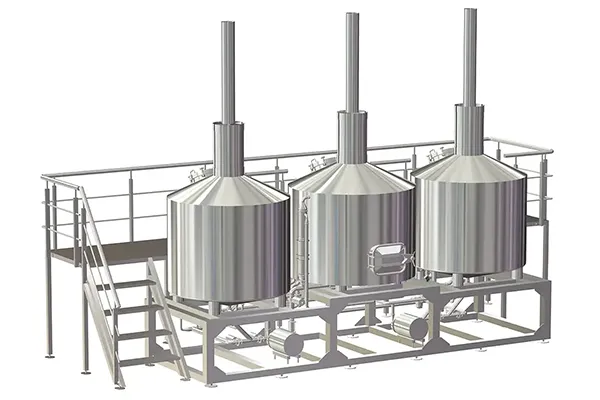
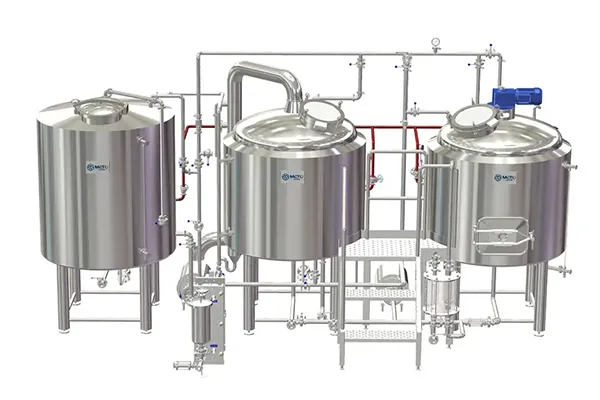
METO’s 500L microbrewery equipment is designed for brewpubs and small craft breweries that need professional process control, regular production and a clear path to local keg or packaged distribution. A typical system combines a two-vessel brewhouse, hot liquor tank, matched fermenters, glycol cooling, CIP, sanitary piping and controls engineered as one coordinated project.


Compliance-ready documentation for global deployment.
Sanitary TIG welding, polishing, and QC workflow.
Tested before shipment for stable on-site commissioning.
Layout guidance, utilities matching, and after-sales support.
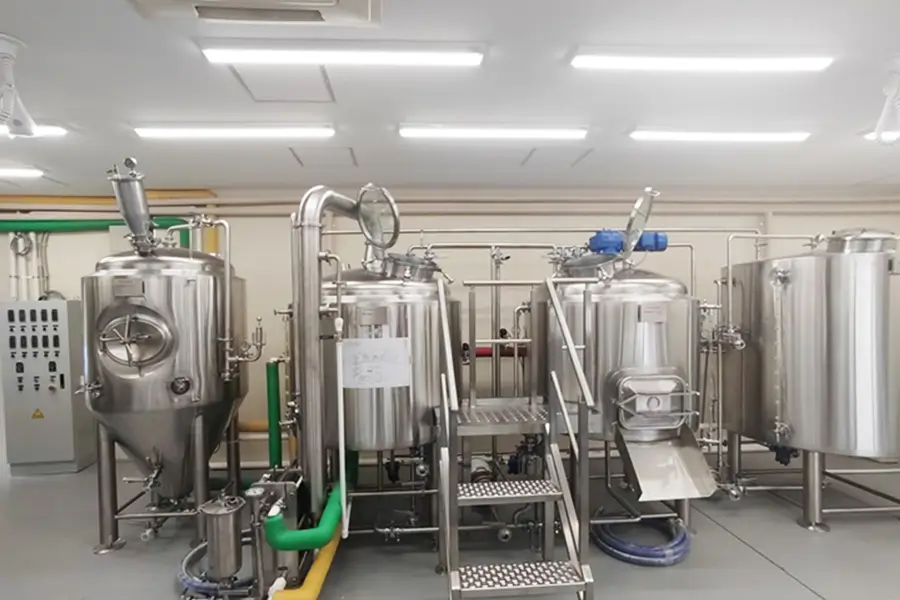
This 500L brewery system is configured as a compact 2-vessel brewhouse paired with a multi-fermenter cellar, giving you both operational simplicity and production flexibility.
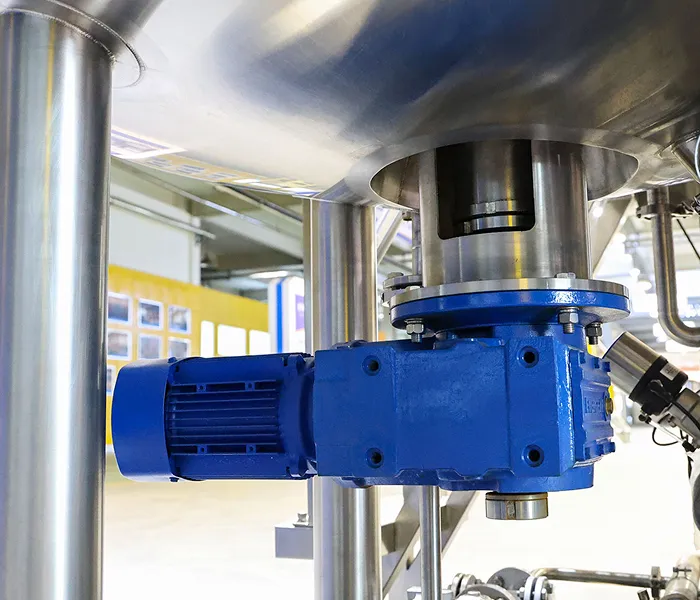
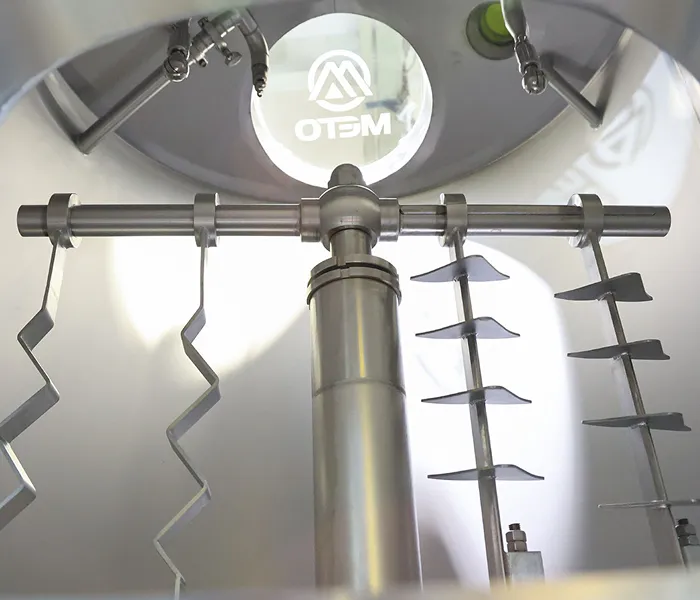
• 500L Mash Lauter Tun with raking & VFD control
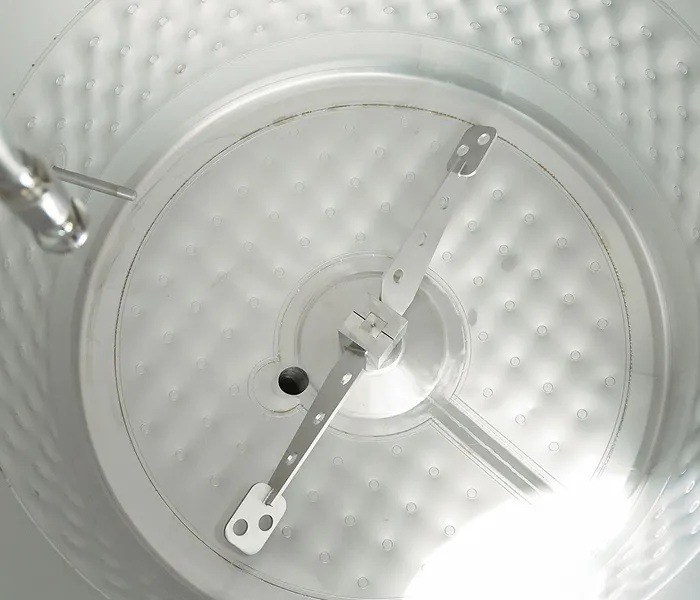
• Steam heating with dimple jacket (bottom & side)
• Wedge wire false bottom for efficient filtration
• 500L Kettle Whirlpool with tangential inlet
• Sanitary finish & CIP-ready design
• 800L Hot Water Tank for mashing & sparging
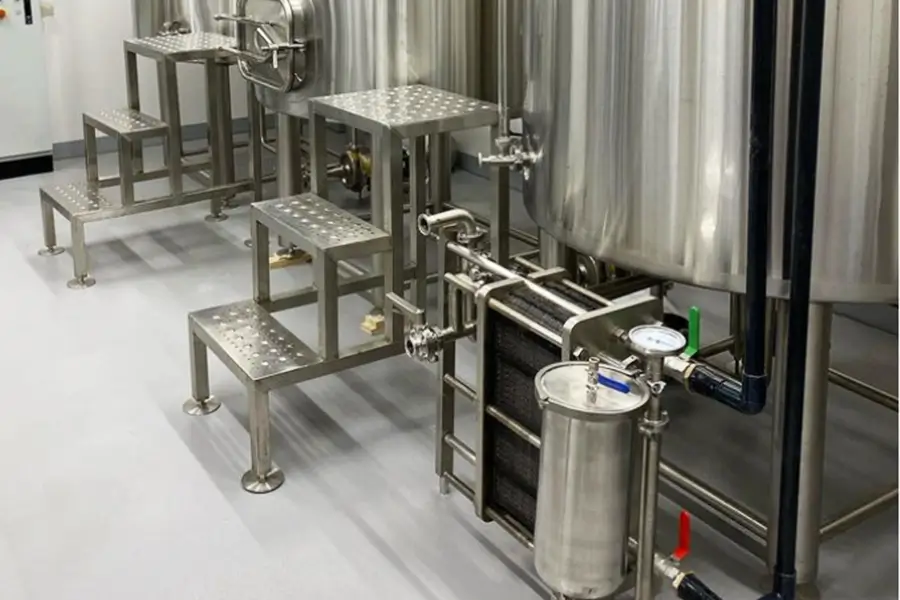
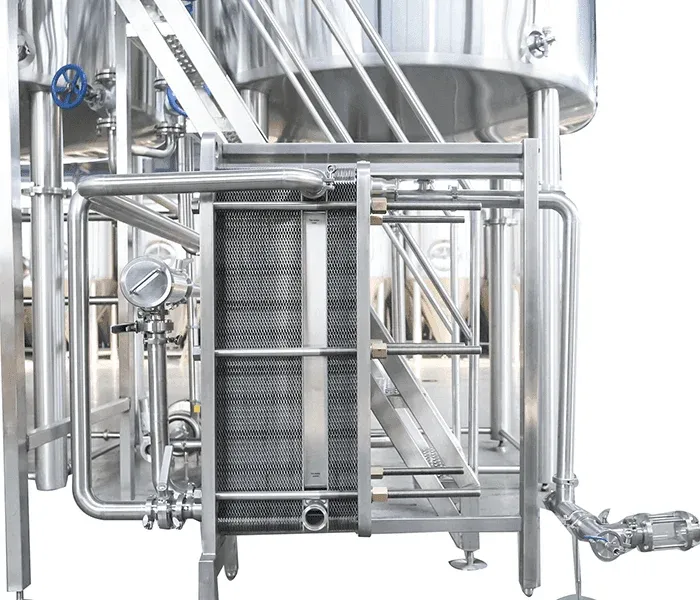
• Plate Heat Exchanger (two-stage) for stable cooling
• Venturi wort oxygenation assembly
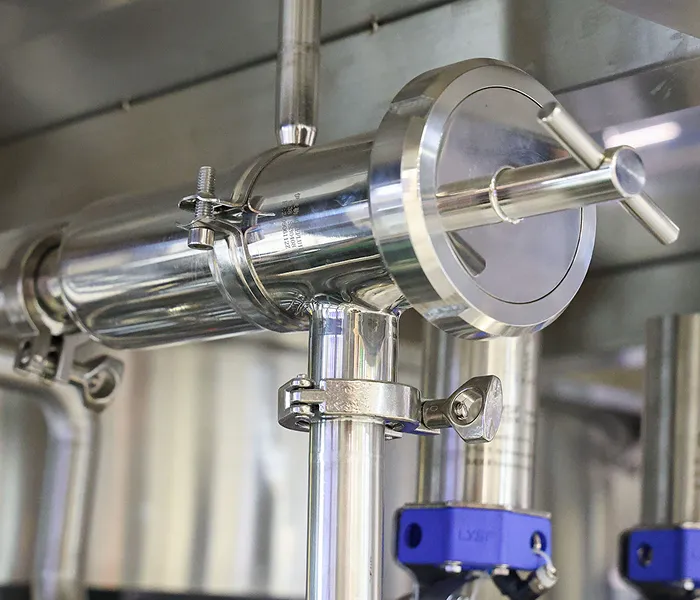
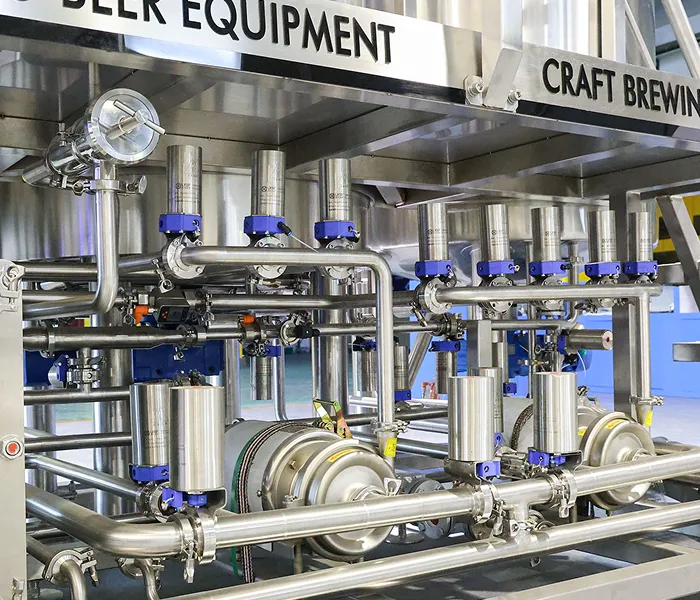
• Sanitary pumps & piping matched to flow
• Expansion-ready for glycol & packaging utilities
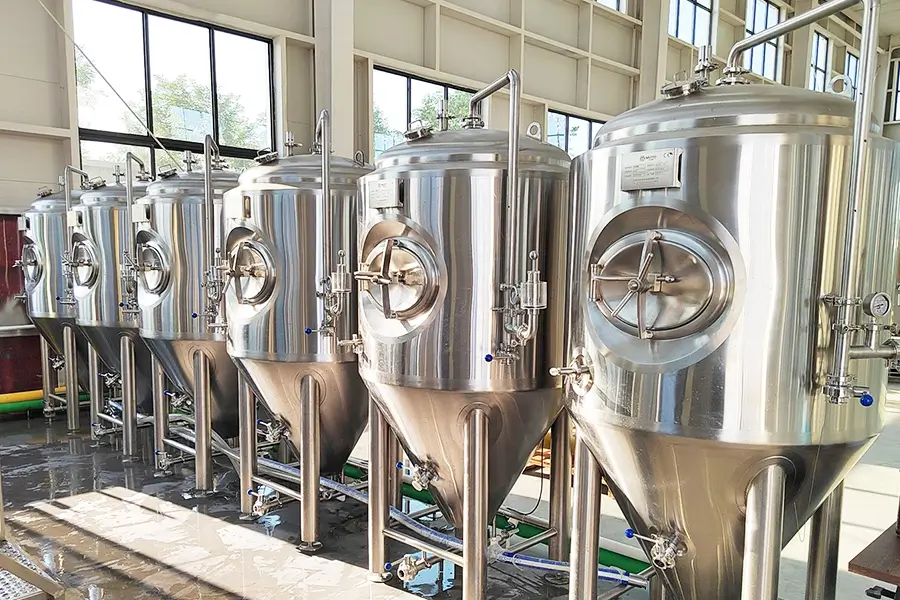
• 500L conical fermenters (+ headspace)
• Dimple jackets (side & bottom) for glycol cooling
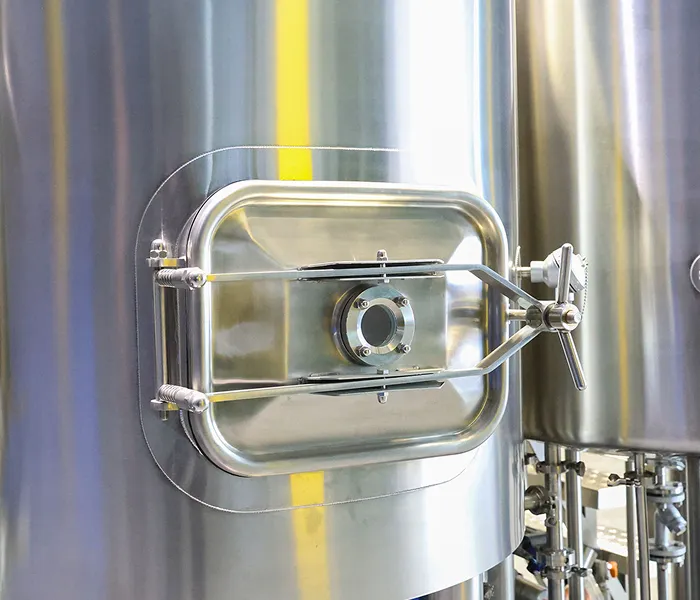
• Safety valve, gauge, sample valve, racking arm
• Dry hopping port + CIP spray ball coverage
• Parallel fermentation for recipe flexibility
Built with sanitary construction, stable process logic, and long-term reliability in mind. This stainless steel brewery equipment is designed for consistent output, easier cleaning, and smooth commissioning.
Smooth seams to reduce residue traps and improve cleanability.
Ra-level finishing to support hygienic operation and stable flavor outcomes.
Insulation and jacket design to reduce energy load and stabilize cycles.
Pressure/leak tests and functional checks before shipment.
• 100% sanitary TIG welding (argon shielding)
• Pickling & passivation (on request / per process)
• Surface finishing for cleanability
• Steam jacket testing
• Pressure & leak testing before delivery
• Electrical and pump functional verification
We can provide layout suggestions, utilities lists, and integration notes to reduce on-site commissioning time.
Engineer-friendly parameter summary for procurement and integrators. Final configuration can be customized to your utilities, standards, and layout.
| Module | Model / Qty | Key Specs | Material |
|---|---|---|---|
| Mash Lauter Tun (MT/LT) | 500L × 1 | Steam dimple jacket (bottom & side), VFD raking, wedge wire false bottom, CIP-ready | SS304 (SS316 optional) |
| Kettle Whirlpool (KT/WT) | 500L × 1 | Steam heating, tangential inlet, trub outlet, sanitary polished interior (Ra-level finish) | SS304 (SS316 optional) |
| Hot Water Tank (HLT) | 800L × 1 | Steam heated, insulated, CIP spray ball, stable hot water supply for mash/sparge | SS304 |
| Fermentation Tanks | 500L × 6 | Conical, dimple jackets (side & bottom), pressure-rated fittings, racking arm, dry hop port, CIP ball | SS304 (SS316 optional) |
| Plate Heat Exchanger | 2-stage × 1 | Wort cooling integration; sizing matched to site water/glycol conditions | Food-grade materials |
| Pumps & Oxygenation | Set | Sanitary centrifugal pumps, wort oxygenation assembly, valves & piping integration | SS304 + industrial motors |
| Platform & Piping | Set | Work platform, stairs, sanitary piping & fittings (DIN/ISO/SMS options) | SS304 |
Note: Specifications can be customized based on local standards, heating method (steam/electric), utilities, and site layout. Share your layout for a matched proposal.
Explore other brewery equipment models by capacity to match different production goals and future expansion plans.
Relevant tanks and pressure-bearing components are manufactured in food-grade SS304 or SS316 as specified, with sanitary TIG welding, controlled surface finishing, and documented inspection records. All applicable equipment undergoes documented 48-hour water and pressure testing before shipment. CE, UL, and CSA compliance documentation is available for the applicable equipment scope and destination-market requirements. METO also provides layout, utilities, commissioning guidance and long-term expansion support.
Configuration based on brewing workflows, not generic tank lists.
Layouts, utilities lists, and integration notes for your site.
Better cost control, faster response, clearer accountability.
Training, spare parts guidance, and expansion planning support.
Malt Handling → milling & transfer preparation
Brewhouse → mash/lautering + boil/whirlpool
Cooling & Transfer → heat exchange to fermentation temp
Fermentation → jacketed conical fermenters for stability
Conditioning (Optional) → BBT / maturation
CIP → clean-in-place hygiene standardization
Packaging (Future-ready) → keg/bottle/can integration
Choose 500L when the brewery needs a professional brew schedule, local distribution capability and modular cellar growth without moving to a large commercial footprint.
A 500L system is often the first practical step from occasional small batches to a repeatable commercial brew schedule. It can support taproom service and limited local distribution without the footprint of a larger brewhouse. Fermenter quantity, bright beer capacity and packaging connections should be planned from the sales forecast rather than selected as isolated tanks.
Cerveza IGEL Brewery in Chile is a verified 500L METO brewery reference. The additional cards show adjacent nano projects and link to their complete case pages.

Location: Australia Website:https://www.dustylizardbrewing.com.au/ Project Detail: Dusty Lizard Brewing is a craft brewery and brewpub based in Australia, known for producing flavorful, approachable beers for


Location:Guayaquil,Ecuador Project Detail: In 2016, we established a partnership with Django Cerveza Artesanal, a renowned craft beer brand in Ecuador, to provide tailor-made

Location: Chile Website:https://www.cervezaigel.cl/ Project Detail: In 2023, we embarked on our first collaborative venture with Cerveza IGEL Brewery, a renowned microbrewery
Answers for engineering and procurement teams evaluating a 500L brewery equipment project.
The reference package uses six 500L conical fermenters. Work from your brew plan: brews per week times fermentation days, plus extra capacity for dry-hopping, lagers and slower beers. Six tanks can support roughly three brews a week with a two-week ale cycle. A unitank design saves a separate bright tank; we advise by your schedule.
It suits brewpubs, local craft breweries and startups that need professional process control and regular production, with a clear path to local keg or packaged sales. It is larger than a nano system but still compact, using a two-vessel brewhouse, hot liquor tank, matched fermenters, glycol cooling, CIP and controls as one project.
Yes. The package is expansion-ready for glycol and packaging utilities. The usual route is adding fermenters and bright tanks, with chiller and utilities planned at the start. Tell us the volume you want to reach and we will check what the brewhouse and glycol system can handle.
The price depends on vessel layout, heating method, the number of fermenters and bright tanks, cooling, controls, whether packaging is included, certifications, and shipping and installation. We recommend a budget reserve beyond the equipment. Send your requirements and our sales team will prepare a quotation for the exact configuration.
Multiply beer per brew by brews per week and by four. For example, with six 500L fermenters and a two-week ale cycle, about three brews a week gives roughly 12 brews, or 6,000 liters, a month. Lagers and dry-hopped beers occupy tanks longer, so fermenter space sets the real limit. Treat this as an example, not a guarantee.
Prepare electrical supply sized to your heating method (this reference uses steam heating), hot and cold water, drainage, compressed air, glycol chiller space, ceiling height and floor loading, and exhaust. We provide a layout drawing and utilities list with the quotation. Tell us your voltage and site size.
Size the chiller for the busiest day: several tanks cooling at once, fermentation heat, heat gain from the room, and about 20% spare capacity. Lagers need more. The package includes glycol cooling, and we calculate chiller size from your tank list and schedule.
Tell us your weekly output target, beer styles, heating source, local voltage, packaging plan and available space. METO will prepare a 500L system proposal with cellar sizing, utilities and expansion recommendations.
Capacity & batch plan (5HL / day, week, etc.)
Beer styles & fermentation strategy (tank planning)
Utilities (steam/electric, water, glycol, voltage)
Site layout or available dimensions (if possible)
The 500L system can be designed with hygienic connections and utility capacity for future kegging, bottling or canning.
Fill in the essentials—our team will respond with a technical proposal.
Tip: Attach layout drawings and utilities list for faster engineering confirmation.
Our team will reply using the contact details you provide. Please check your inbox and spam folder for our response.
*We respect your privacy. All information submitted is strictly confidential.
Your details will only be used to respond to your inquiry. We never send unsolicited emails or promotional messages.