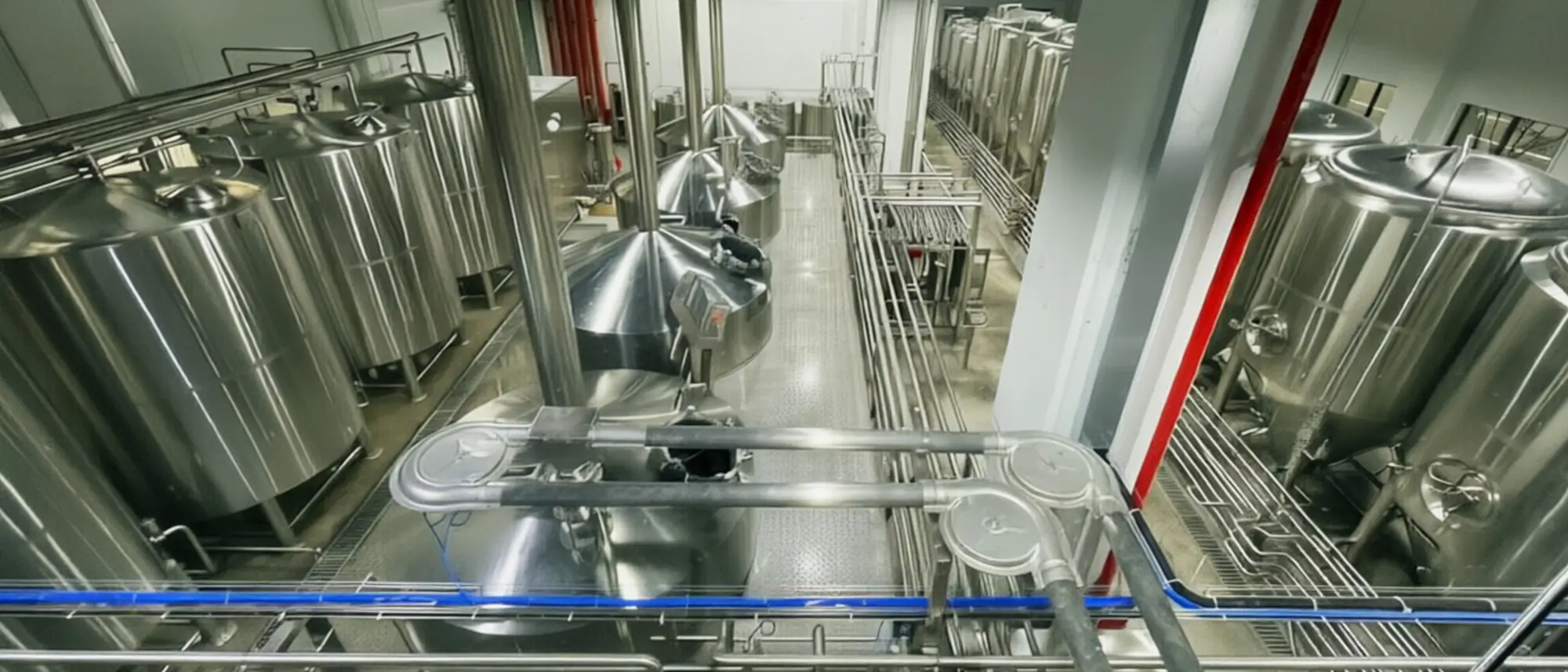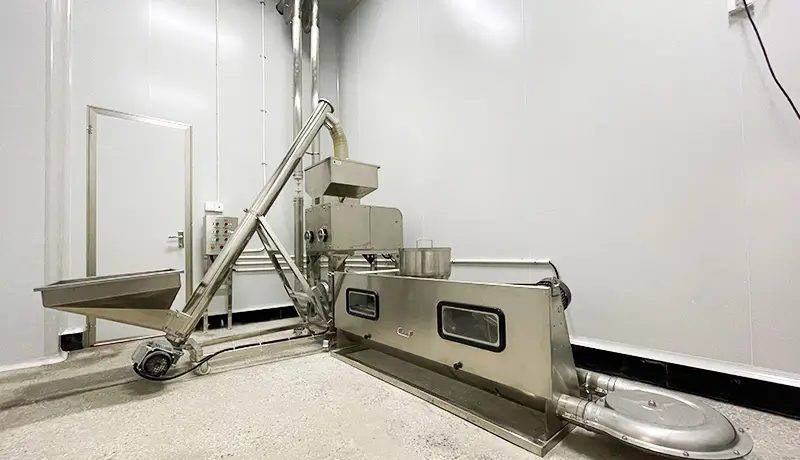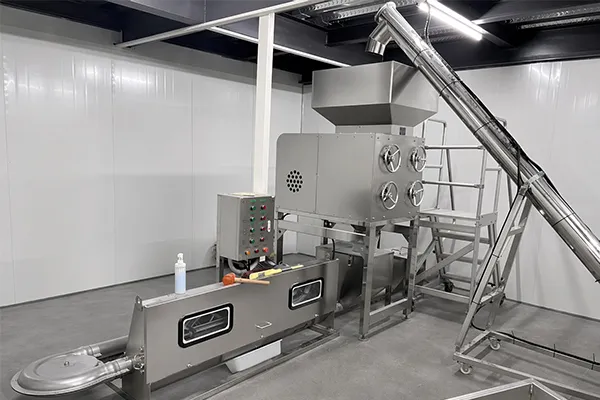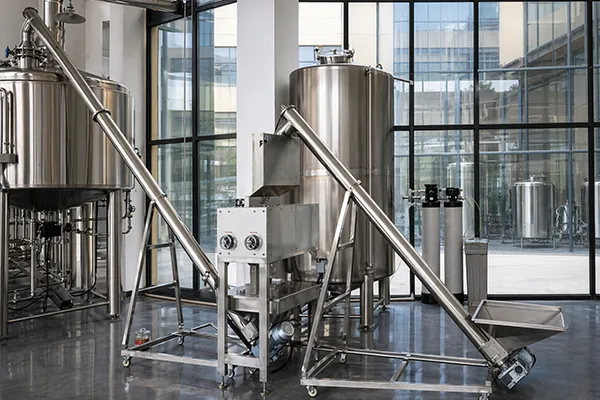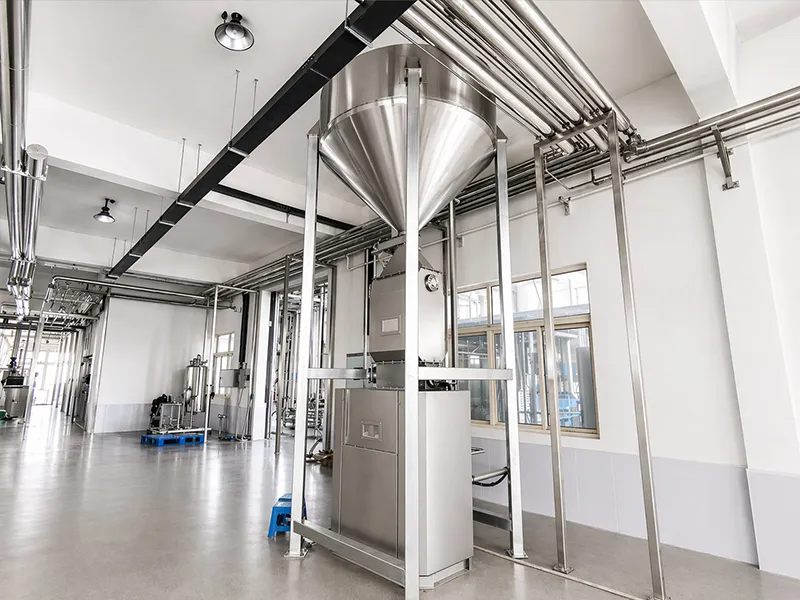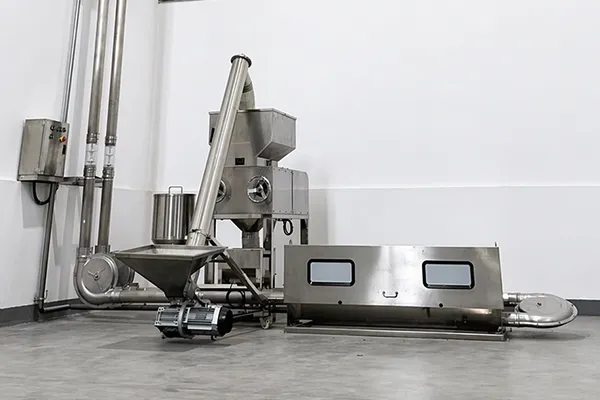



METO designs and manufactures malt milling and raw material handling systems for breweries, distilleries, kombucha production, and fermentation projects. The system is used before mashing to complete malt intake, crushing, conveying, hydration, dust collection, and accurate transfer to the brewhouse.
According to different brewery layouts and process requirements, METO can provide dry milling systems, wet milling systems, tube chain conveyors, screw conveyors, flexible conveyors, malt crushers, grist hydrators, pulse dust collectors, and raw material storage silos.
From malt storage to milling and transfer, METO provides a complete raw material handling solution that can be connected with your brewhouse system. Each module can operate independently or as part of a semi-automatic or customized brewing production line.
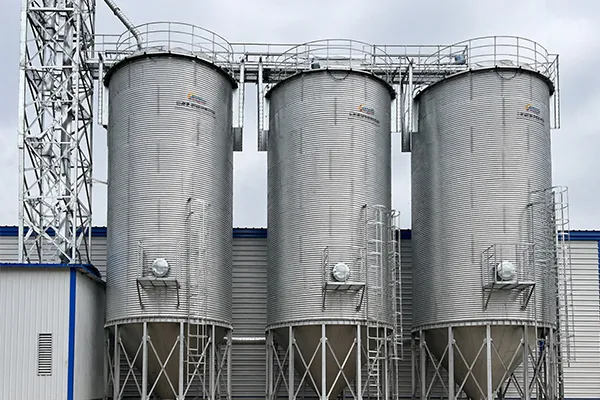
Bulk bags, storage silos, or hopper-based malt intake solutions configured for brewery capacity and factory layout.
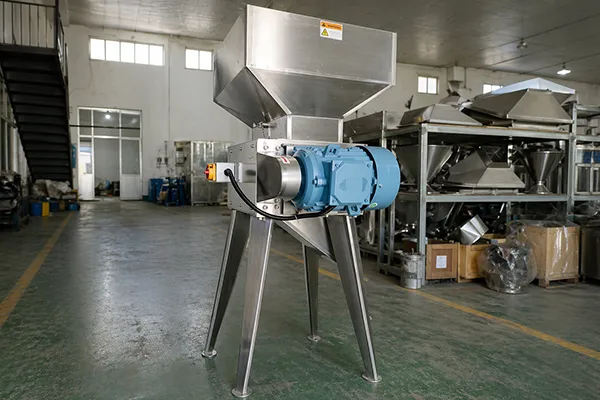
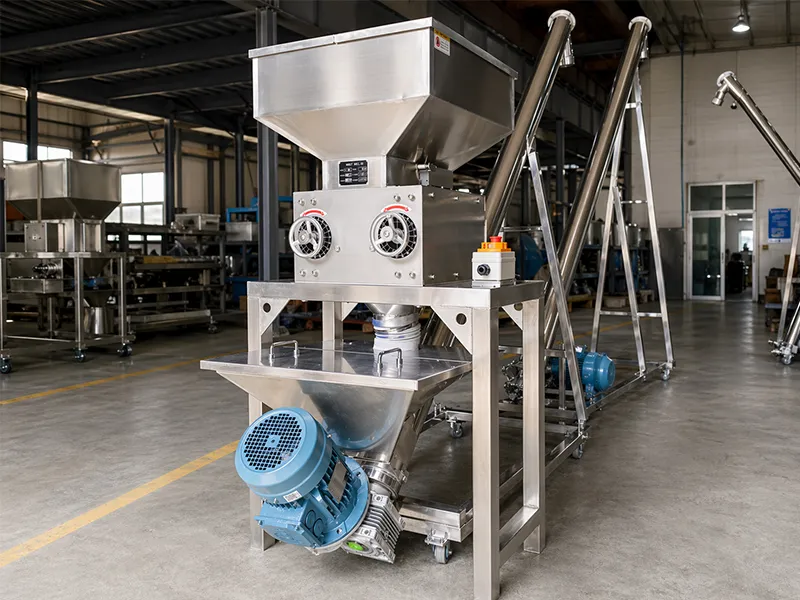
Roller malt mills or customized crushing systems prepare suitable malt particle size for efficient extraction and lautering.
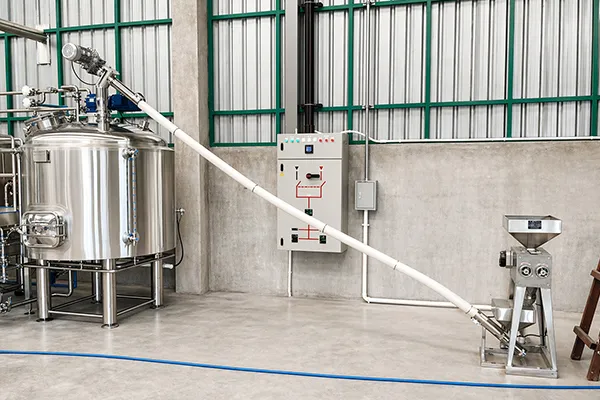
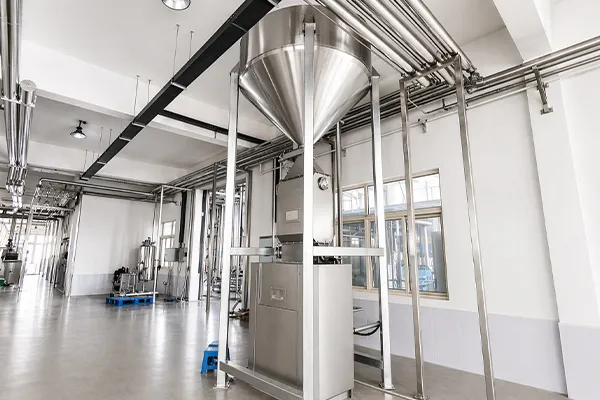
Tube chain conveyors, screw conveyors, and flexible conveyors transfer malt or grist smoothly between process sections.
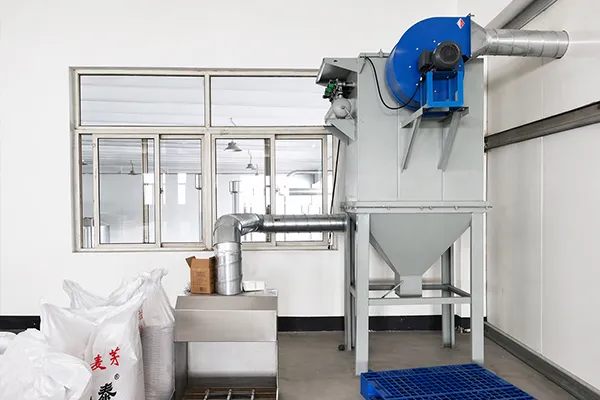
Pulse dust collectors and sealed conveying structures reduce dust leakage and improve workshop cleanliness.
METO provides complete raw material handling equipment for brewery projects, including malt crushing, conveying, wet milling, dry milling, grist hydration, dust collection, and malt storage. Each product module can be used independently or integrated into a complete brewhouse raw material preparation system.
Closed conveying system for malt and grist transfer with low dust leakage and flexible routing.
Practical conveyor for short-distance or inclined transfer between malt mill, grist bin, and brewhouse.
Flexible material transfer solution for breweries with limited space or customized equipment layout.
Used to crush malt into suitable particle size for stable mashing, extraction, and lautering performance.
Pre-wets malt before crushing to help protect husk integrity and improve lautering performance.
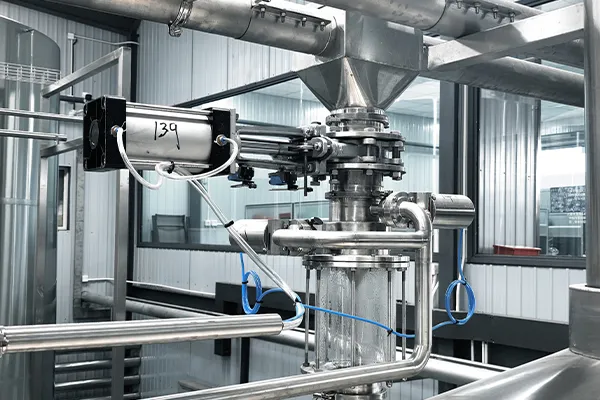
Mixes crushed malt with water before mash-in to improve hydration uniformity and mashing efficiency.
Collects dust generated during malt crushing and conveying to keep the brewery workshop cleaner.
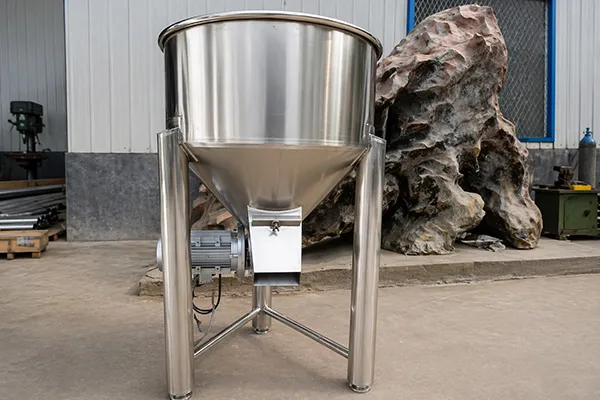
Bulk malt storage solution for breweries requiring continuous feeding and larger raw material capacity.
Core wet milling equipment for larger brewing systems requiring efficient mash-in and better husk protection.
The dry milling system is widely used in craft breweries and commercial breweries. It crushes dry malt through roller milling equipment and transfers the grist to the mash tun through screw conveyor, tube chain conveyor, or flexible conveyor.
The wet milling system is designed for breweries requiring higher mash-in efficiency, better husk protection, and smoother lautering performance. It supports stable mash-in and efficient wort production for larger brewhouse systems.
Our raw material processing systems are designed to deliver consistent malt preparation before mashing. By combining reliable milling equipment, controlled conveying, grist hydration, and dust collection, METO helps breweries achieve stable brewhouse performance and repeatable beer quality.
Adjustable roller gap design allows operators to control malt particle size according to malt type, beer style, and brewhouse process.
Optimized milling and optional malt conditioning help reduce husk damage, supporting smoother lautering and better wort clarity.
Stable milling structure helps produce more uniform grist, improving mash conversion and process repeatability.
Engineered for reliability and scale, these specifications outline the core technologies that ensure stable fermentation, consistent quality, and seamless system integration.
| Item | Specification |
|---|---|
| System Type | Dry milling system / Wet milling system |
| Main Equipment | Malt mill, conveyor, grist hydrator, dust collector, storage silo |
| Conveying Options | Tube chain conveyor, screw conveyor, flexible conveyor |
| Milling Type | Roller milling / wet milling optional |
| Malt Intake | Manual feeding, hopper feeding, silo feeding optional |
| Dust Control | Pulse dust collector or sealed conveying design |
| Control Method | Manual, semi-automatic, or customized control |
| Integration | Compatible with mash tun, grist hydrator, brewhouse, and automation system |
| Application | Craft brewery, microbrewery, commercial brewery, distillery, fermentation plant |
Our malt milling and raw material handling system is designed to connect smoothly with your brewhouse. From malt storage and crushing to grist transfer and mash-in, each section can be matched with your brewhouse capacity, vessel layout, working platform, and automation requirements.
All raw material handling equipment is manufactured with practical structure design, stable mechanical components, and brewery-oriented process layout. The system is built for continuous operation, convenient maintenance, and safe daily use.
According to your project requirements, we can customize equipment size, conveying distance, motor configuration, feeding height, discharge direction, dust collection method, and control logic.
This FAQ section addresses common engineering and procurement questions to help breweries evaluate system performance, integration, and customization options with confidence.
A 2-roller mill is suitable for most craft breweries and standard infusion mashing. A 4-roller mill provides improved control over husk integrity and grist distribution, making it ideal for larger brewhouses or systems with lauter tuns and mash filters.
Yes. Roller gap settings, drive speed, and optional malt conditioning can be adjusted to accommodate different malt varieties, adjunct levels, and brewing recipes.
Proper milling directly impacts extract efficiency, mash conversion, and lautering stability. Consistent crush quality helps reduce stuck mashes and improves overall brewhouse efficiency.
Yes. Our systems feature sealed housings and integrated dust extraction ports to minimize airborne dust and improve operator safety.
Absolutely. Our malt milling systems are designed for seamless integration with mash tuns, hydrators, conveyors, and automated brewhouse control systems.
Yes. Optional malt conditioning systems are available to improve husk flexibility, reduce flour generation, and lower dust levels—especially beneficial for high-adjunct brewing.
Capacity is scalable and matched to brewhouse size, from small craft systems to large commercial brewing operations.
Key components are manufactured from industrial-grade steel with hardened rollers for durability and long service life.
To prepare an accurate proposal, we typically need:
Brewhouse size and mash method
Target milling capacity
Malt types and usage volume
Integration requirements with existing equipment
end us your brewhouse capacity, factory layout, conveying distance, malt handling method, and automation requirements. METO will provide a suitable technical proposal for your brewing project.