



Case
Peiping Machine Brewing
Location:Beijing, China Project Detail: Peiping Machine Brewing , located in Beijing, China, is a craft beer brand dedicated to delivering premium flavors through traditional
METO’s 2000L commercial brewery equipment is a 20HL turnkey production system for regional craft breweries, contract brewing and multi-channel distribution. The final scope can combine a multi-vessel brewhouse, matched fermentation and bright beer cellar, glycol cooling, CIP, automation and packaging interfaces. Every project is sized from the confirmed brewing schedule, tank residence time and package mix.
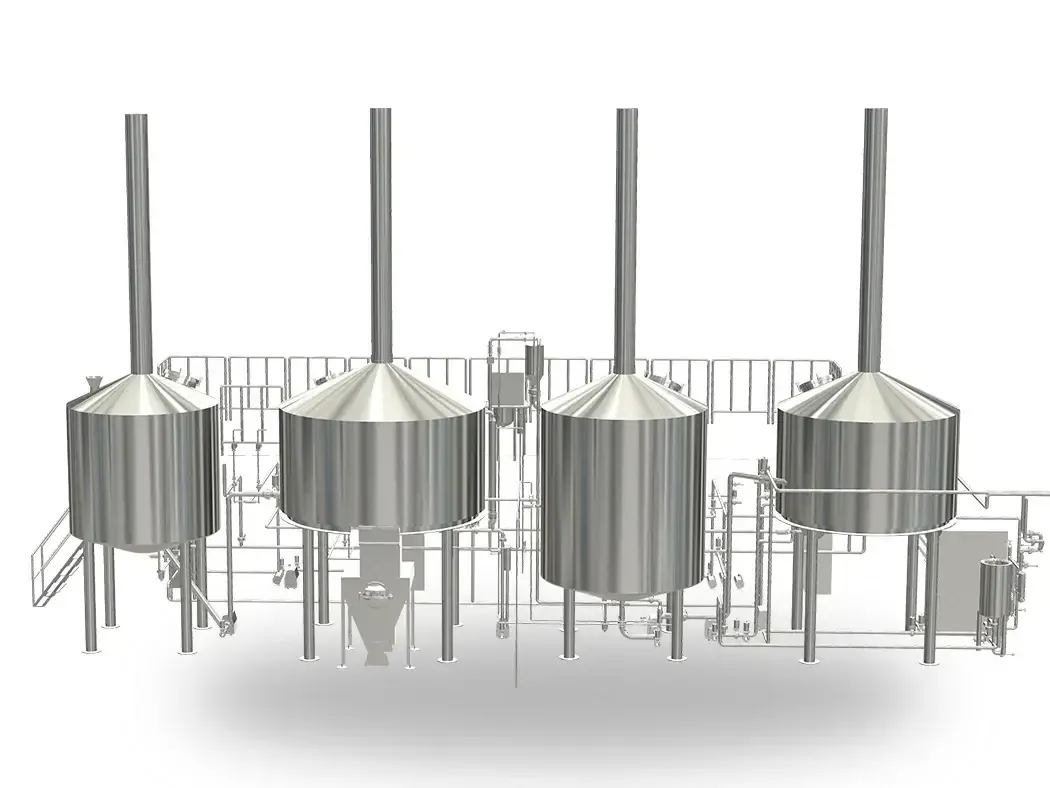
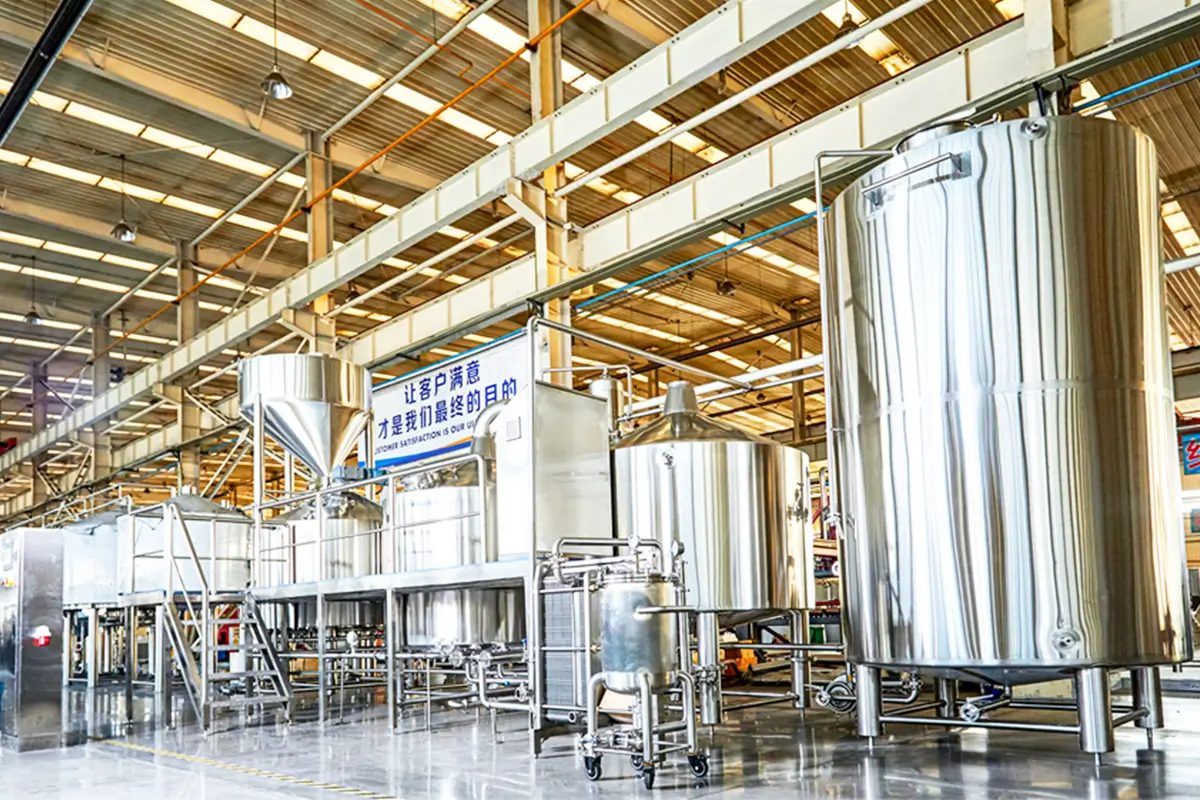
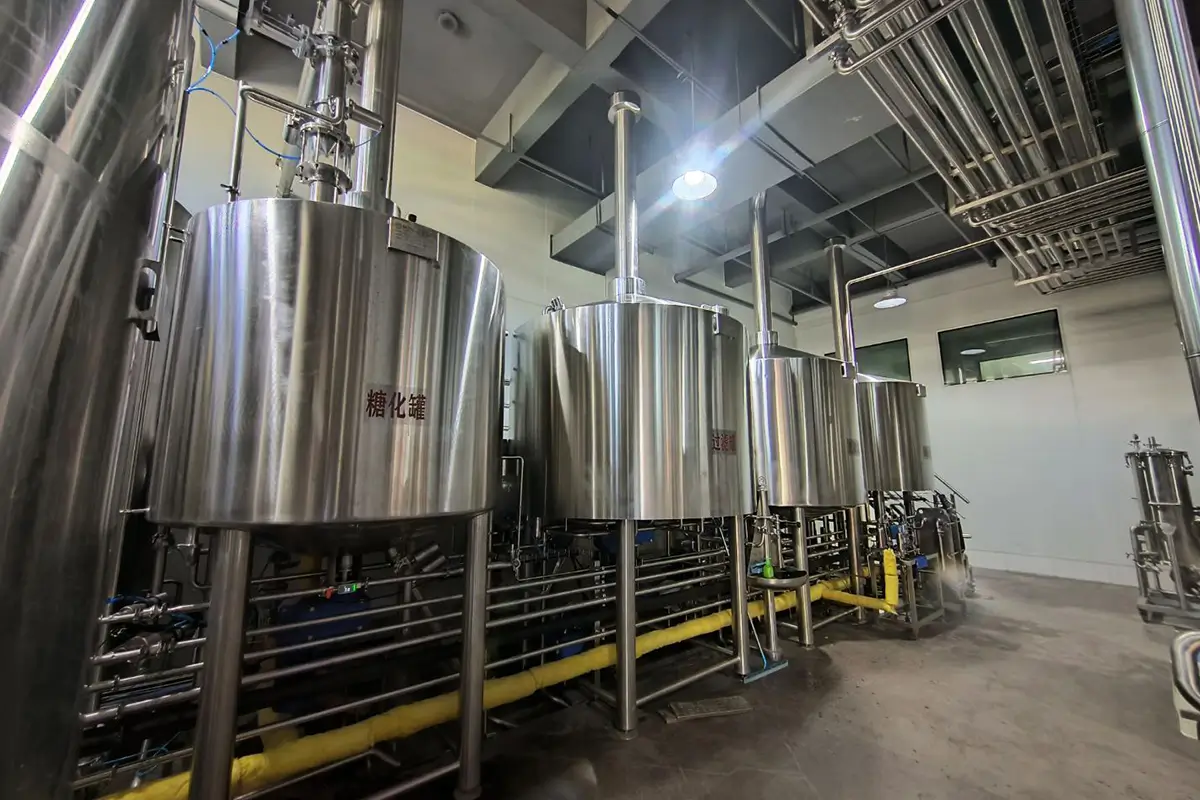
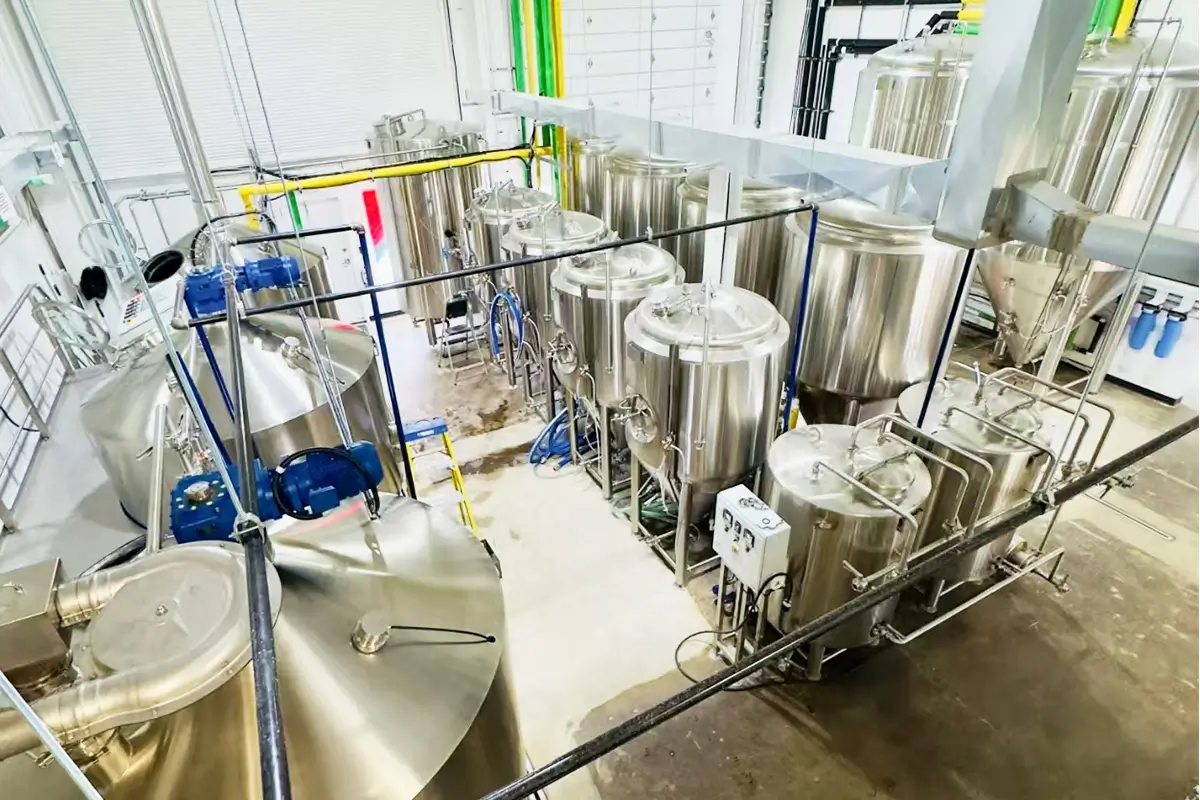
The key design parameters and utilities below define capacity, brewing rhythm and integration requirements for a 20HL commercial brewery system. Final vessel arrangement, tank quantities and utility capacities are confirmed in the approved process diagram and BOM.
| Category | Specification |
|---|---|
| Brew Size (Cold Wort) | 20 hl (2000L) |
| Brews per Day | 6–8 batches |
| Original Gravity (Design) | 12° Plato |
| Malt Charge | 500 kg |
| Heating Rate (Mash) | 1.0–1.5 °C/min |
| Boiling Time | 60 min |
| Evaporation | 6–8% |
| Wort Cooling Time | 30 min |
| Automation Level | Automatic |
| Utilities | 380V 50HZ (customized) • Cold water 2–4°C • Glycol -5°C • Steam demand 0.5 t/h |
| Bottle Packaging | 2000 BPH (330ml/500ml) • Filling 0–4°C • PU 10–25 • O₂ pickup ≤ 0.03ppm |
We can provide layout suggestions, utilities lists, and integration notes to reduce on-site commissioning time.
This 2000L brewery equipment package is designed as a complete, scalable production line — minimizing vendor coordination and speeding up commissioning.
Malt Milling & Handling -> 20HL Multi-Vessel Brewhouse -> Fermentation Tanks -> Bright Beer Tanks -> Glycol Cooling -> CIP Cleaning -> Pipeline Gallery -> Packaging Integration
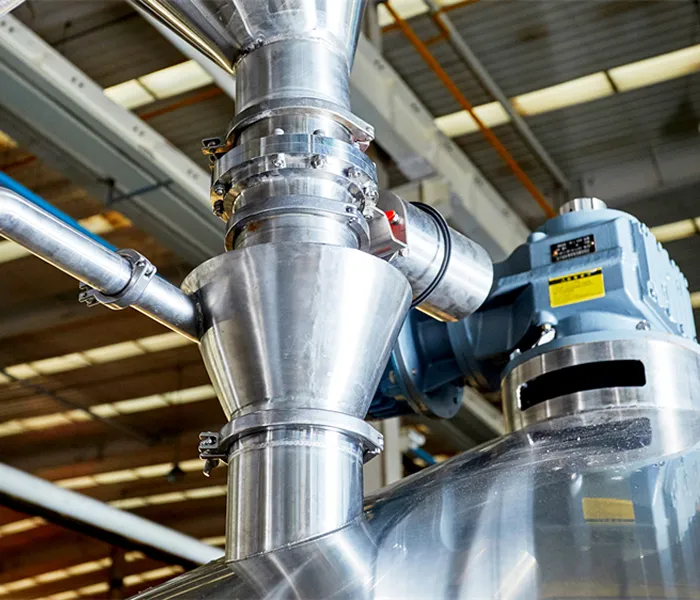
The 20HL brewhouse includes the process vessels, pumps, heat exchange, oxygenation, platform and material handling required by the approved process design. Fermentation, service water, glycol, CIP, automation and packaging quantities are finalized from the production schedule and approved BOM.
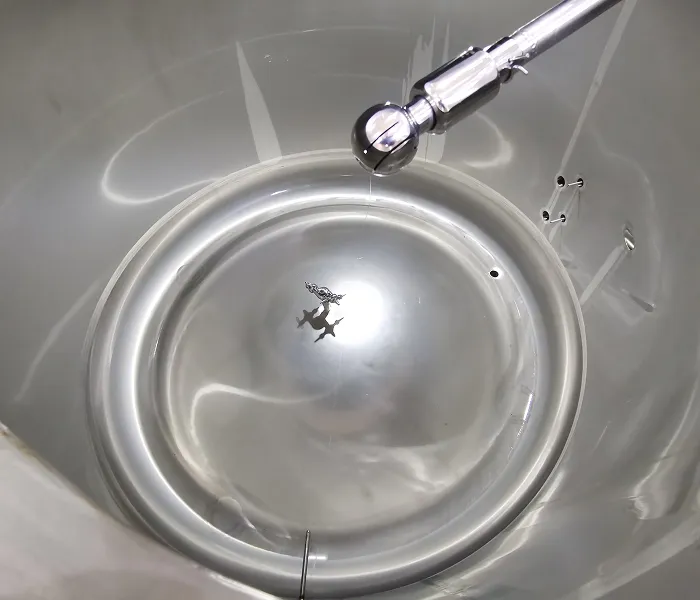
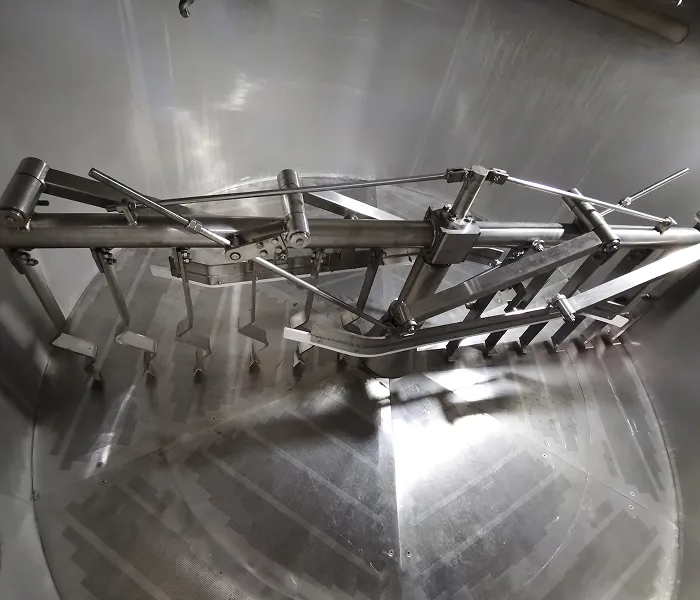
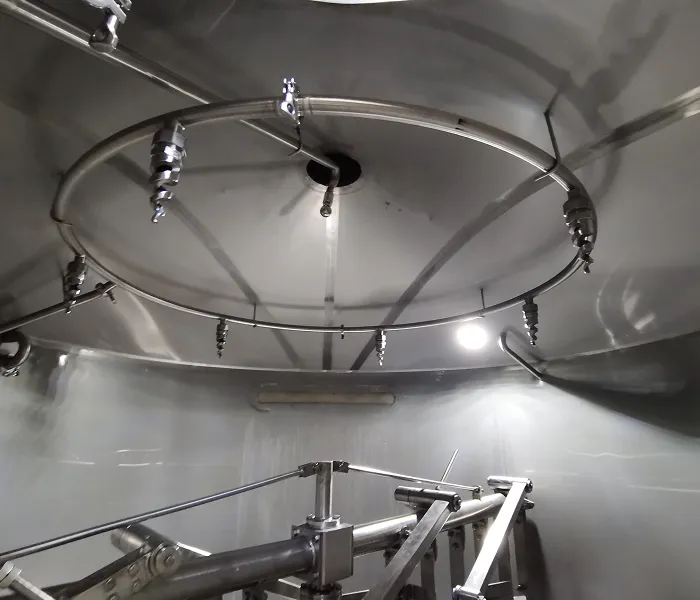
Built for stable high-throughput brewing, with engineered heating, stirring, lautering, and whirlpool performance to support 6–8 batches/day.
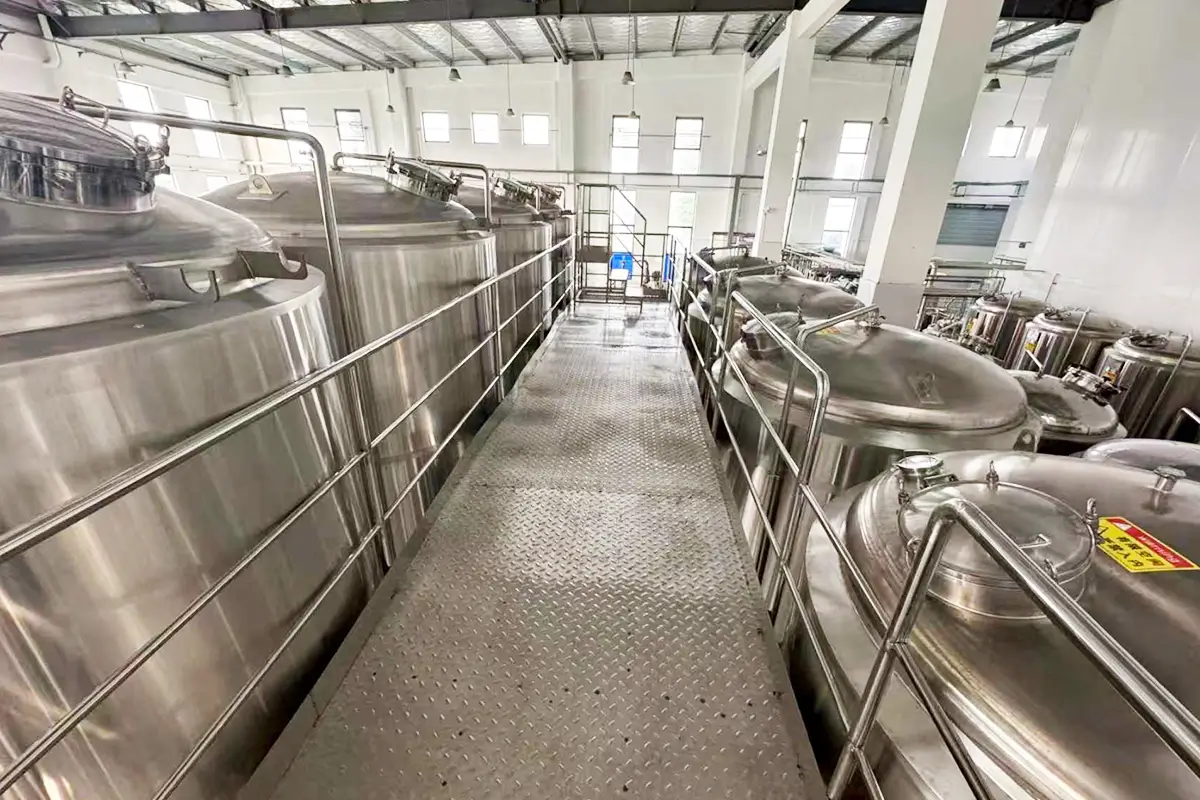
Conical fermentation tanks built for process consistency: precise temperature control, sanitary construction, validated pressure/leak testing, and clean-in-place coverage.
Stable utilities keep 20HL production predictable. Service water, glycol storage, chiller duty and circulation pumps are sized from the verified brewing schedule, cellar load and local ambient conditions.
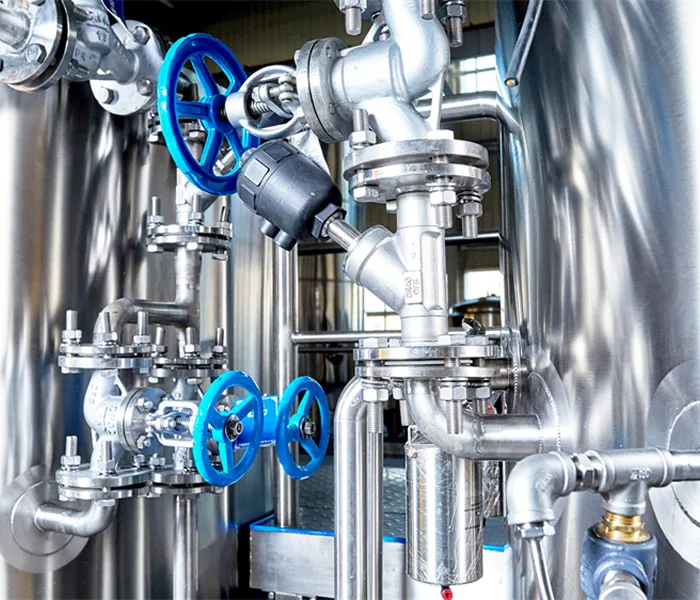
A dedicated CIP station improves product safety and shortens downtime between batches. This configuration supports alkaline, acid, sterile water, and hot water cycles with sanitary pumps and pneumatic valve routing.
Control systems act as the “brain” of your production line — coordinating recipes, temperatures, pump logic, safety interlocks, and cleaning cycles to reduce labor dependency and keep output predictable.
A complete beer bottle line designed for low oxygen pickup, stable filling at 0–4°C, and PU-controlled tunnel pasteurization. Suitable for modern craft breweries aiming at consistent packaged beer quality.
Explore other brewery equipment models by capacity to match different production goals and future expansion plans.
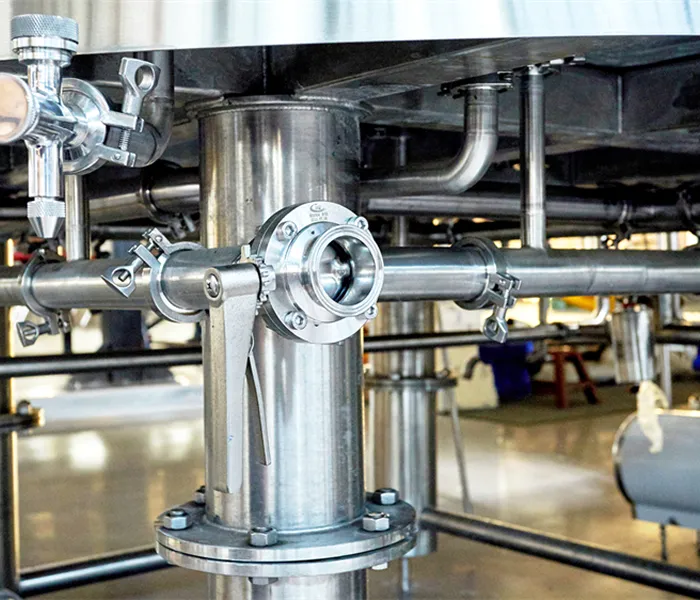
Relevant tanks and pressure-bearing components are manufactured in food-grade SS304 or SS316 as specified, with sanitary TIG welding, controlled surface finishing, and documented inspection records. All applicable equipment undergoes documented 48-hour water and pressure testing before shipment. CE, UL, and CSA compliance documentation is available for the applicable equipment scope and destination-market requirements. METO also provides layout, utilities, commissioning guidance and long-term expansion support.
Configuration based on brewing workflows, not generic tank lists.
Layouts, utilities lists, and integration notes for your site.
Better cost control, faster response, clearer accountability.
Training, spare parts guidance, and expansion planning support.
Malt Handling → milling & transfer preparation
Brewhouse → mash/lautering + boil/whirlpool
Cooling & Transfer → heat exchange to fermentation temp
Fermentation → jacketed conical fermenters for stability
Conditioning (Optional) → BBT / maturation
CIP → clean-in-place hygiene standardization
Packaging (Future-ready) → keg/bottle/can integration
Choose 20HL when regional production, contract brewing or multi-channel distribution requires coordinated brewhouse, cellar, utilities and packaging capacity.
Do not use one fixed annual output for every 20HL project. Calculate planned sellable volume from batch size x brews per day x operating days x yield, then verify that fermentation, conditioning, cooling and packaging can support that schedule. The page now uses one capacity definition; final equipment quantities remain subject to the approved BOM.
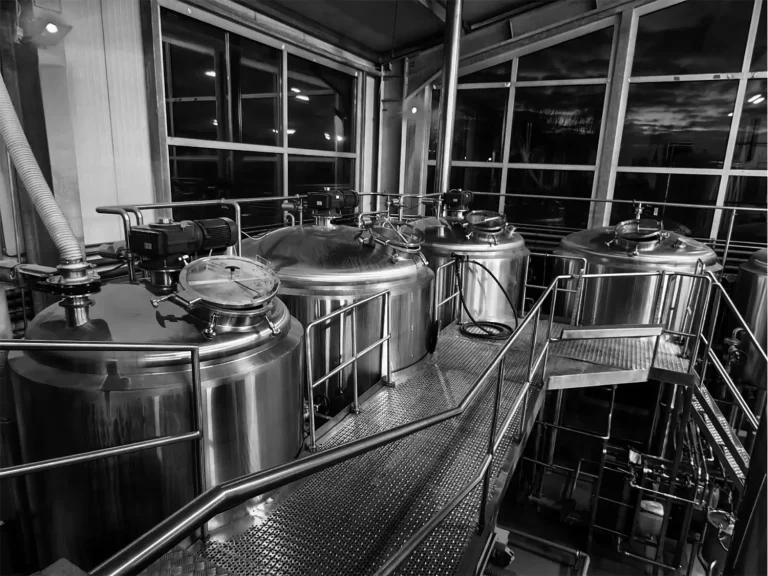
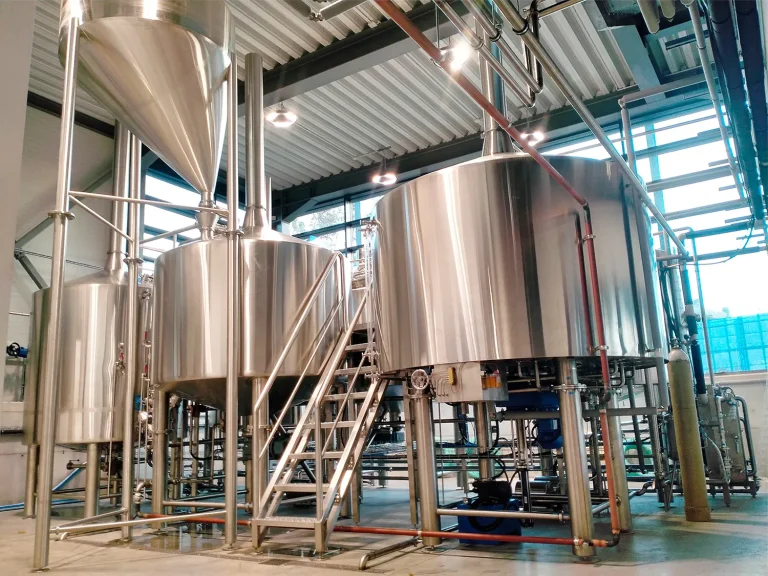
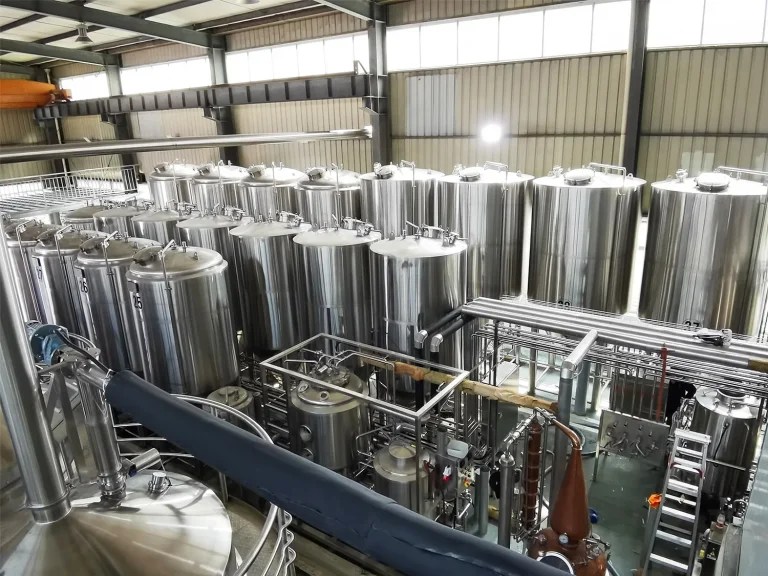
VandeStreek Bier operates a verified 3500L METO brewhouse and Peiping Machine Brewing operates a verified 5000L solution. These are larger adjacent-capacity commercial references, not 2000L installations.
Location:Beijing, China Project Detail: Peiping Machine Brewing , located in Beijing, China, is a craft beer brand dedicated to delivering premium flavors through traditional
Location:The Netherlands Project Detail: Shandong Meto has earned a strong reputation and great relationship with clients in the European market, with the Netherlands being the
Answers for engineering and procurement teams evaluating a 2000L brewery equipment project.
Annual output depends on brews per day, operating days, sellable yield, fermentation time and available cellar volume. METO provides a project-specific production model instead of using the same annual range for every system size.
The final proposal states whether the system uses four main process vessels plus a pre-run tank or another verified arrangement. The approved process diagram and BOM remain the source of truth.
The cellar is calculated from batch size, brews per day, fermentation and conditioning time, SKU mix and packaging schedule. Single- and double-batch tanks can be combined when the production calendar supports that approach.
Steam heating is normally preferred for commercial multi-brew operation. The boiler and steam distribution are sized from the verified heating area, target cycle time and local fuel availability.
Confirm power, steam, brewing water, water treatment, glycol conditions, compressed air where required, drainage, ventilation, site access and the available factory layout.
Yes. The design can reserve cellar space, glycol headers, control capacity, process piping and packaging connections for future expansion.
Manual, semi-automatic and fully automatic options are available. Final functions can include recipe control, flow and level monitoring, valve interlocks, alarms, data history and automated CIP.
Staffing depends on automation, brews per day, cellar handling and packaging scope. METO reviews the operating workflow instead of promising one staffing number for every project.
Yes. Support can include process review, layout, utilities, equipment manufacturing, documentation, installation guidance, commissioning, training and long-term technical support.
Relevant tanks and pressure-bearing components are manufactured in food-grade SS304 or SS316 as specified, with sanitary TIG welding, controlled surface finishing, and documented inspection records. All applicable equipment undergoes documented 48-hour water and pressure testing before shipment. CE, UL, and CSA compliance documentation is available for the applicable equipment scope and destination-market requirements.
Send your target annual output, original gravity range, brews per day, fermentation schedule, package mix, utilities and building drawings. METO will prepare a 20HL process model, equipment scope, utility calculation and quotation.
Packaging capacity is matched to container size, package mix, available packaging hours and required cellar turnover rather than assigned as one fixed line speed.
Fill in the essentials—our team will respond with a technical proposal.
Tip: Attach layout drawings and utilities list for faster engineering confirmation.
Our team will reply using the contact details you provide. Please check your inbox and spam folder for our response.
*We respect your privacy. All information submitted is strictly confidential.
Your details will only be used to respond to your inquiry. We never send unsolicited emails or promotional messages.