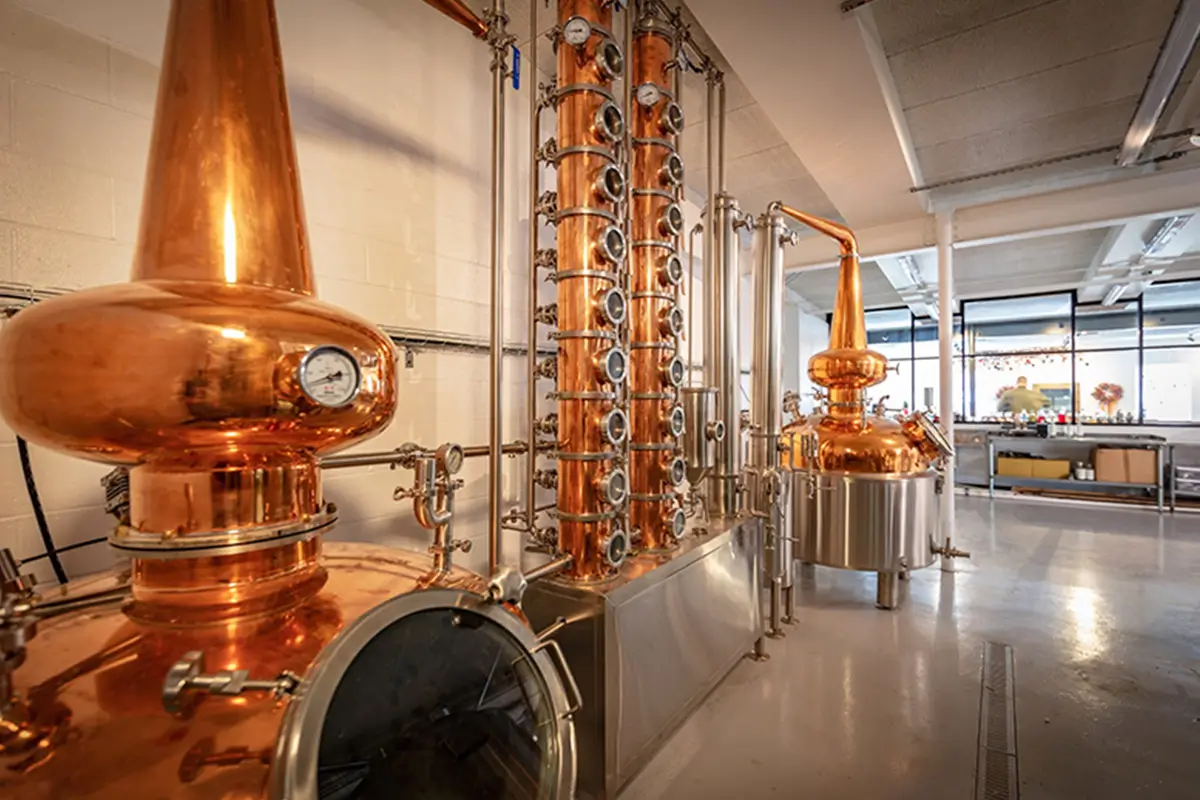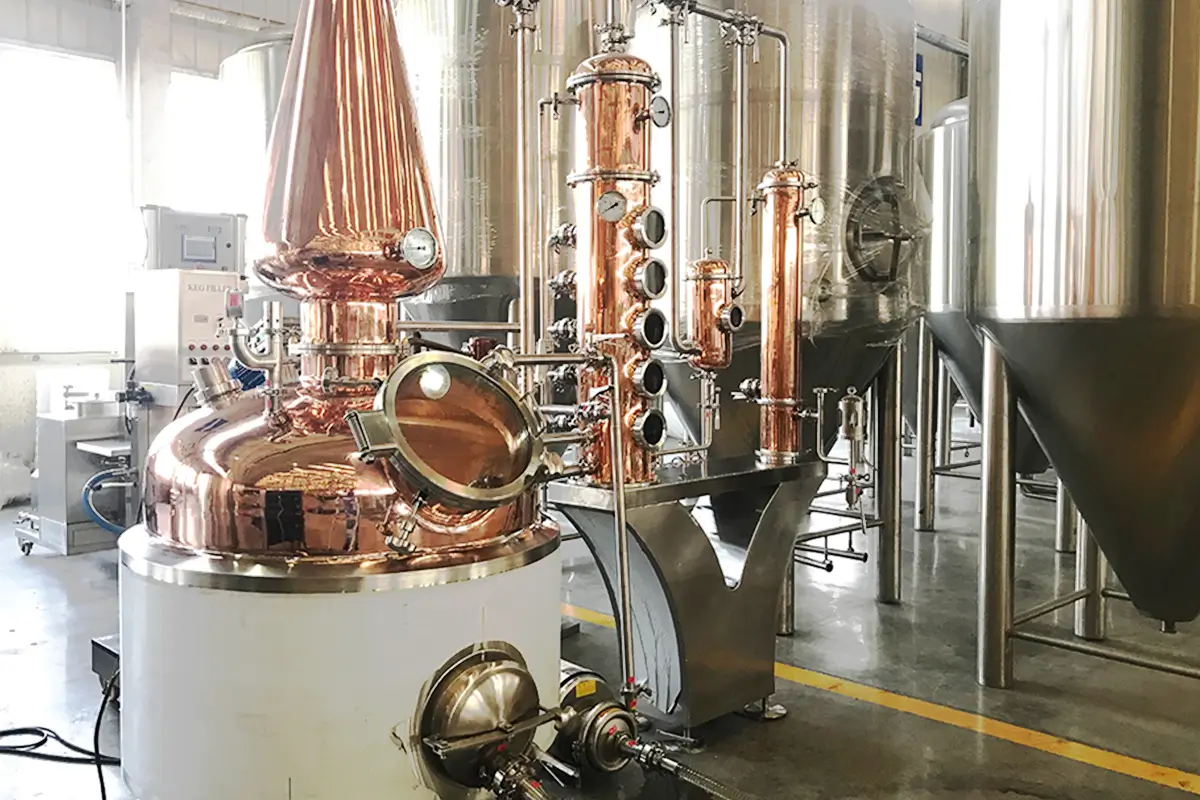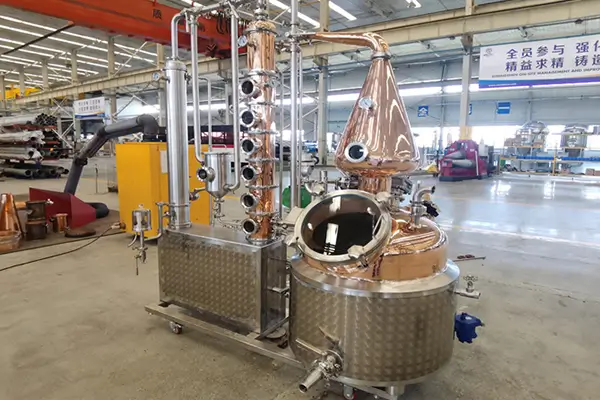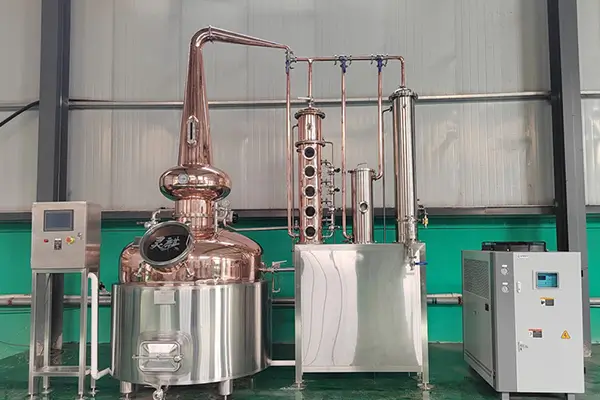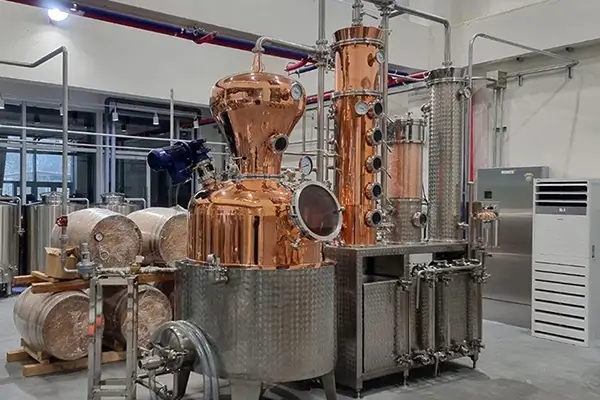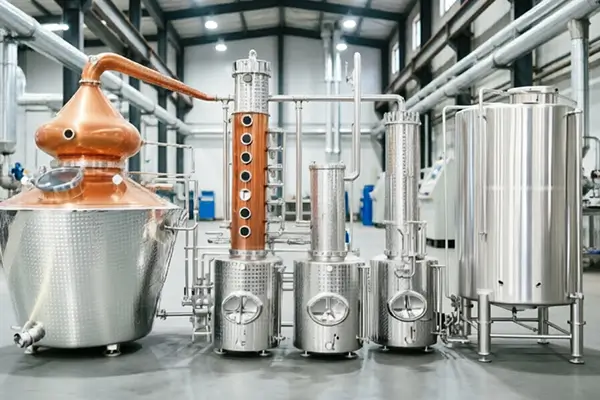



Whiskey distillery equipment for grain preparation, mashing, fermentation, wash distillation, spirit distillation, fraction collection, and pre-maturation handling. Configure the still system around grain recipe, desired new-make character, batch schedule, and available utilities.


Whiskey equipment must connect the grain-side process with controlled wash and spirit runs. Still geometry, copper contact, reflux, condenser behavior, and receiver layout all influence repeatability before the spirit enters maturation.
Control heat input, copper contact, reflux, and collection so the distiller can reproduce the intended aroma, body, and cut profile from batch to batch.
Match pot volume, charge strength, heat-up rate, condenser duty, and receiver arrangement to the planned double-distillation or alternative operating method.
Coordinate milling, mashing, lautering where required, fermentation, wash transfer, and still loading to prevent bottlenecks in the production schedule.
Size production around realistic barrel-fill targets, cut yield, annual operating days, storage strategy, and future still or fermenter expansion.
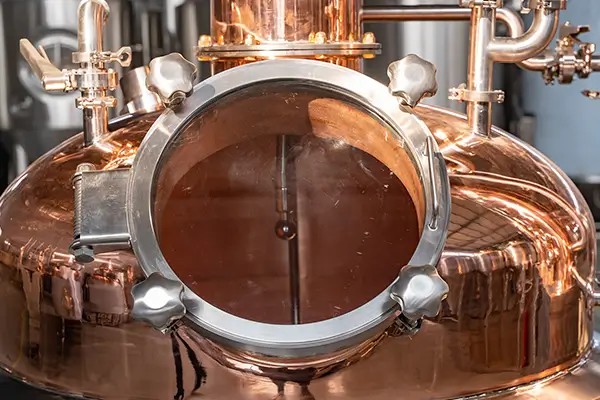
Whiskey distillation requires deliberate separation without stripping away the character created during mashing and fermentation. Pot-still geometry supports spirit weight and reflux behavior, while copper surfaces help manage sulfur compounds in the vapor path. Hybrid options add operational flexibility where a producer needs more control over proof or multiple spirit styles.
Grain-process compatibility: Align the still house with the actual mash and fermentation program.
Cut management: Provide clear, controllable collection paths for heads, hearts, and tails.
Copper contact strategy: Select copper placement according to vapor treatment and maintenance needs.
Maturation-ready handling: Plan receivers and transfer routes for blending, proofing, and barrel filling.
We can provide layout suggestions, utilities lists, and integration notes to reduce on-site commissioning time.
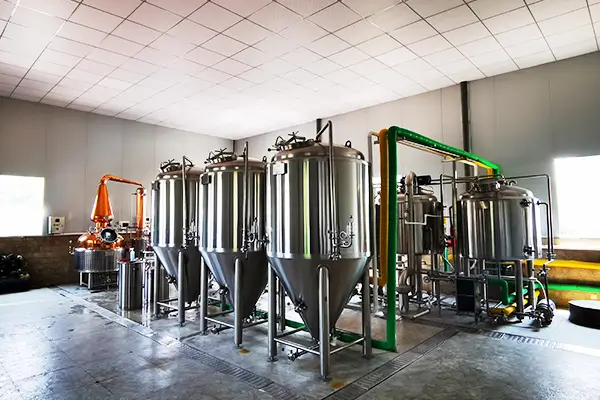
A complete whiskey facility links grain handling, mash conversion, fermentation, wash and spirit distillation, fraction receiving, CIP, and storage. Equipment should be balanced around the intended number of runs per week and the new-make volume required for maturation.
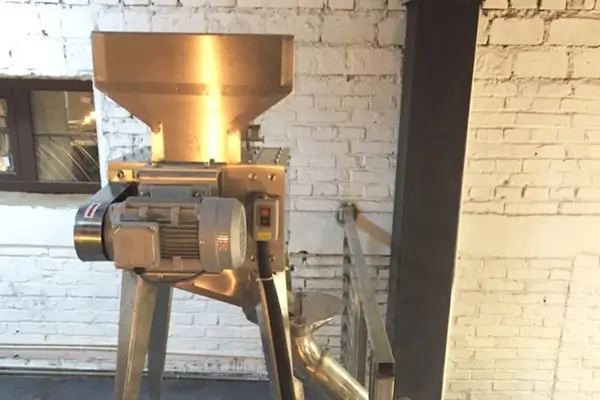
Milling equipment prepares a repeatable grist profile suited to the selected grain bill and mashing method.
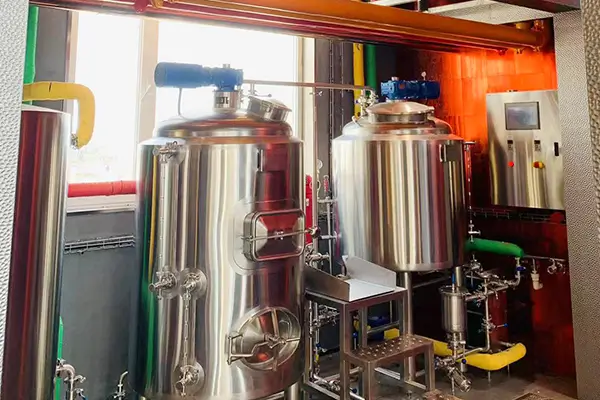
Mash equipment manages temperature steps, agitation, conversion, and transfer according to the distillery’s grain recipe and process choice.
Fermenters are selected around wash volume, fermentation time, yeast program, cleaning cycle, and the flavor contribution expected before distillation.
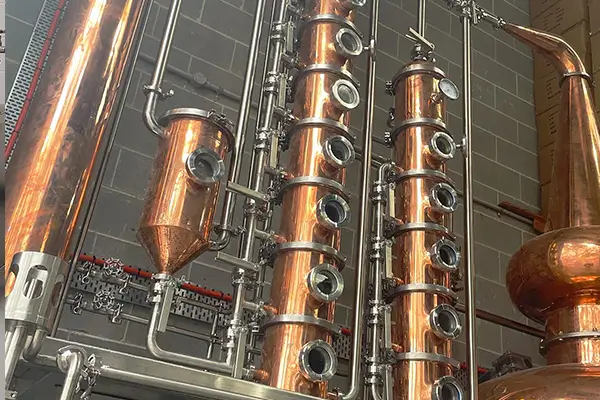
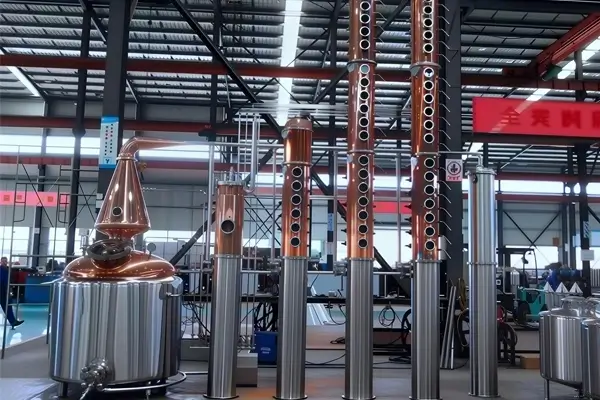
Traditional onion or lantern shape wash and spirit stills for authentic whiskey character and rich copper contact.
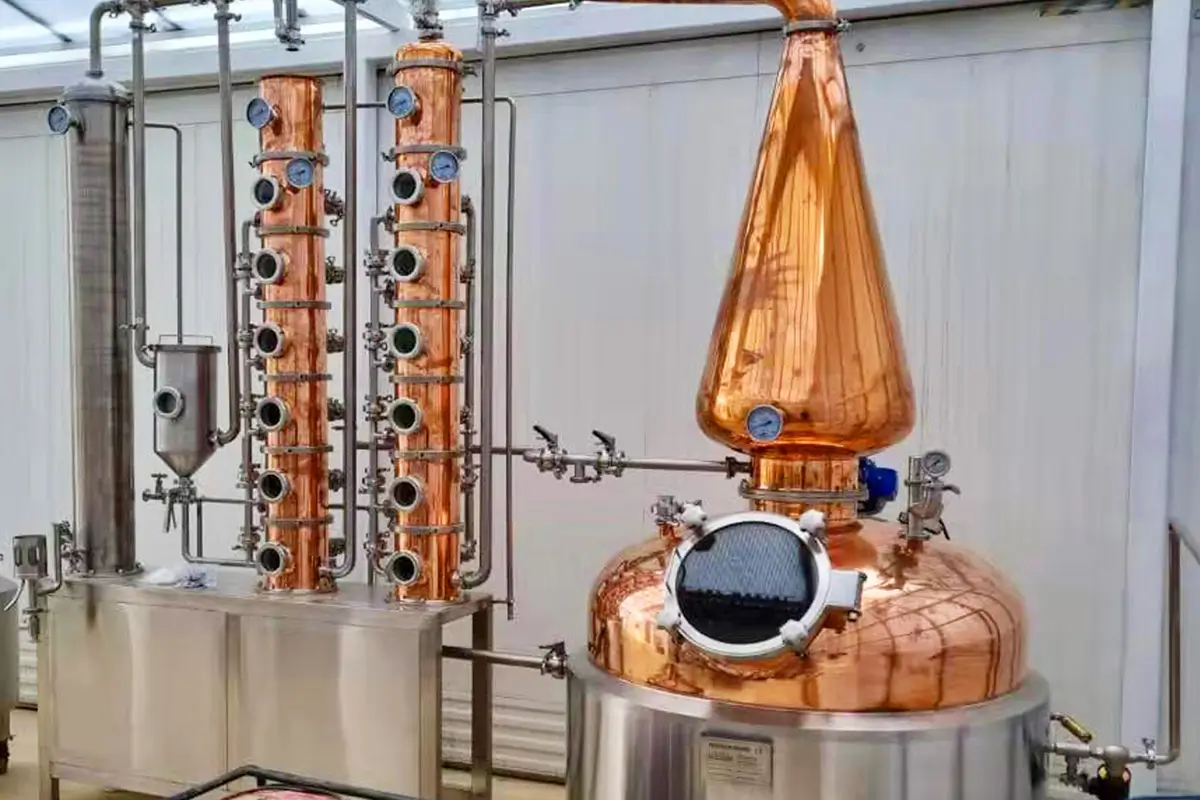
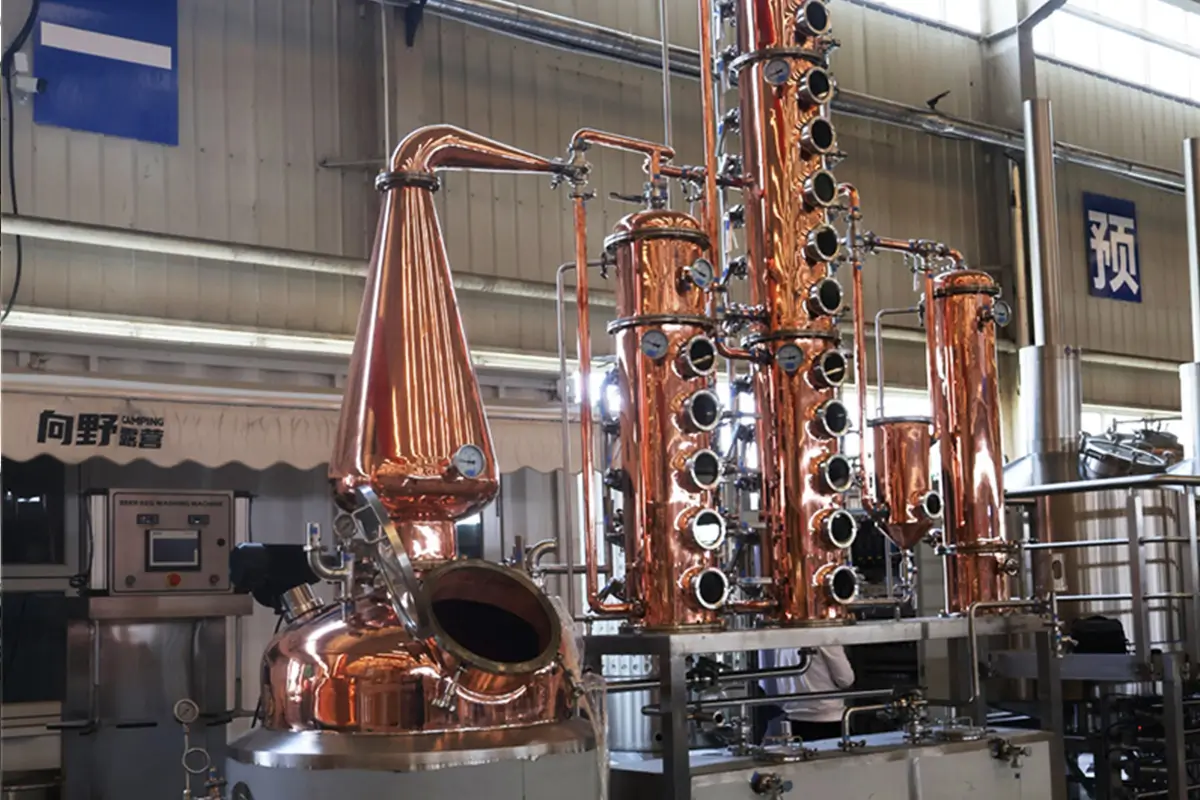
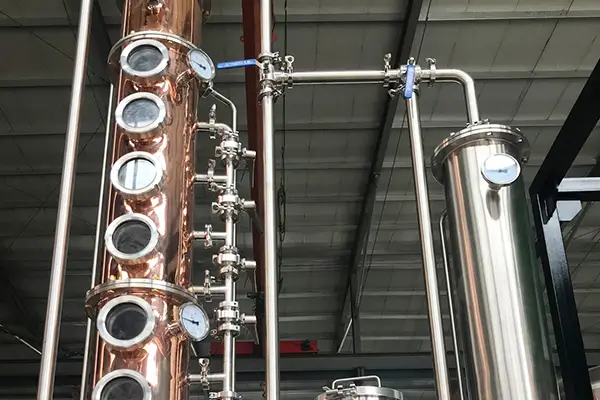
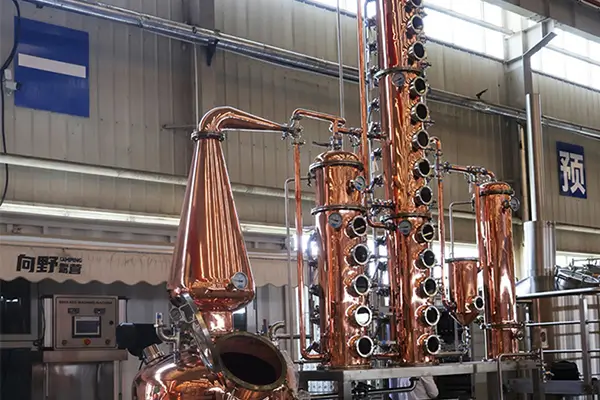
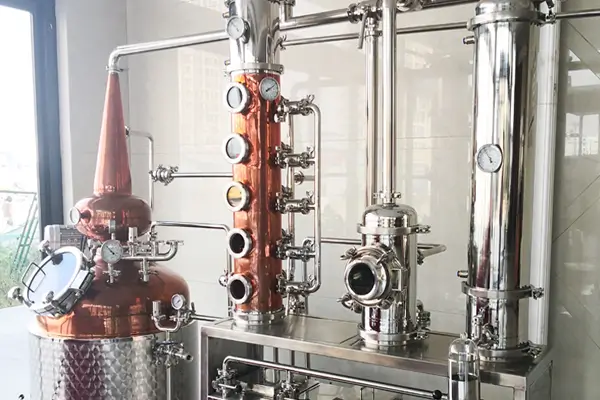
Versatile pot still with side column for higher proof distillation and multiple spirit style development.
Condenser configuration and coolant control influence collection stability, spirit temperature, and the way the still responds during cut transitions.
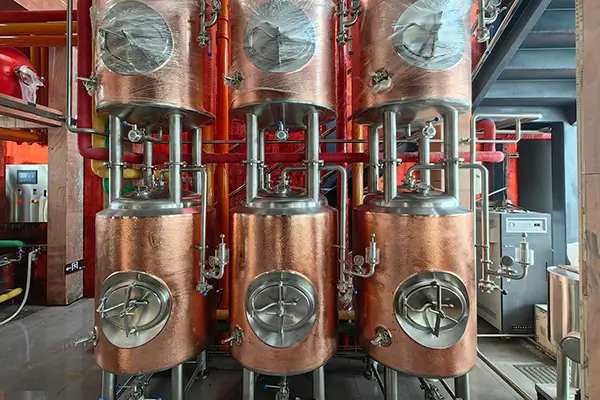
Safe and compliant collection vessels for heads, hearts, and tails management.
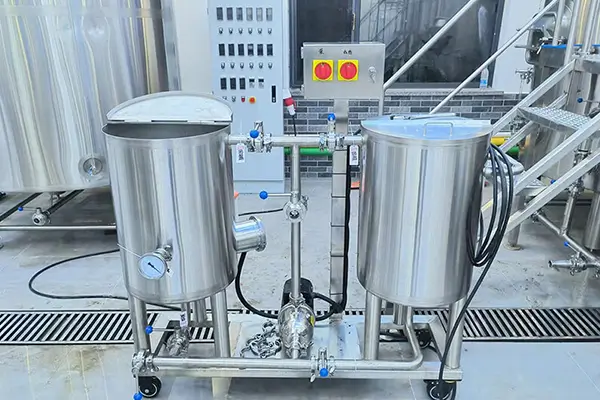
Automated CIP cleaning systems and bulk whiskey storage tanks for hygienic and efficient production.
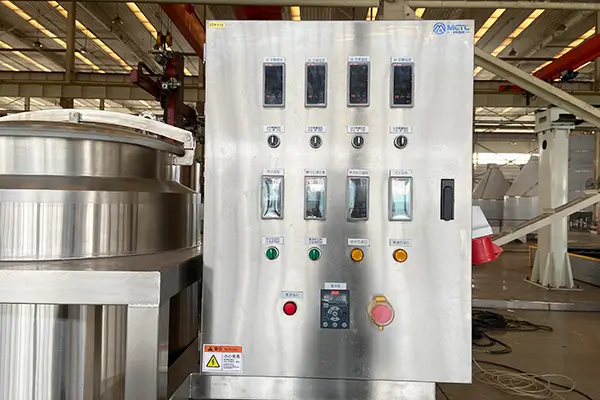
PLC/HMI panels for precise monitoring of temperature, pumps, valves, motors, and process sequences.
Select pot, hybrid, or larger commercial configurations according to spirit style, operating method, target proof, batch frequency, building constraints, and operator preferences.
Classic alembic design featuring a copper pot, swan neck, lyne arm, and condenser. Designed for rich, heavy, and flavorful whiskey spirits.
Combines a traditional pot still with a side bubble cap column. Allows bypassing the column for whiskey or engaging it for higher ABV spirits.
Large-scale, highly automated distillation plants designed for maximum yield, energy recovery, and continuous or semi-continuous operation.
Capacity should be calculated from mash and fermenter volume, wash strength, distillation cycle time, expected heart cut, annual barrel-fill plan, and available maturation storage.
Startup Distilleries
Craft Distilleries
Commercial Distilleries
Industrial Production
The existing specifications below define the equipment ranges. Final selection should be confirmed against grain process, wash volume, operating method, utilities, and target new-make profile.
| Specification | Craft Scale (500L–1000L) | Commercial Scale (2000L–5000L+) |
|---|---|---|
| Still Capacity | 500L, 800L, 1000L | 2000L, 3000L, 5000L+ |
| Primary Material | T2 red copper / SUS304 stainless steel | T2 red copper / SUS304 stainless steel |
| Copper Thickness | 3mm–5mm, varies by part | 5mm–8mm, varies by part |
| Heating Method | Electric, steam, or direct fire | Low pressure steam, jacketed or coil |
| Column Diameter | 200mm–350mm | 400mm–800mm+ |
| Number of Plates | 4–16 bubble cap plates, customizable | Customized based on spirit profile |
| Condenser Type | Shell and tube, stainless or copper | High-capacity shell and tube |
| Voltage | 220V / 380V / 480V, 50/60Hz, 3 phase | 380V / 480V, 50/60Hz, 3 phase |
| Automation Level | Manual or semi-auto PID control | Semi-auto or full PLC/HMI automation |
METO can coordinate the still house with grain handling, mashing, fermentation, receivers, utilities, cleaning, and maturation preparation. The design review focuses on process balance, operator access, maintenance, and future production targets.
Optimizing floor space for equipment, workflow, operation access, maintenance, and safety.
Calculating steam, cooling water, electrical load, drainage, ventilation, and control needs.
Designing initial systems with future capacity upgrades and additional equipment integration in mind.
Our rigorous manufacturing process helps ensure every copper still and tank meets high international quality standards before delivery.
Defining requirements, capacity, spirit profile, and creating 2D/3D CAD drawings.
Client sign-off followed by material cutting, rolling, forming, and welding.
Copper component forming, polishing, system assembly, and process line fitting.
Pressure testing, water testing, electrical panel checks, and factory acceptance review.
Secure packaging, global logistics, and on-site or remote installation guidance.
Why Manufacturers Worldwide ChooseUs
Years Experience
Certified Quality
Full Support
Countries Exported
Engineering and procurement questions for selecting whiskey equipment around grain recipes, wash and spirit runs, cut control, capacity, facility constraints, and utilities.
For most craft and traditional whiskey production, a copper pot still is the preferred choice because it helps preserve the character and complexity of the fermented wash. For grain whiskey or higher-volume production, a column still may be more suitable. A hybrid still is a flexible option for distilleries producing multiple spirit styles. The best choice depends on your whiskey type, production capacity, and desired flavor profile.
Yes. METO can provide a complete whiskey distillery solution, from raw material handling, mashing and fermentation to distillation, condensation, spirit collection, storage, and CIP. Our engineers can customize the equipment configuration, capacity, heating method, automation level, and layout according to your production requirements and available space.
Craft scale systems can use electric, steam, or direct fire heating. Commercial scale systems usually use low pressure steam with jacketed or coil heating structures.
Yes. Copper thickness, pot shape, column diameter, number of plates, condenser size, and automation level can all be customized according to production capacity and spirit profile.
Controls should provide repeatable heat input and process records while leaving the distiller clear authority over heads, hearts, and tails. Automation level should match batch frequency, staffing, and maturation-volume targets.
Please provide target capacity, whiskey style, heating preference, facility layout, voltage, automation level, utility conditions, and whether you need a standalone still or complete turnkey distillery system.
Share your grain bill, mash and fermentation volumes, whiskey style, planned distillation method, annual barrel-fill target, facility layout, heating method, and automation preference for a technical configuration review.
Fill in the essentials—our team will respond with a technical proposal.
Tip: Attach layout drawings and utilities list for faster engineering confirmation.
Our team will reply using the contact details you provide. Please check your inbox and spam folder for our response.
*We respect your privacy. All information submitted is strictly confidential.
Your details will only be used to respond to your inquiry. We never send unsolicited emails or promotional messages.