




Case
Dusty Lizard Brewing
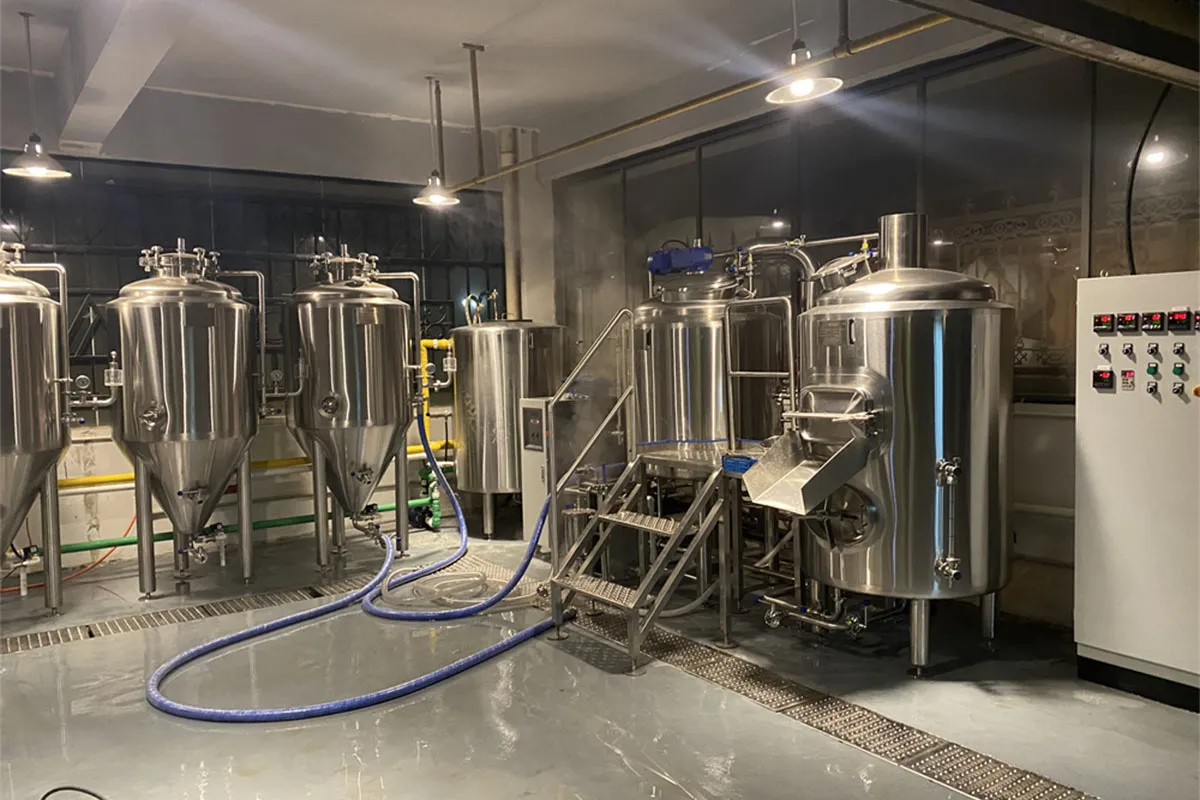
Location: Australia Website:https://www.dustylizardbrewing.com.au/ Project Detail: Dusty Lizard Brewing is a craft brewery and brewpub based in Australia, known for producing flavorful, approachable beers for
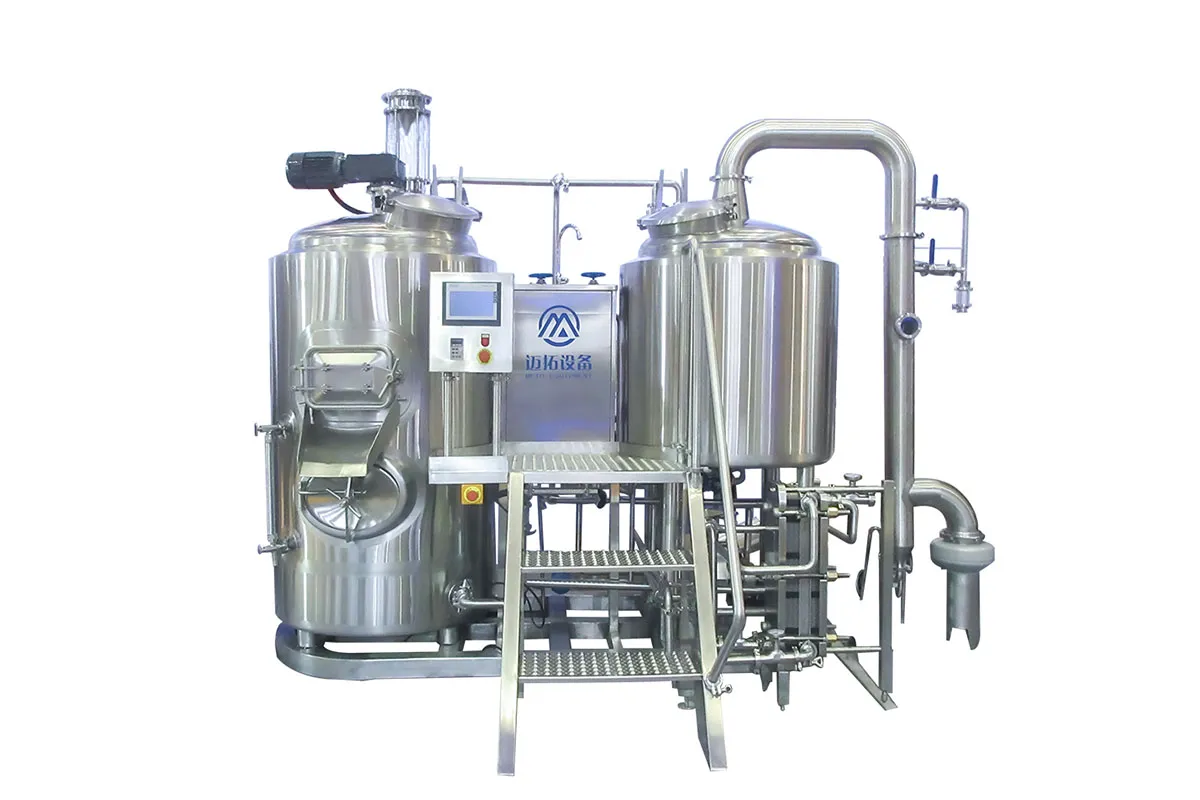
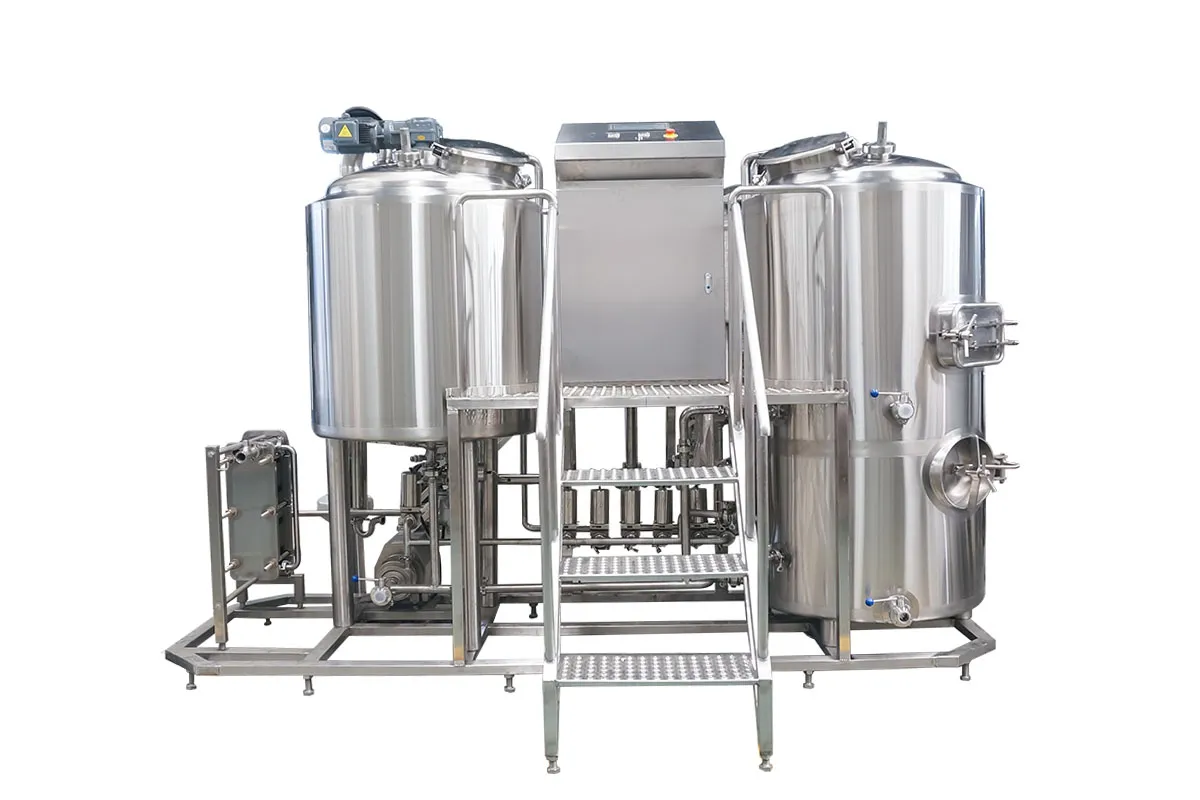
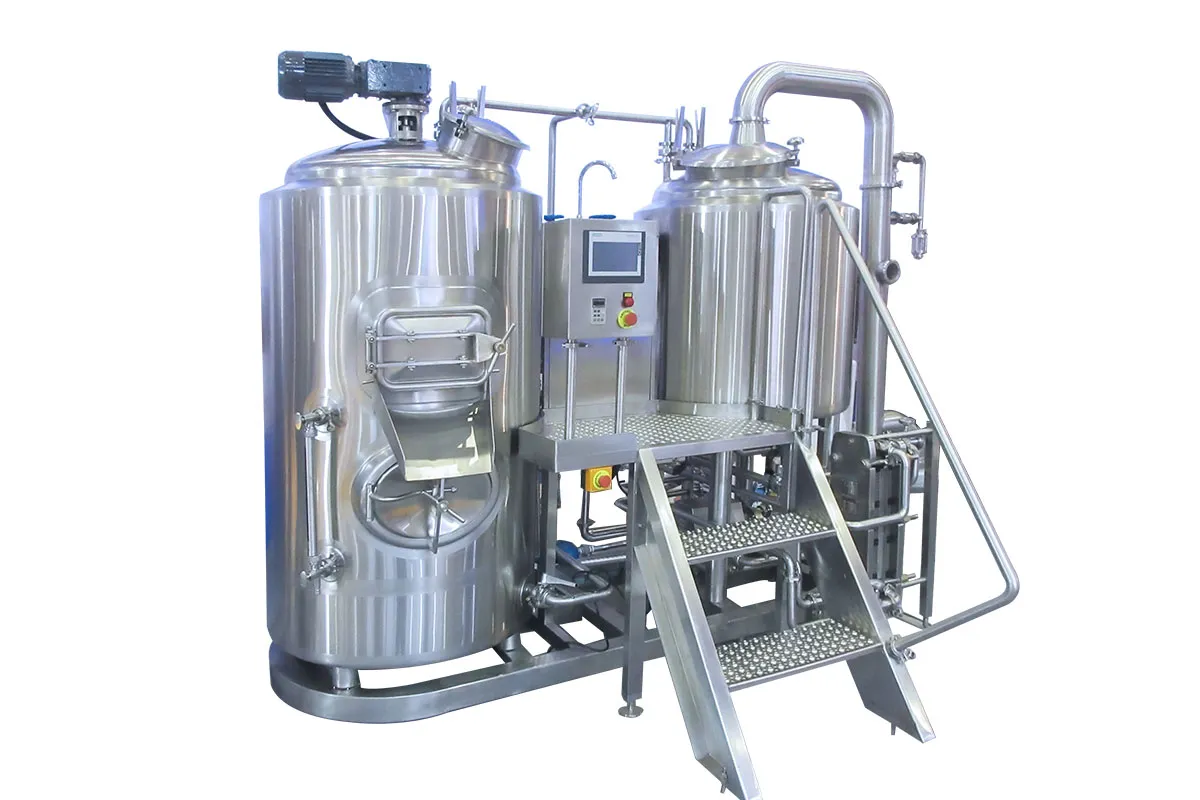
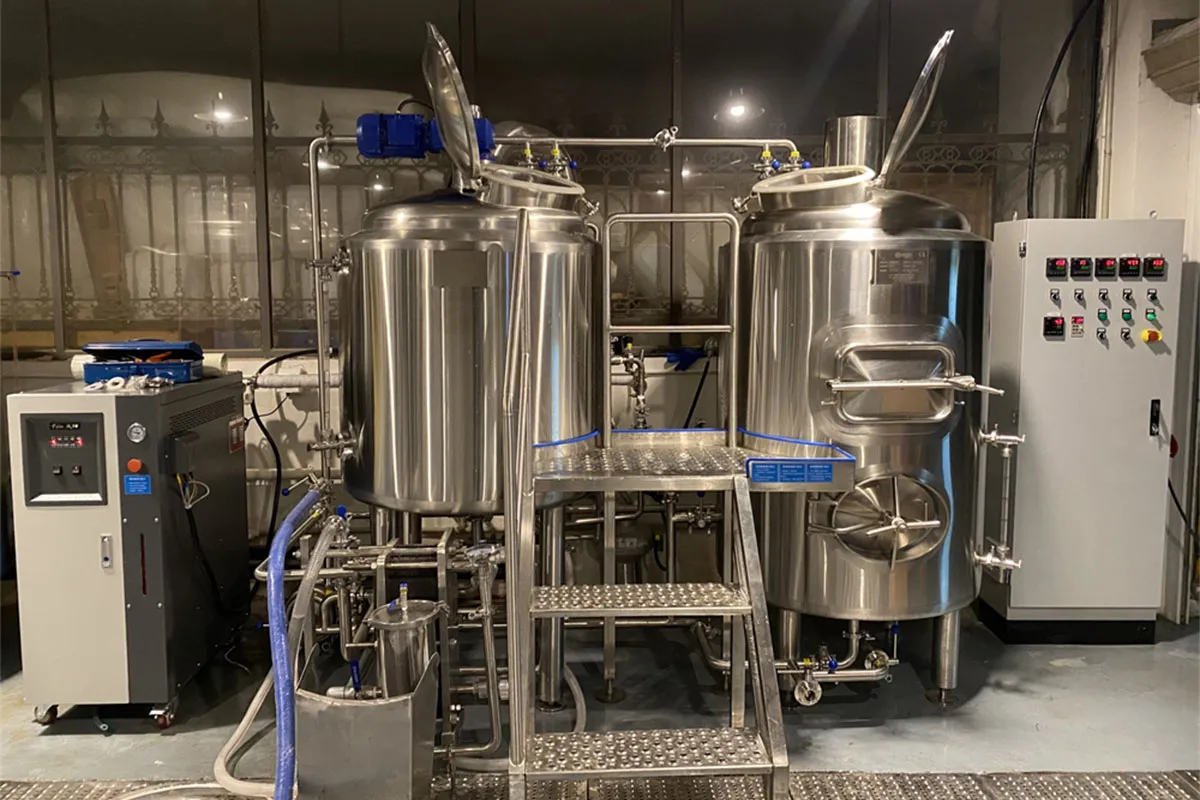
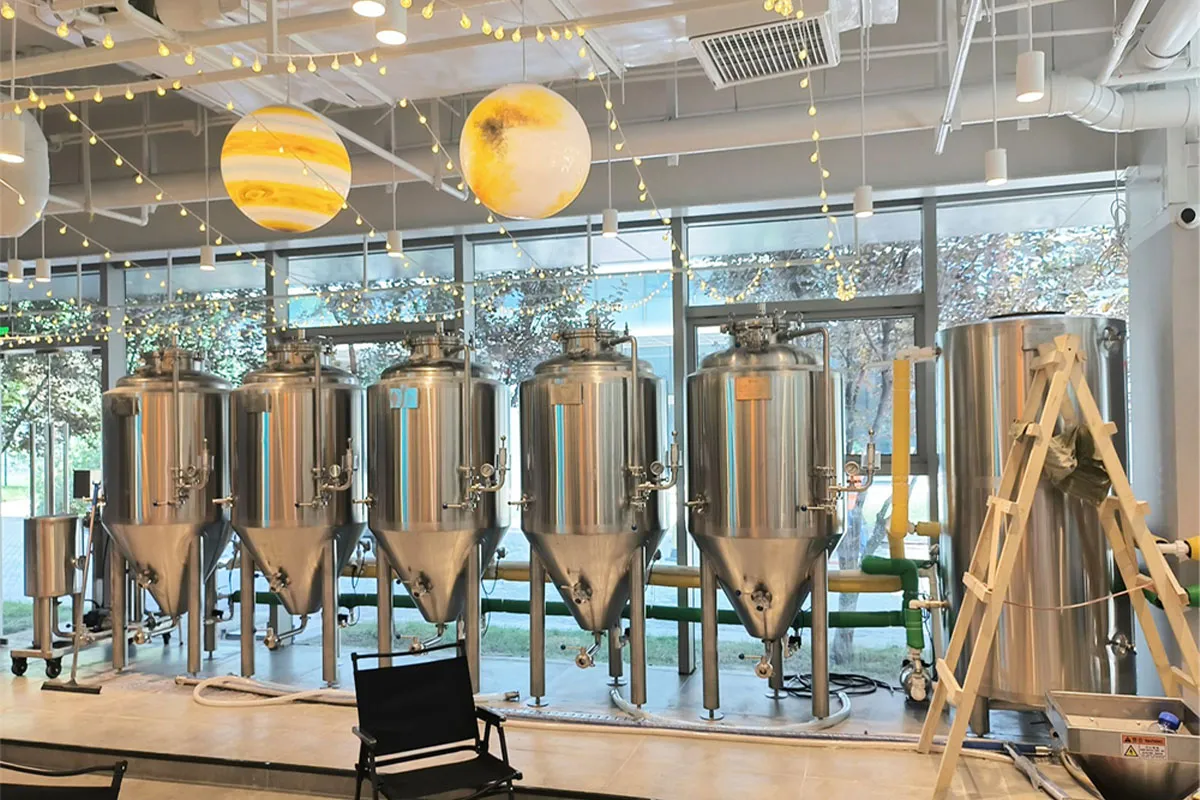
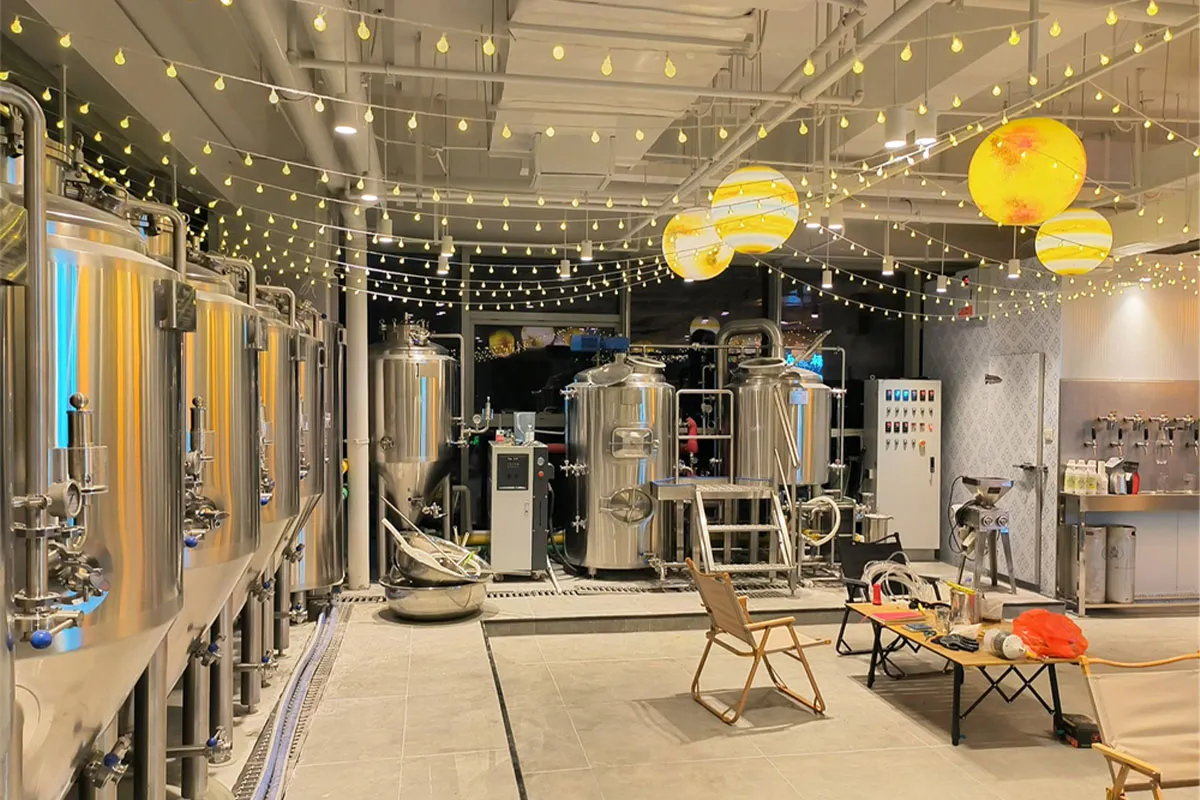
METO’s 300L brewery equipment is a turnkey small-batch system for brewpubs, startup breweries and hospitality projects that need repeatable production without moving to a full microbrewery footprint. The reference package includes a two-vessel brewhouse with 500L hot liquor tank, six 300L fermenters, 800L glycol tank, 3P chiller, 50L portable CIP station and configurable digital or PLC controls.
300L / Brew
6 × 300L ( +25% headspace )
Typical workflow: milling → mashing/lauter → boil/whirlpool → cooling/oxygenation → fermentation → CIP cleaning → control & utilities.
To issue an accurate quotation and layout drawing, we recommend buyers confirm these items:
We can provide layout suggestions, utilities lists, and integration notes to reduce on-site commissioning time.
Below are the practical configuration items and parameters commonly reviewed by engineers, integrators, and purchasing managers. This avoids “marketing-only” descriptions and provides decision-ready data.
The core set includes MT/LT + KT/WT and a 500L Hot Liquor Tank (HLT). The mash/lauter tun is specified below with real dimensions and material thickness.
Key Parameters: 300L; Φ960×2300 mm; inner shell SUS304 TH=3mm; outer shell TH=2mm; interior polishing 0.4 μm (8K optional).
Key Parameters: Configured per heating method and process targets (steam/electric, hop load, boil intensity). Final geometry and ports confirmed with your process sheet.
Key Parameters: 500L HLT included for stable sparging and consistent hot water availability.
Procurement focus: sanitary finishing, pressure rating, cooling jacket design, and validated testing. These fermenters are built with dimple plate jackets and 0.4 μm interior finish, supporting stable fermentation repeatability for craft production.
| Parameter | 300L Fermenter (each) | Buyer impact |
|---|---|---|
| Capacity / Headspace | 300L with +25% headspace | Prevents blow-off issues; supports stable fermentation volume control. |
| Dimensions | Φ860 × 2100 mm (customizable) | Helps verify ceiling height and layout fit. |
| Material / Thickness | Inner SUS304 TH=3mm; Outer SUS304 TH=2mm | Structural stability and long-term service life. |
| Insulation | 80mm PU insulation | Improves temperature stability, reduces chiller load. |
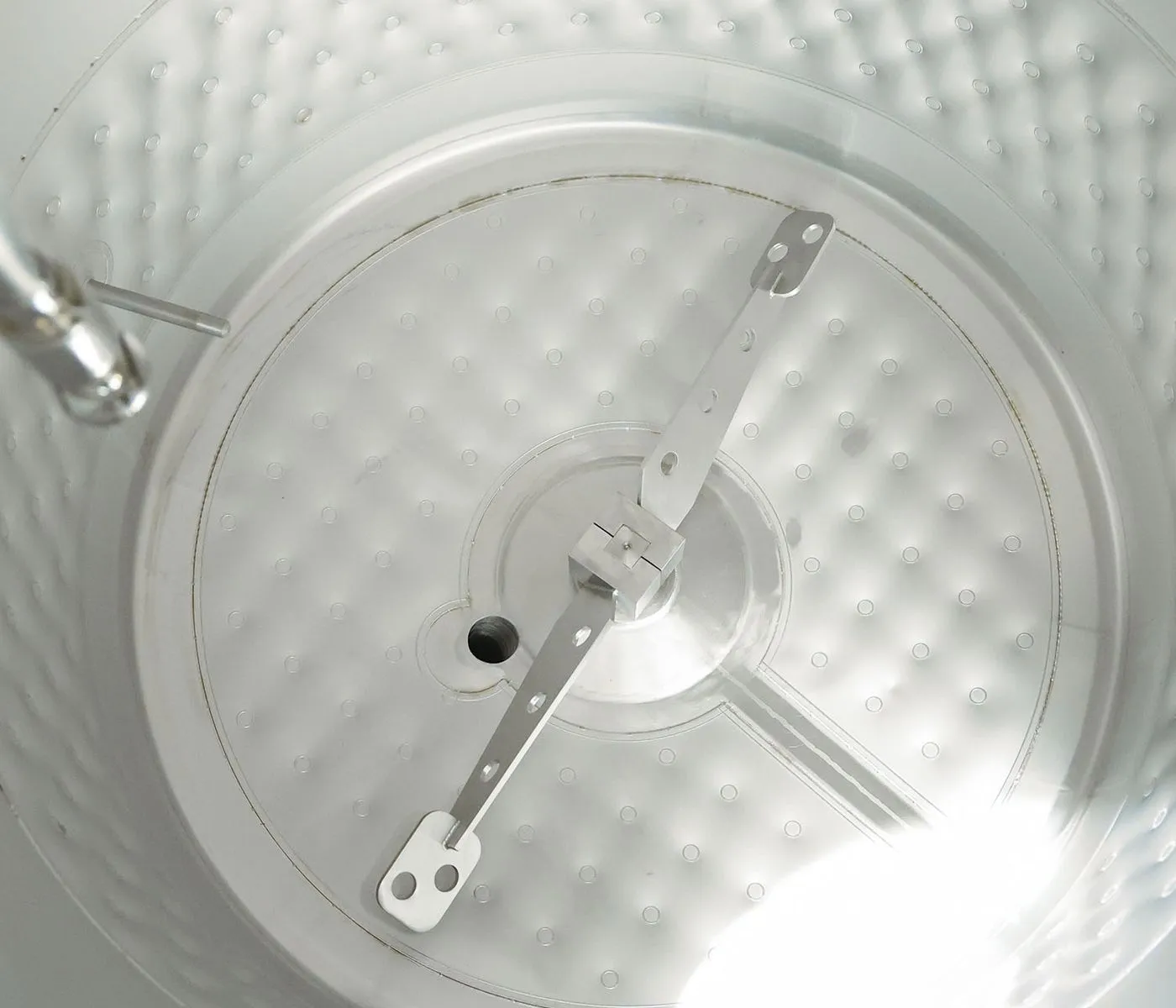
| Interior Finish | Polished to 0.4 μm; no dead corner | Sanitation, easy cleaning, lower contamination risk. |
| Pressure & Testing | Working pressure < 0.2 MPa; tank tested at 0.2 MPa; jacket tested at 0.4 MPa; 48 hours water & gas leakage test | Confirms integrity and safer operation in real brewery conditions. |
| Top/Bottom Geometry | Dished top; 60° conical bottom (customizable) | Supports yeast collection and efficient draining. |
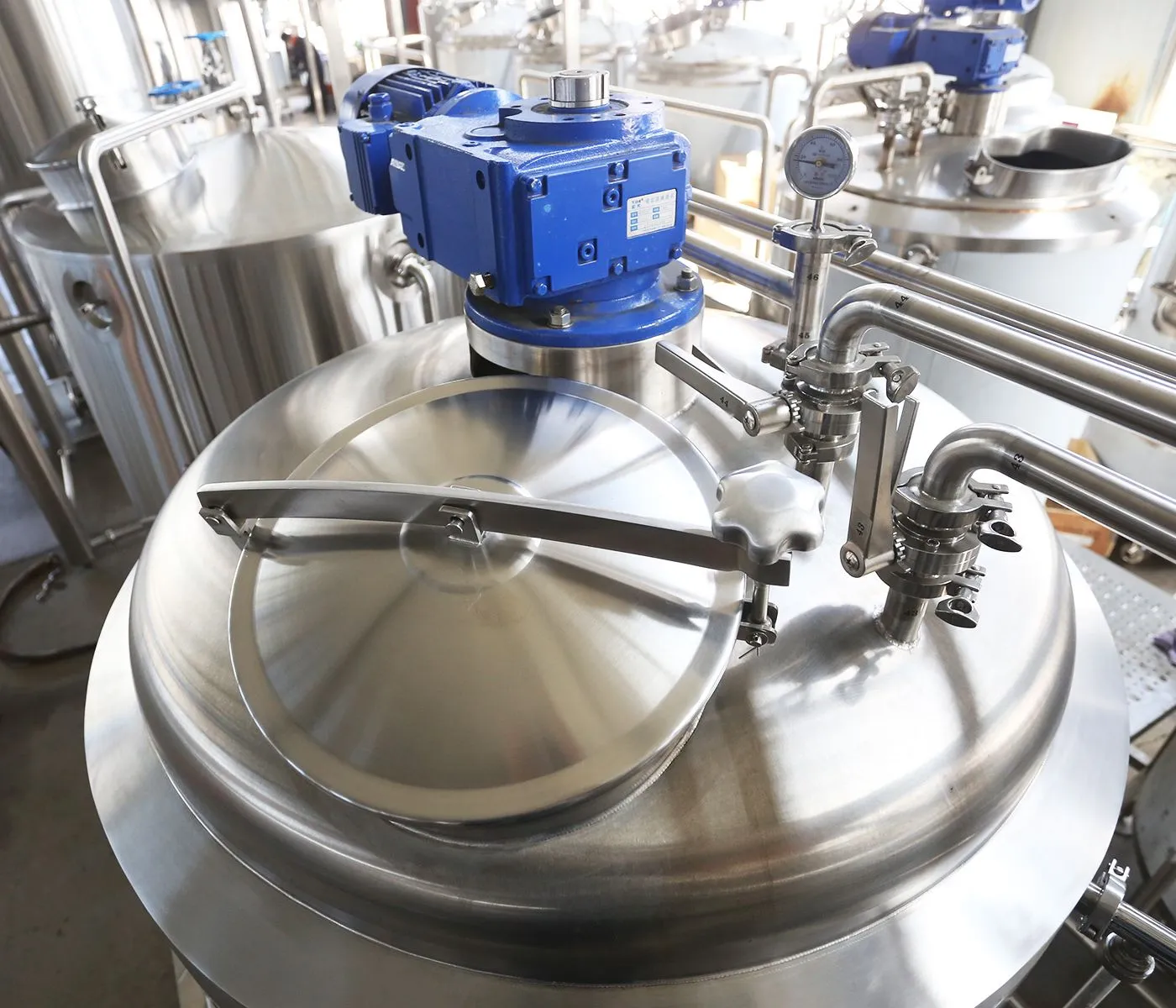
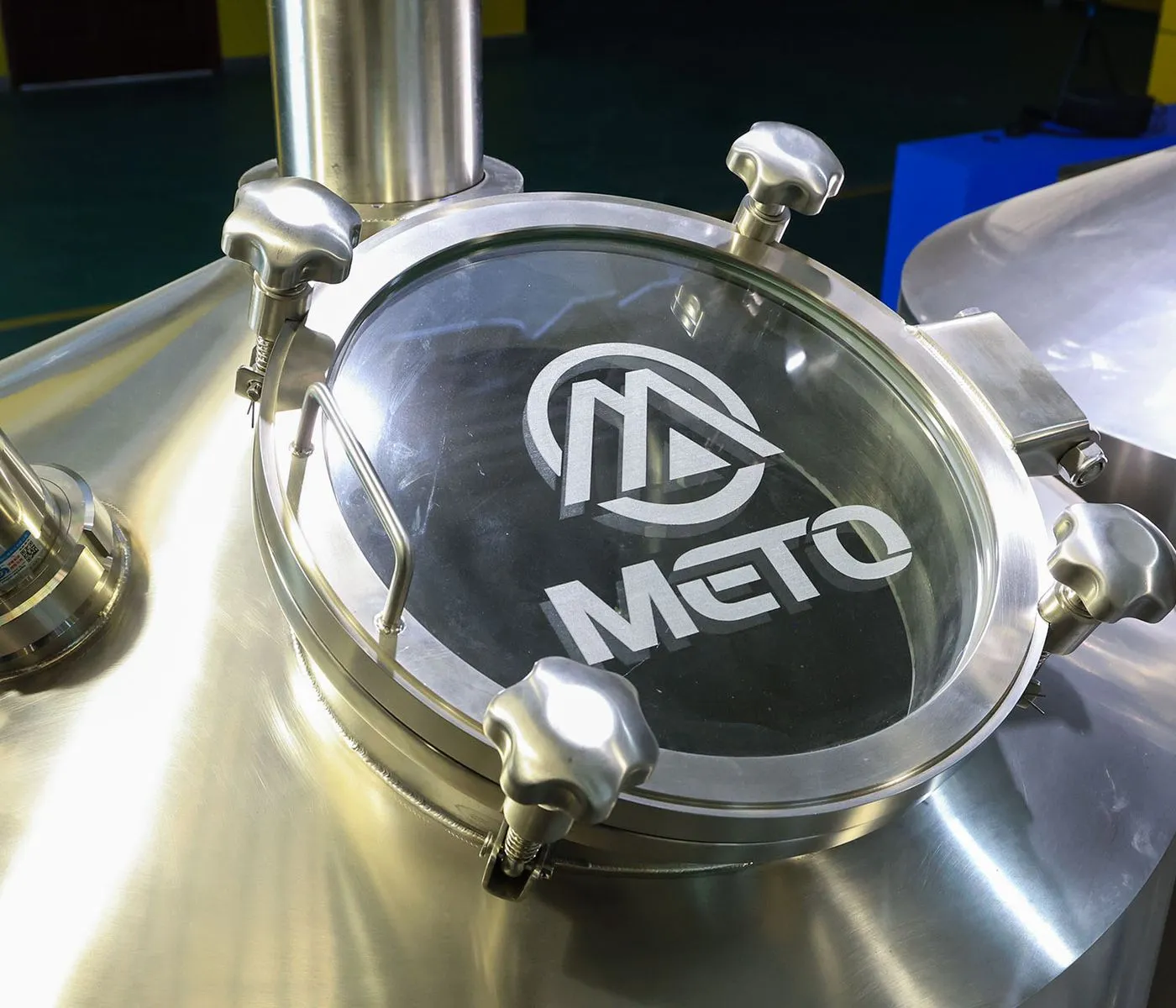
| Manway | Top oval pressured manhole (side manway optional) | Maintenance access and operator usability. |
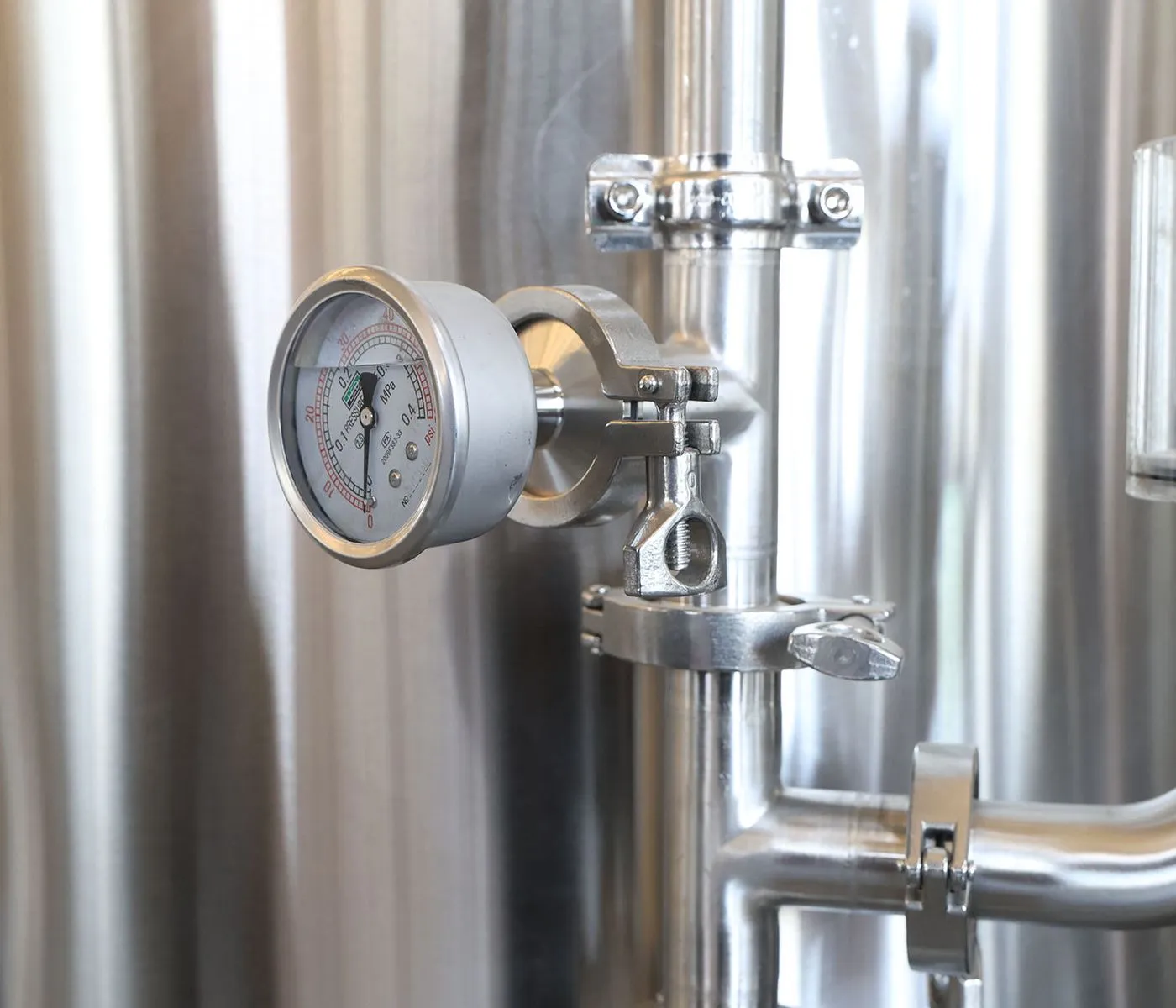
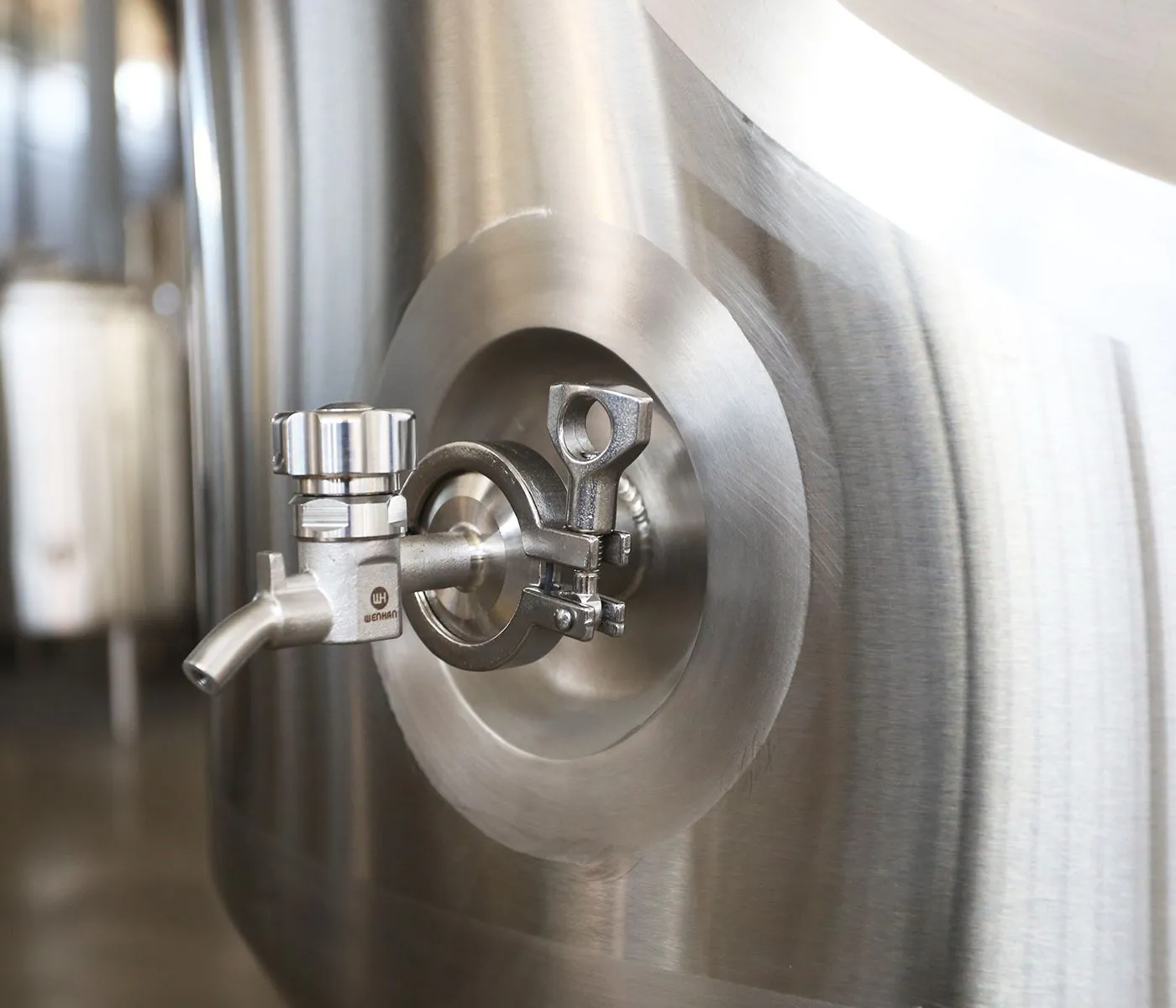
| Standard Fittings | PRV; pressure gauge; sampling valve; rotating racking arm; CIP spray ball; thermowell | Confirms a “complete” fermenter—not missing critical ports. |
| Cooling | 35% glycol at -5°C; dimple plate jacket on bottom & side wall | Temperature precision and fermentation repeatability. |
| Connections | Tri-clamp connections (DIN union optional) | Compatibility with sanitary piping standards. |
Buyer note: Fermenter quantity and jacket zones can be optimized based on your fermentation days and production cadence.
The cooling package is sized to support stable fermentation control with -5°C glycol supply. Below are the real parameters for the glycol tank and chiller.
Glycol loop control can be run in Auto/Manual mode at the cabinet. For procurement, this reduces commissioning risk and simplifies maintenance scheduling.
Built for hygienic cleaning cycles with sanitary finishing and a compact trolley layout—ideal for 300L breweries that need reliable cleaning without complex fixed CIP piping.
Engineer-friendly summary for fast evaluation—covering brewhouse, fermenters, glycol cooling, CIP, and control.
| Model | 300L |
| Max. Malt Feeding Quantity | 75 kg |
| Maximum First-Wort Concentration | 22 °P |
| False-Bottom Load | 200 kg/m² |
| Heating Method | Electric / Steam / Direct fire |
| Hot-Water Pump | 3 T/h, 1.1 kW |
| Wort Pump | 3 T/h, 1.1 kW |
| Glycol Water Pump | 4 T/h, 0.75 kW |
| CIP Pump | 4 T/h, 0.75 kW |
| Regulations / Conformity | CE / UL / ISO / TUV / ASME |
| Footprint | 35 m² |
| Total Power | 45 kW |
| Automation Level | Manual / Semi-automatic |
| Container Transportation | 1 ×20GP |
The control cabinet acts as the “brain” of your 300L production line—coordinating equipment, temperature, timing, and safety logic to ensure consistent product quality, reduced labor dependency, and predictable output. Upgrade to PLC + touchscreen is available for higher automation requirements.
| Item | Specification (Digital Type) |
|---|---|
| Function | Brewing system electric controlling |
| Cabinet Material | Plastic painting; floor type assembling |
| Control Panel | Digital panel |
| Electrical Parts | CHINT |
| VFD | DANFOSS with CE/UL (pump speed control; agitator speed optional by request) |
| Brewhouse Temp Controller | Anthone with CE/UL |
| FV Temp Controller | Anthone with CE/UL |
| Pump Controls | Mash/Wort pump on/off; pump speed adjusted by Danfoss VFD |
| Agitator Controls | Rake/agitator motor on/off; rotation speed adjusted by VFD (special request) |
| Heating Control | Tanks heating manual control by switch |
| Lighting | Tank light on/off control if installed |
| Glycol & Cooling Modes | Glycol water pump on/off Auto/Manu switchable; fermentation tanks cooling control Auto/Manu switchable; bright beer tanks cooling control (if have) Auto/Manu switchable |
| Display | Display temp of glycol water tank (controlled on chiller) |
Buyers often miss hidden costs in commissioning. This package includes standard spare parts and installation tools, and supports optional modules based on your heating and automation needs.
Explore other brewery equipment models by capacity to match different production goals and future expansion plans.
Relevant tanks and pressure-bearing components are manufactured in food-grade SS304 or SS316 as specified, with sanitary TIG welding, controlled surface finishing, and documented inspection records. All applicable equipment undergoes documented 48-hour water and pressure testing before shipment. CE, UL, and CSA compliance documentation is available for the applicable equipment scope and destination-market requirements. METO also provides layout, utilities, commissioning guidance and long-term expansion support.
Configuration based on brewing workflows, not generic tank lists.
Layouts, utilities lists, and integration notes for your site.
Better cost control, faster response, clearer accountability.
Training, spare parts guidance, and expansion planning support.
Malt Handling → milling & transfer preparation
Brewhouse → mash/lautering + boil/whirlpool
Cooling & Transfer → heat exchange to fermentation temp
Fermentation → jacketed conical fermenters for stability
Conditioning (Optional) → BBT / maturation
CIP → clean-in-place hygiene standardization
Packaging (Future-ready) → keg/bottle/can integration
Choose 300L when a startup brewpub needs regular production, multiple fermenters and a compact path to future packaging and cellar expansion.
Six 300L fermenters provide a practical starting point for rotating beer styles and maintaining a regular brew schedule. The final cellar plan should account for ale or lager fermentation time, conditioning, dry hopping and packaging. METO can reserve glycol, control and floor-layout capacity for additional fermenters as taproom demand grows.
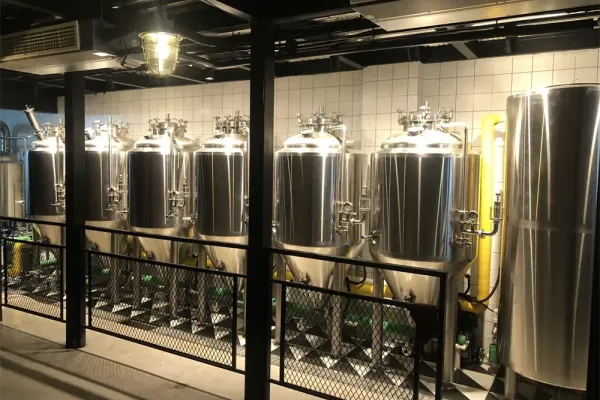
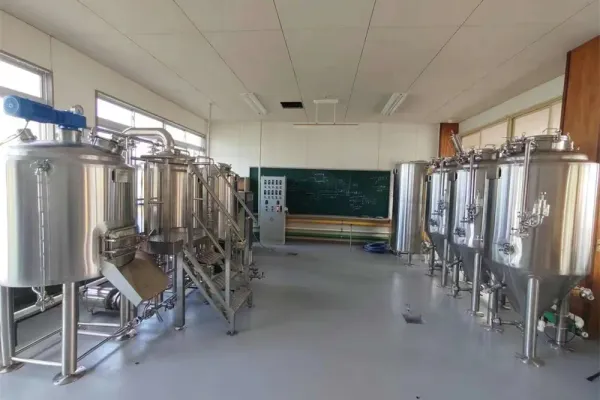
Django Cerveza Artesanal Brewery in Ecuador uses a verified 300L METO brewing system. Dusty Lizard Brewing and Cerveza IGEL Brewery are additional verified nano references at 400L and 500L.
Location: Australia Website:https://www.dustylizardbrewing.com.au/ Project Detail: Dusty Lizard Brewing is a craft brewery and brewpub based in Australia, known for producing flavorful, approachable beers for

Location:Guayaquil,Ecuador Project Detail: In 2016, we established a partnership with Django Cerveza Artesanal, a renowned craft beer brand in Ecuador, to provide tailor-made

Location: Chile Website:https://www.cervezaigel.cl/ Project Detail: In 2023, we embarked on our first collaborative venture with Cerveza IGEL Brewery, a renowned microbrewery
Answers for engineering and procurement teams evaluating a 300L brewery equipment project.
A typical scope includes malt milling, a 300L brewhouse, hot liquor tank, fermentation tanks, glycol cooling, portable CIP, controls, sanitary piping and engineering documents. The final scope is confirmed against the site and production plan.
Six fermenters support practical rotation across fermentation, conditioning and different beer styles. The final quantity is calculated from the planned brewing schedule and tank residence time.
Relevant tanks and pressure-bearing components are manufactured in food-grade SS304 or SS316 as specified, with sanitary TIG welding, controlled surface finishing, and documented inspection records. All applicable equipment undergoes documented 48-hour water and pressure testing before shipment. CE, UL, and CSA compliance documentation is available for the applicable equipment scope and destination-market requirements.
Provide beer styles, brews per week, fermentation days, heating preference, voltage, drainage, ventilation, automation level and the available floor plan.
Send your target brews per week, fermentation schedule, heating preference, voltage and floor plan. METO will prepare a 300L BOM, preliminary layout, utility requirements and project quotation.
The 300L system can be supplied with planned connections for future kegging, bottling or canning equipment.
Fill in the essentials—our team will respond with a technical proposal.
Tip: Attach layout drawings and utilities list for faster engineering confirmation.
Our team will reply using the contact details you provide. Please check your inbox and spam folder for our response.
*We respect your privacy. All information submitted is strictly confidential.
Your details will only be used to respond to your inquiry. We never send unsolicited emails or promotional messages.