

Warning: preg_match_all(): Unknown modifier '|' in /www/wwwroot/maituo.hyhdemo.top/wp-content/novamira-sandbox/meto-prelaunch-seo.php on line 15
METO Equipment Logo

1000L Brewery Equipment for Craft Brewery Production

1000L Brewery Equipment

for Craft Brewery Production

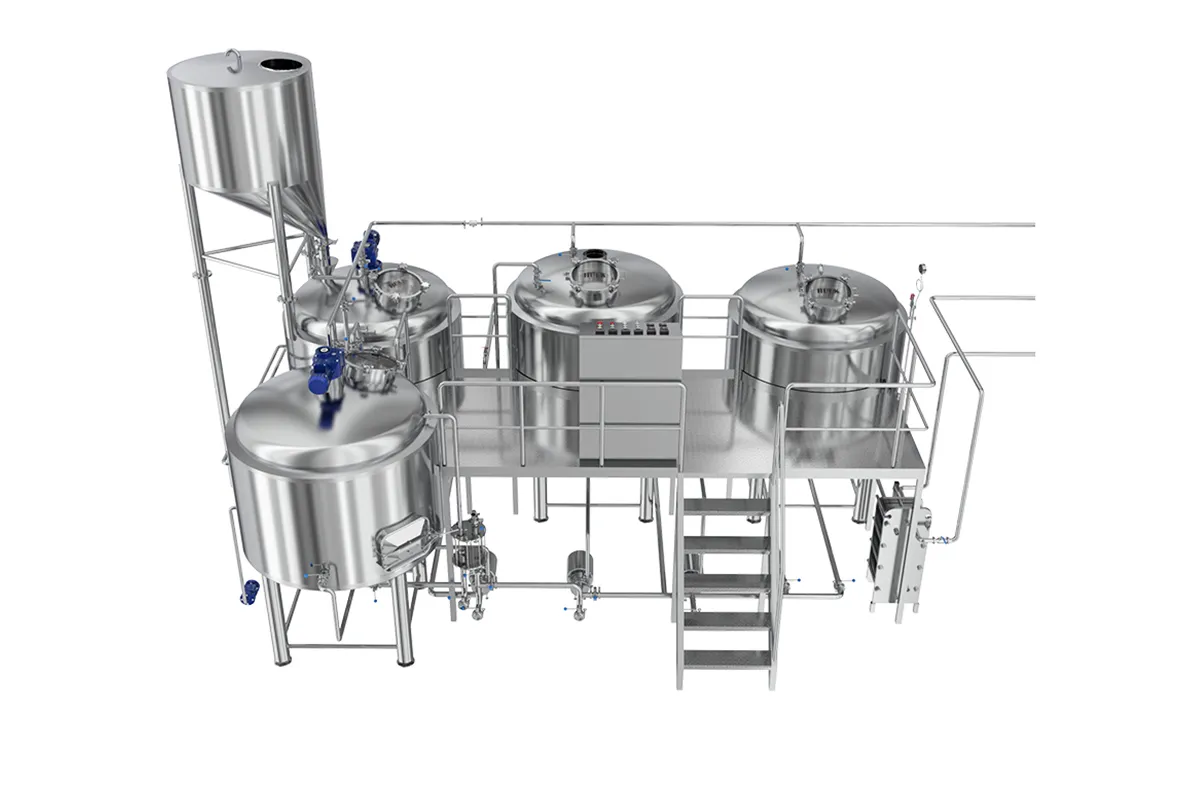
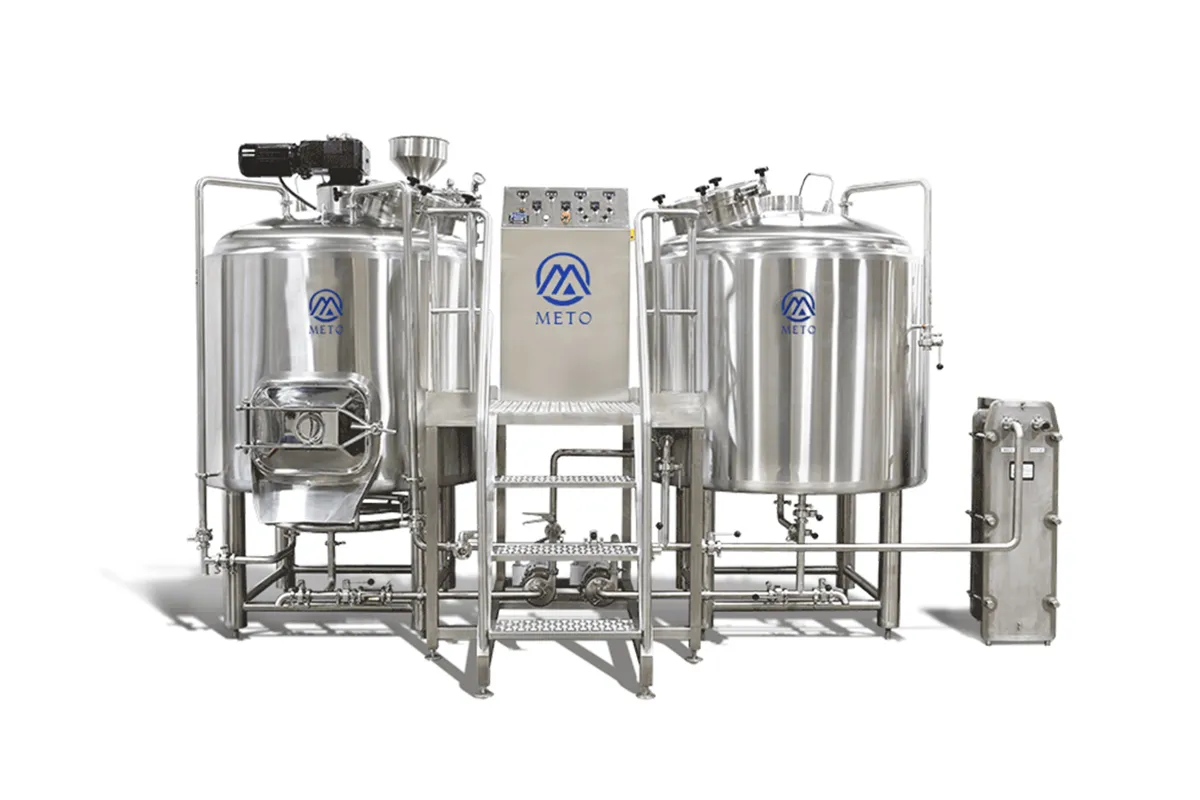
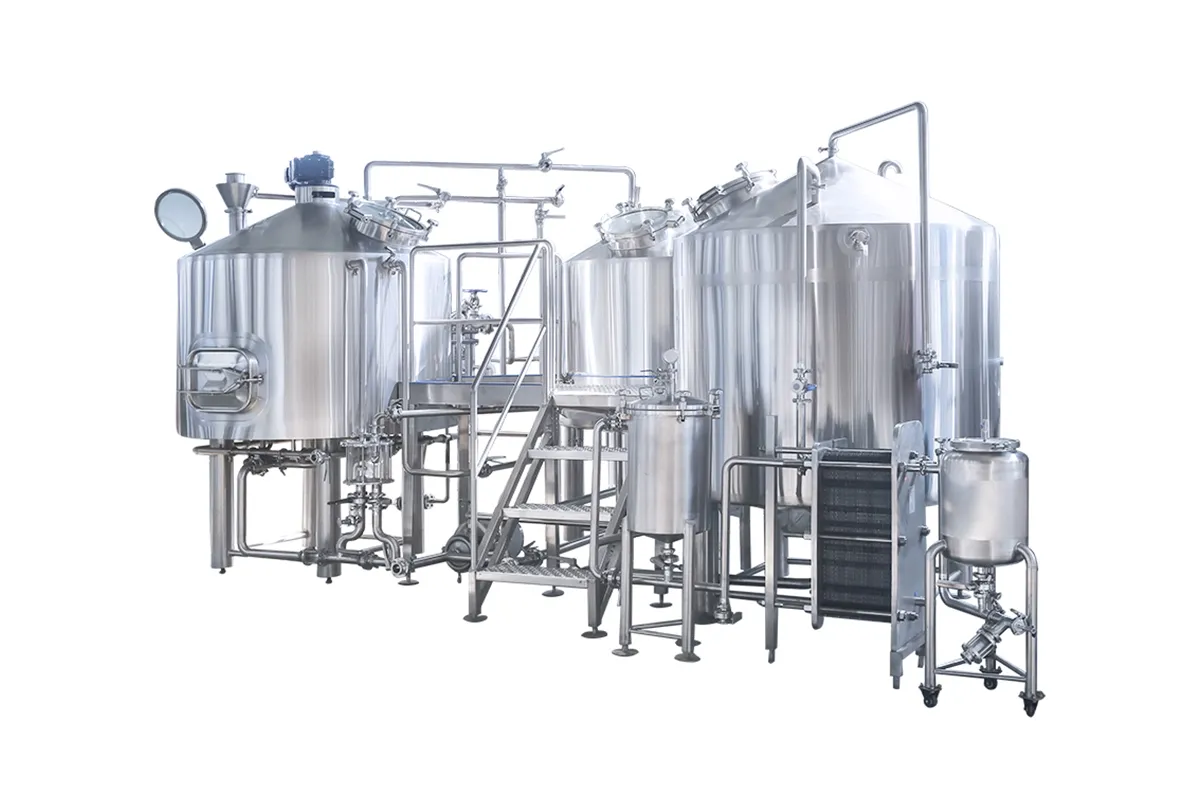
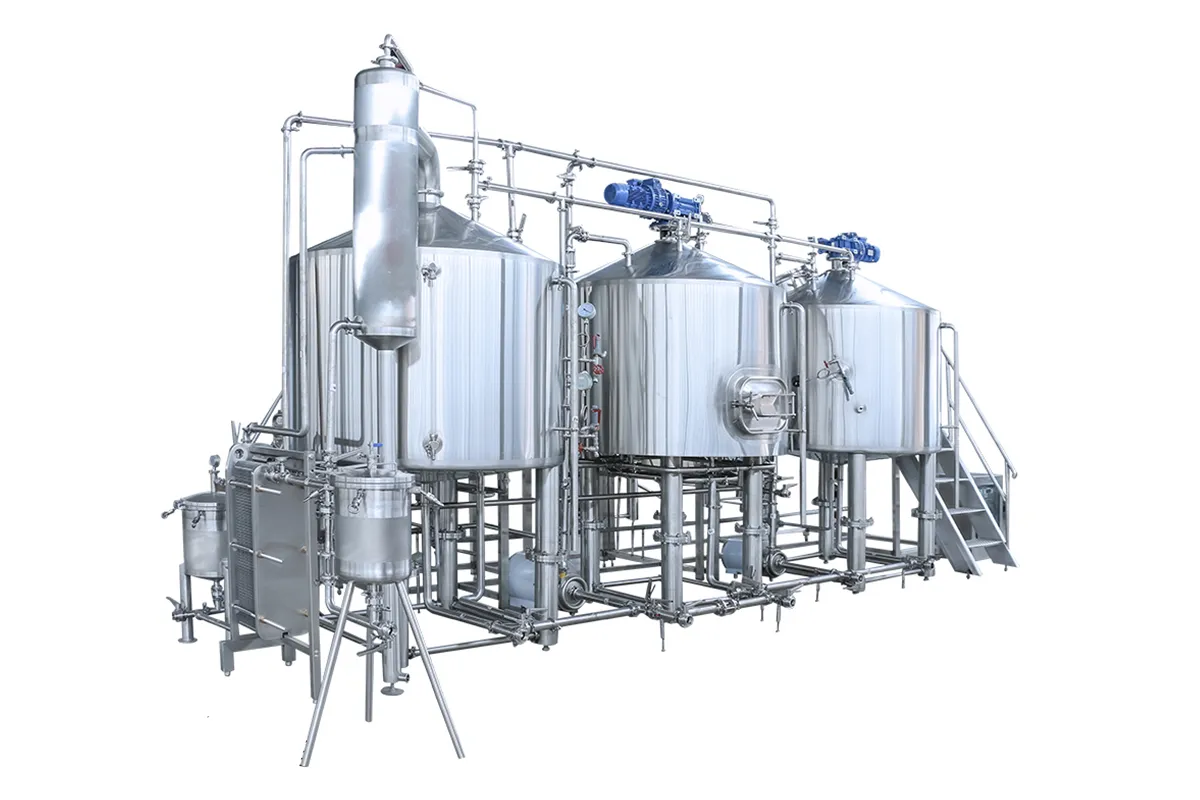
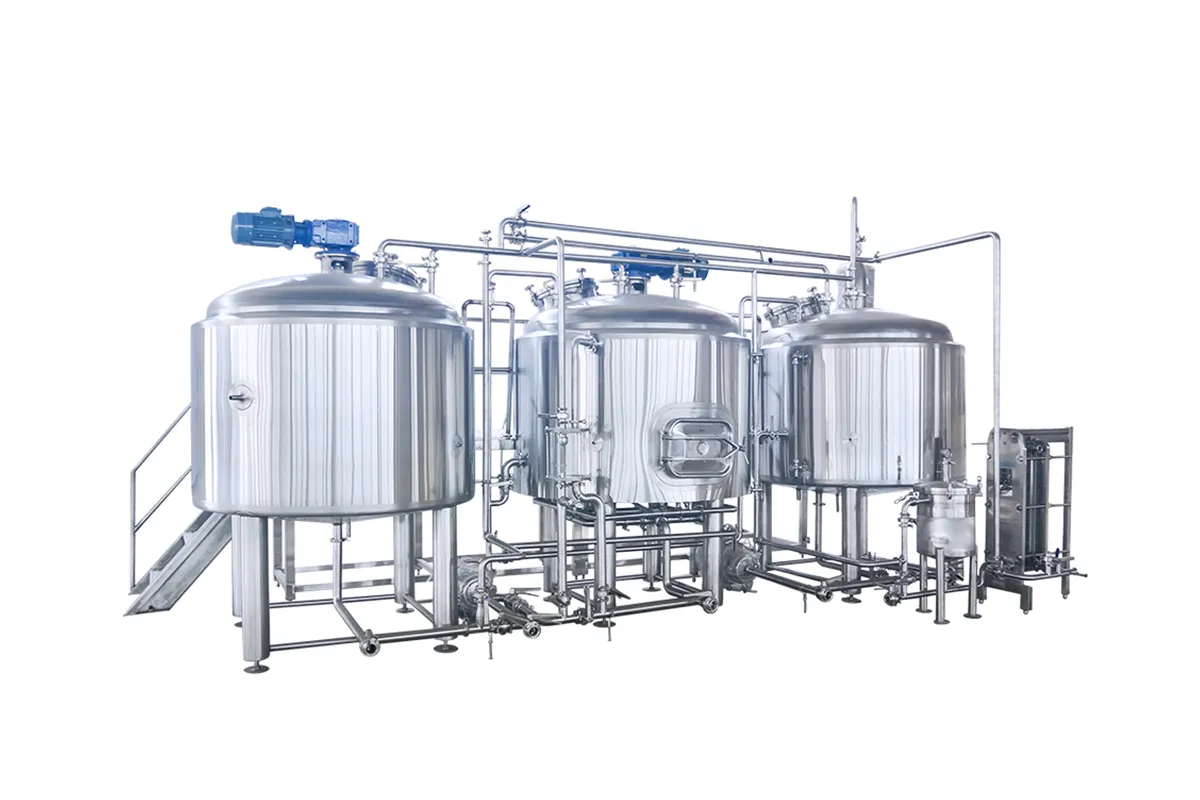
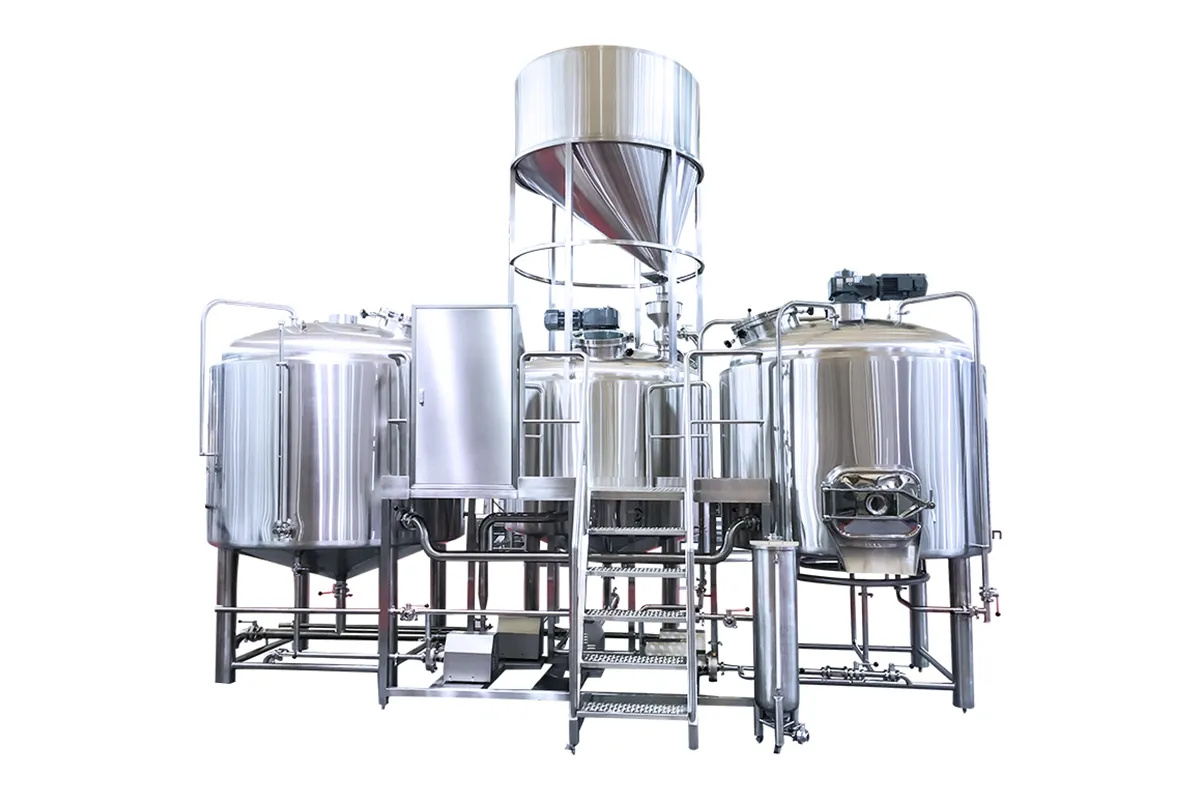
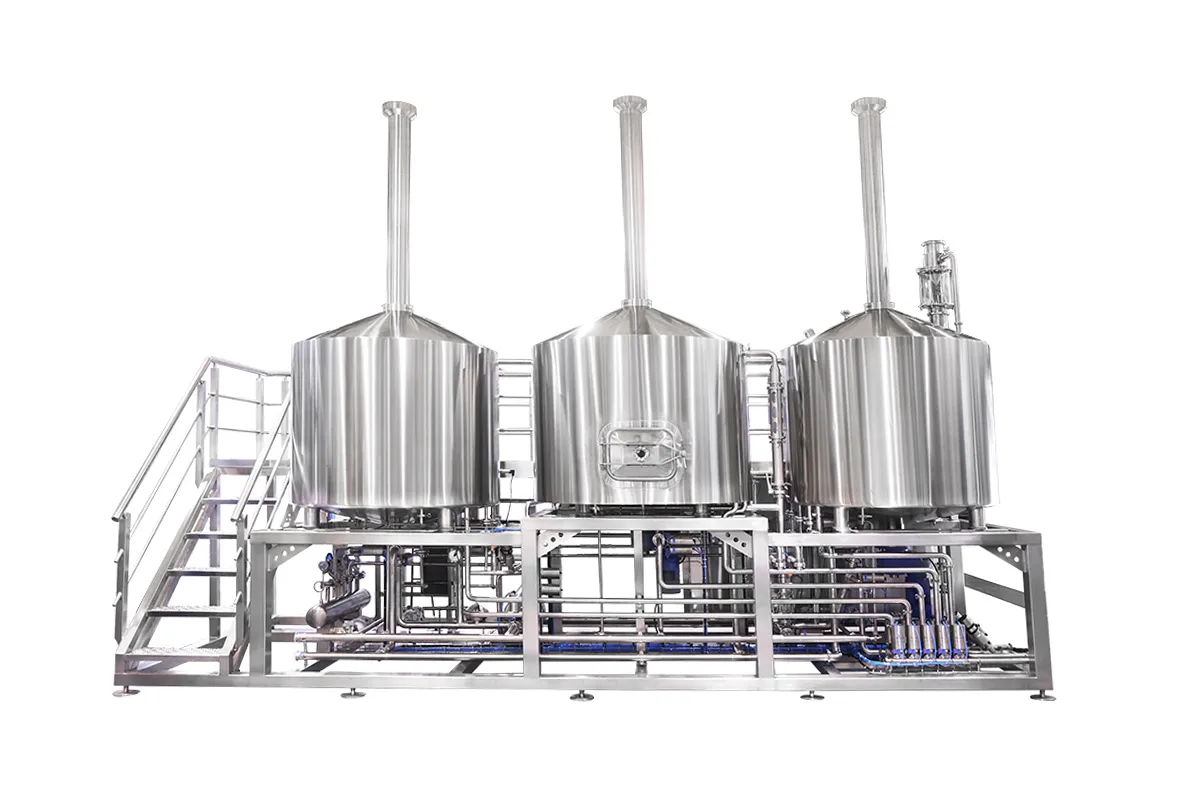
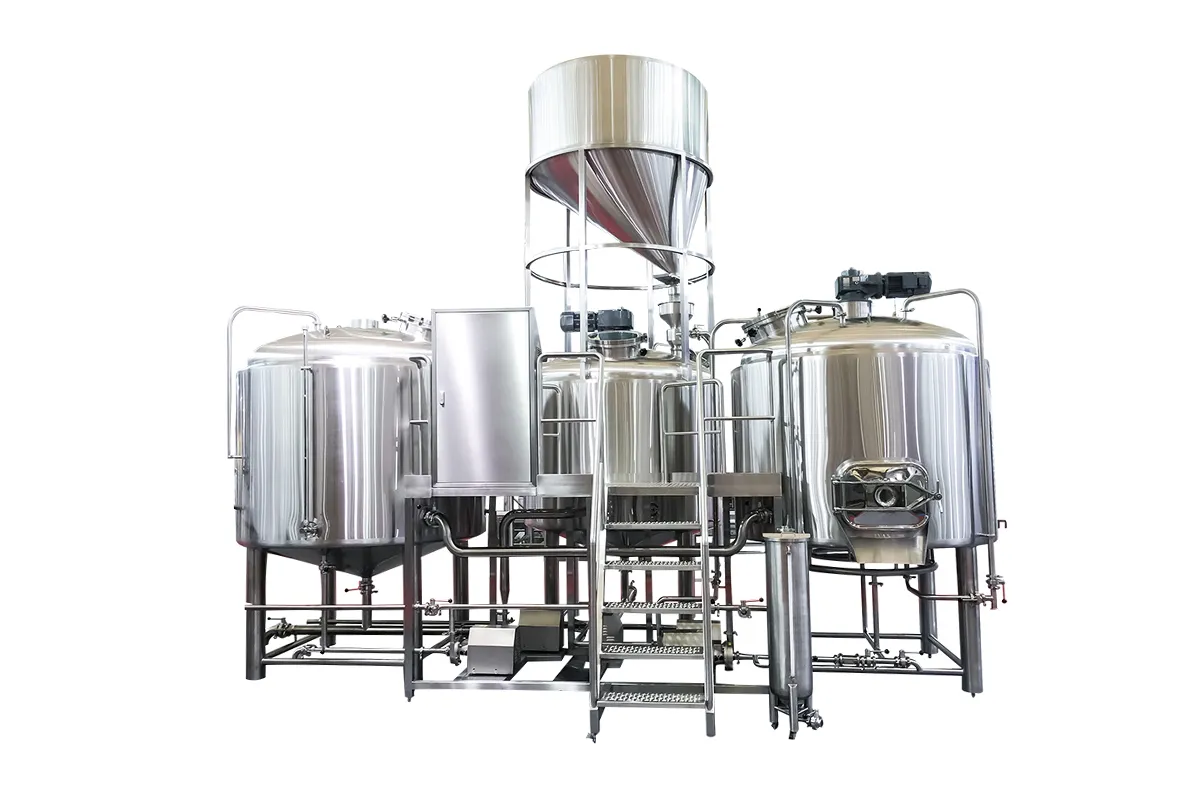
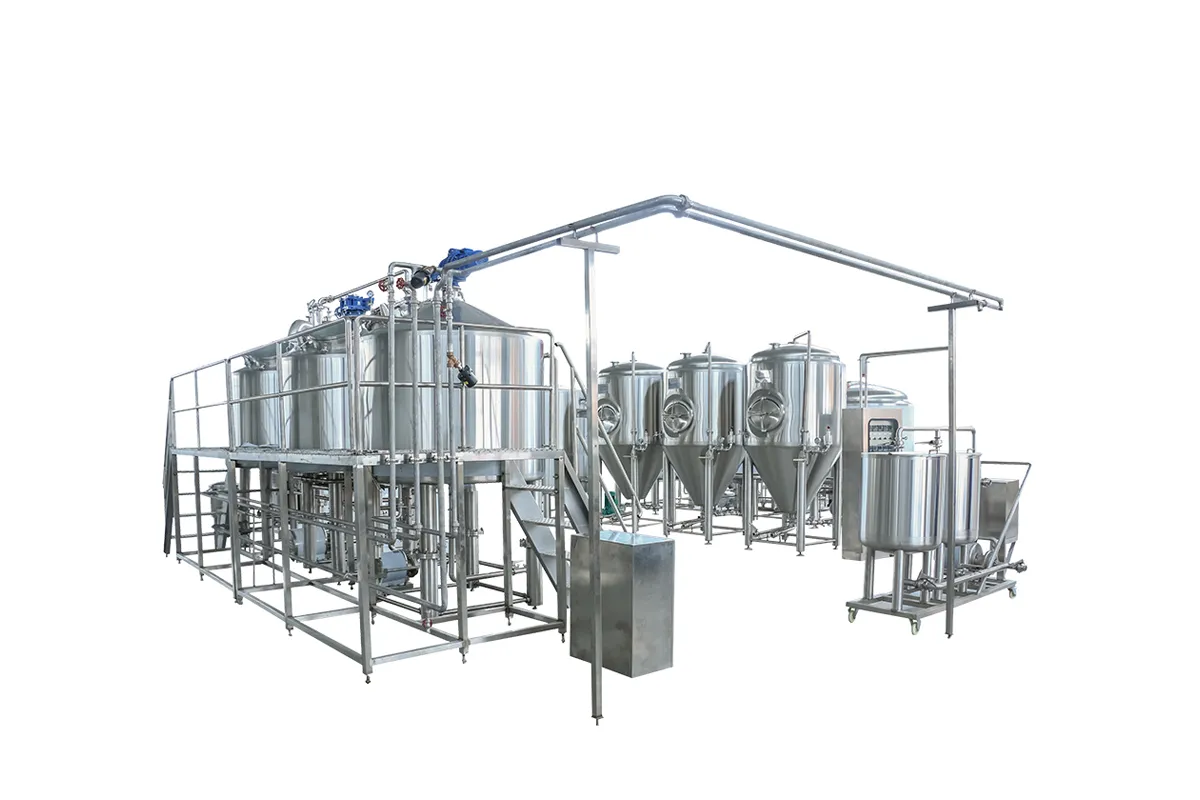
METO’s 1000L brewery equipment is a 10HL production system for craft breweries combining taproom sales with local distribution. The reference configuration uses a three-vessel brewhouse, 1500L hot liquor tank, six 1000L fermenters, industrial glycol cooling, portable CIP and configurable controls. Cellar, utility and packaging capacity are planned together for stable daily operation.

  •  1000L Brewhouse:Φ1560×2500mm vessels 
  • 1500L HLT • 1000L FV × 6 
  • 15kW Chiller + 3000L Glycol Tank

What’s Included in the 1000L Brewery Equipment System

Procurement-friendly configuration designed as a connected brewing architecture—brewhouse throughput, fermentation capacity, cooling load, cleaning efficiency, and controls are matched to minimize commissioning risk and stabilize output.

Standard System Configuration (Reference)

  • Malt milling: XW-G3 Malt Miller 500kg/hr × 1
  • Brewhouse: 1000L 3-Vessel (Mash + Lauter + Kettle/Whirlpool)
  • HLT: 1500L Hot Water Tank × 1
  • Fermentation: 1000L Fermenters × 6 sets
  • Cooling: 3000L Glycol Tank + 15kW Chiller
  • CIP: Portable CIP 100L (5kW heating) + SS cabinet
  • Controls: Brewhouse piano cabinet (digital) + options
  • Heating: Gas/Oil steam boiler 100kg/hr, 0.7MPa
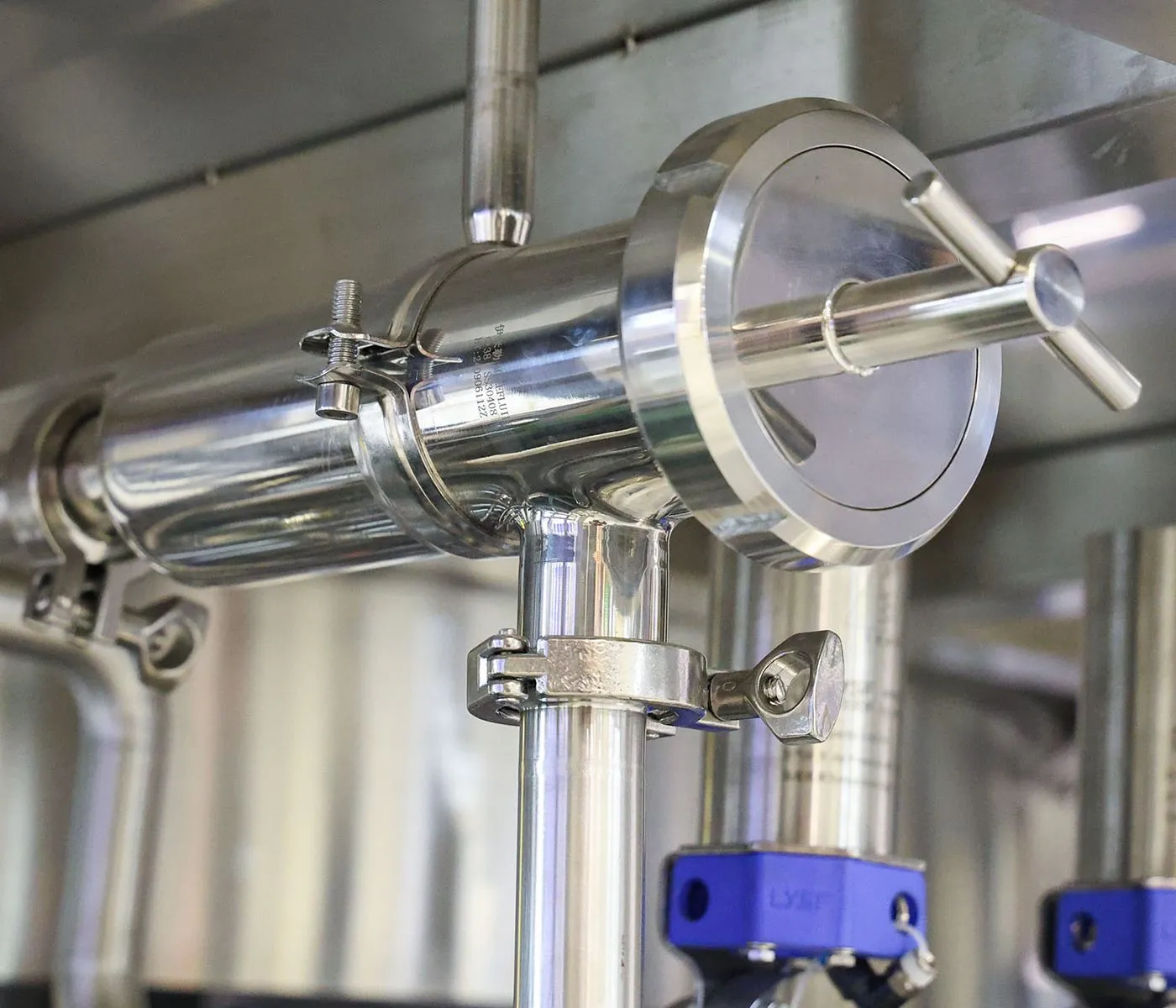
  • Key accessories: PHE, IFM flow meters, oxygenation, yeast adding, sanitary pipes/valves

Add-ons: BBT, more fermenters, PLC/HMI automation, packaging integration.

For Engineering Teams

We can provide layout suggestions, utilities lists, and integration notes to reduce on-site commissioning time.

1000L 3-Vessel Brewhouse Configuration

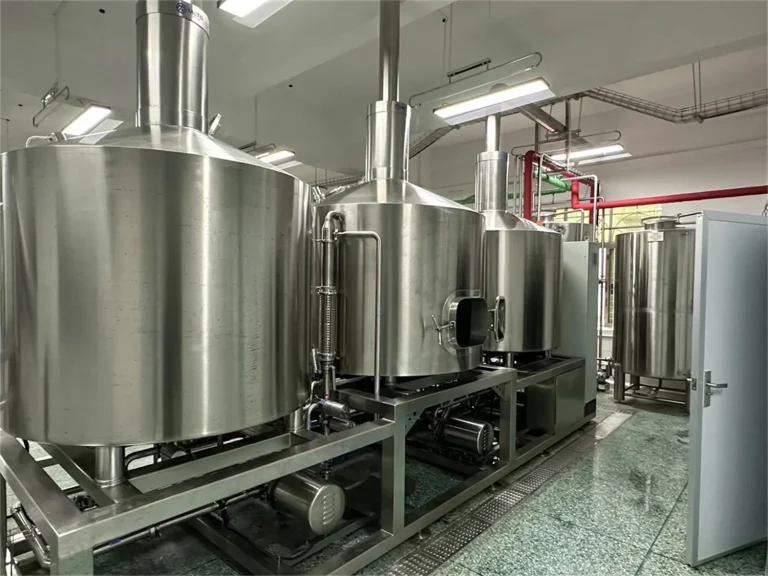
Commercial brewhouse designed for stable extraction, fast lautering, consistent boiling, and repeatable whirlpool separation. Built with sanitary TIG welding, polished internal surfaces, and steam jacket heating.

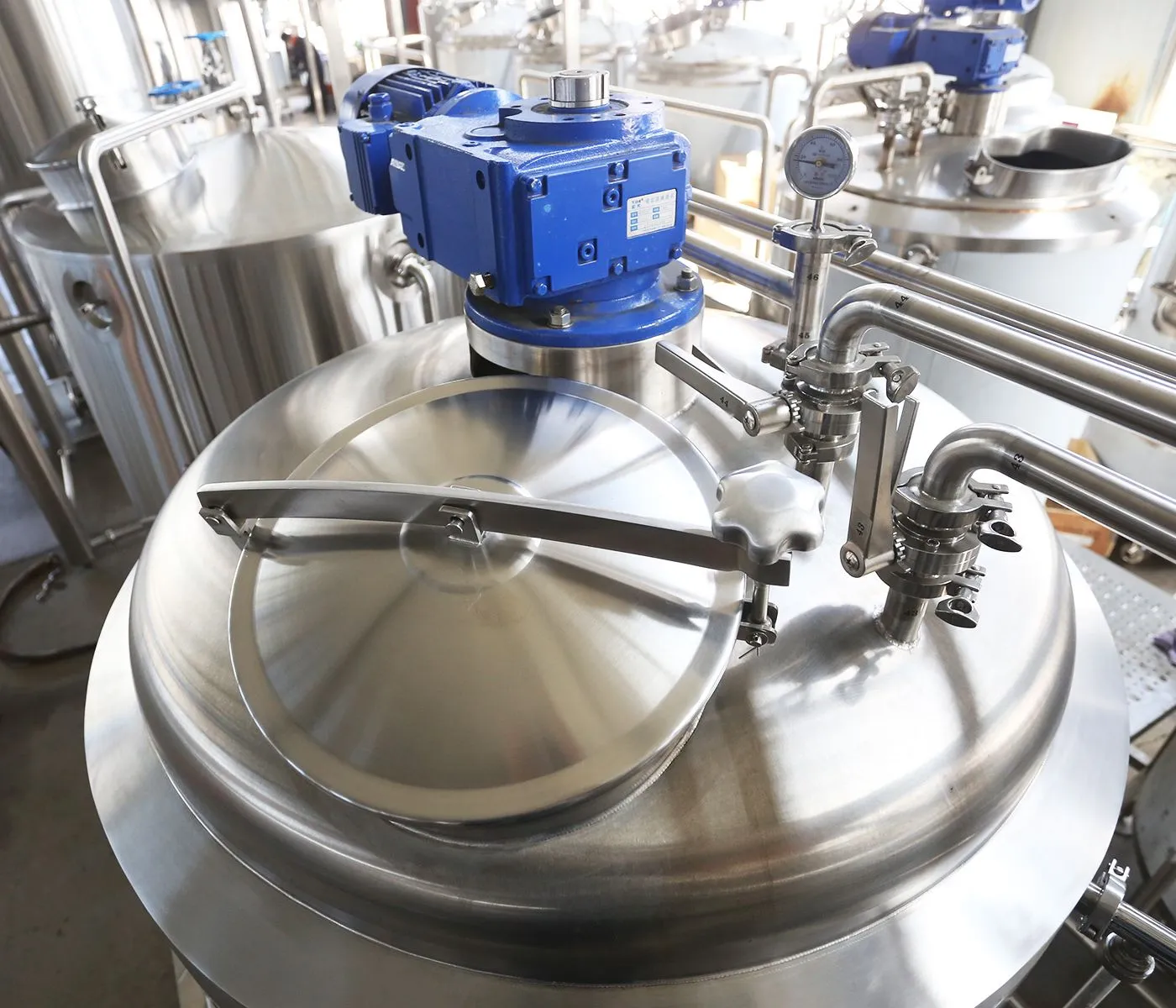
Mash Tank — 1000L × 1

  • Dimension: Φ1560×2500mm
  • Material: SUS304 inner TH 4mm / outer TH 2mm; dish head TH 4mm
  • Finish: inside polished to 0.4μm; pickling & passivation (8K optional)
  • Insulation: PU 80mm
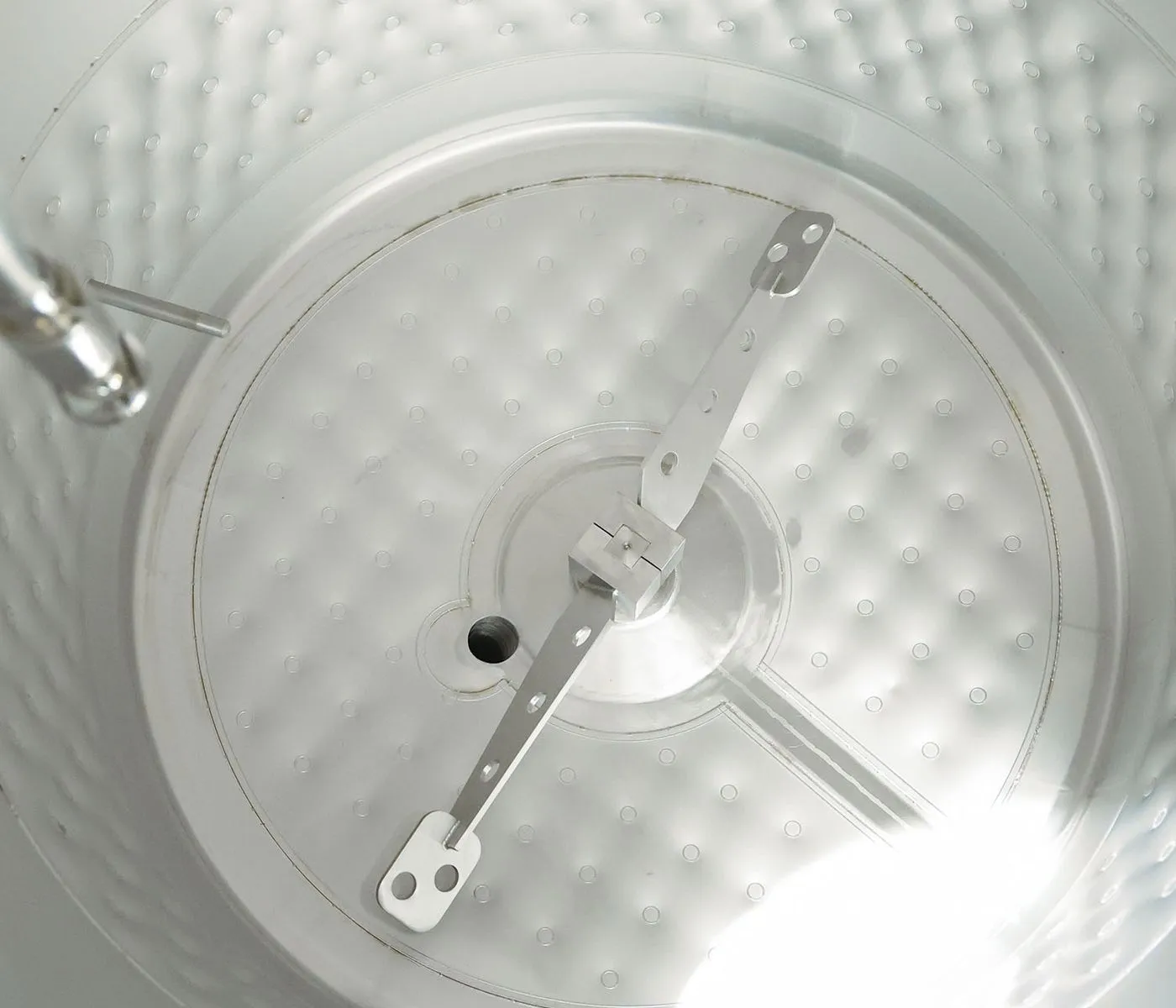
  • Heating: steam dimple jacket (test 0.4MPa; working <0.3MPa); ~1℃/min
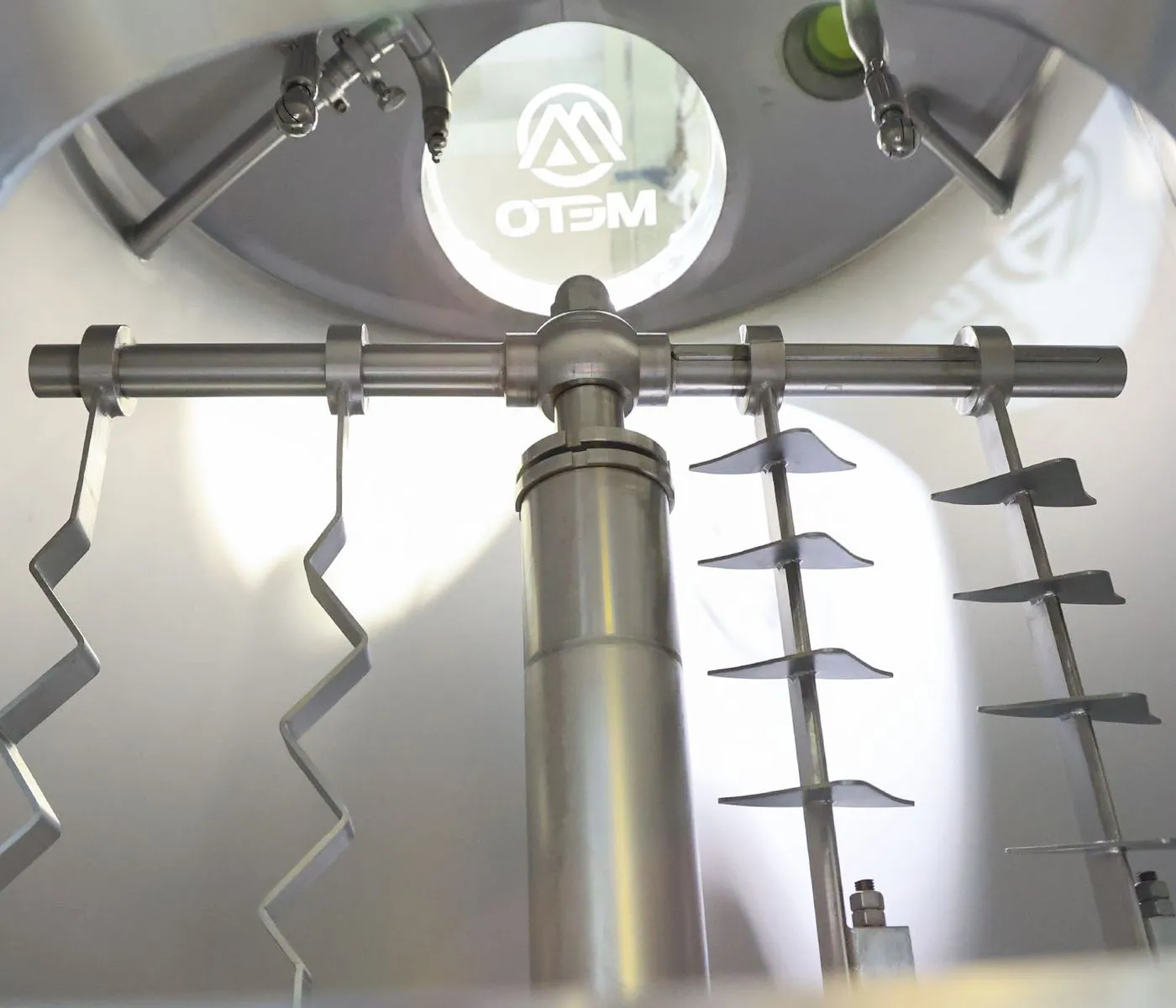
  • Mixing: top motor + VFD
  • CIP & sensor: 360° spray ball + PT100

Lauter Tun — 1000L × 1

  • Dimension: Φ1560×2500mm
  • Material: SUS304 inner TH 3mm / outer TH 2mm
  • Finish & insulation: 0.4μm polish; PU 80mm
  • Process support: grant tank + wort sight glass to improve filtration stability
  • CIP & sensor: 360° spray balls (2 pcs) + PT100

Kettle / Whirlpool — 1000L × 1

  • Dimension: Φ1560×2500mm
  • Heating: steam jacket (bottom + cylinder), separable manual control
  • Whirlpool: tangent inlet; cone outlet; bottom center discharge
  • Steam jacket: test 0.4MPa; working <0.3MPa
  • CIP & sensor: 360° spray ball + PT100

Hot Water Tank (HLT) — 1500L × 1

  • Dimension: Φ1460×2250mm (customizable)
  • Material: SUS304 inner TH 3mm / outer TH 2mm; inside 0.4μm
  • Insulation: PU 80mm
  • Pump: 5 m³/hr sanitary SUS304; ABB/WEG motor options

1000L Fermentation Tanks (×6) for Commercial Brewing

Hygienic construction, pressure-rated accessories, and stable glycol cooling help reduce batch variation and labor dependency in daily production.

1000L Conical Fermenter — 6 sets (Reference)

  • Dimension: Φ1260×2550mm (customizable)
  • Finish & insulation: inside 0.4μm polish; PU 80mm
  • Pressure: tank & jacket working <0.2MPa; test: tank 0.2MPa / jacket 0.4MPa
  • Cone: 60°
  • Cooling: dimple jackets (bottom + side), 35% glycol, -5℃
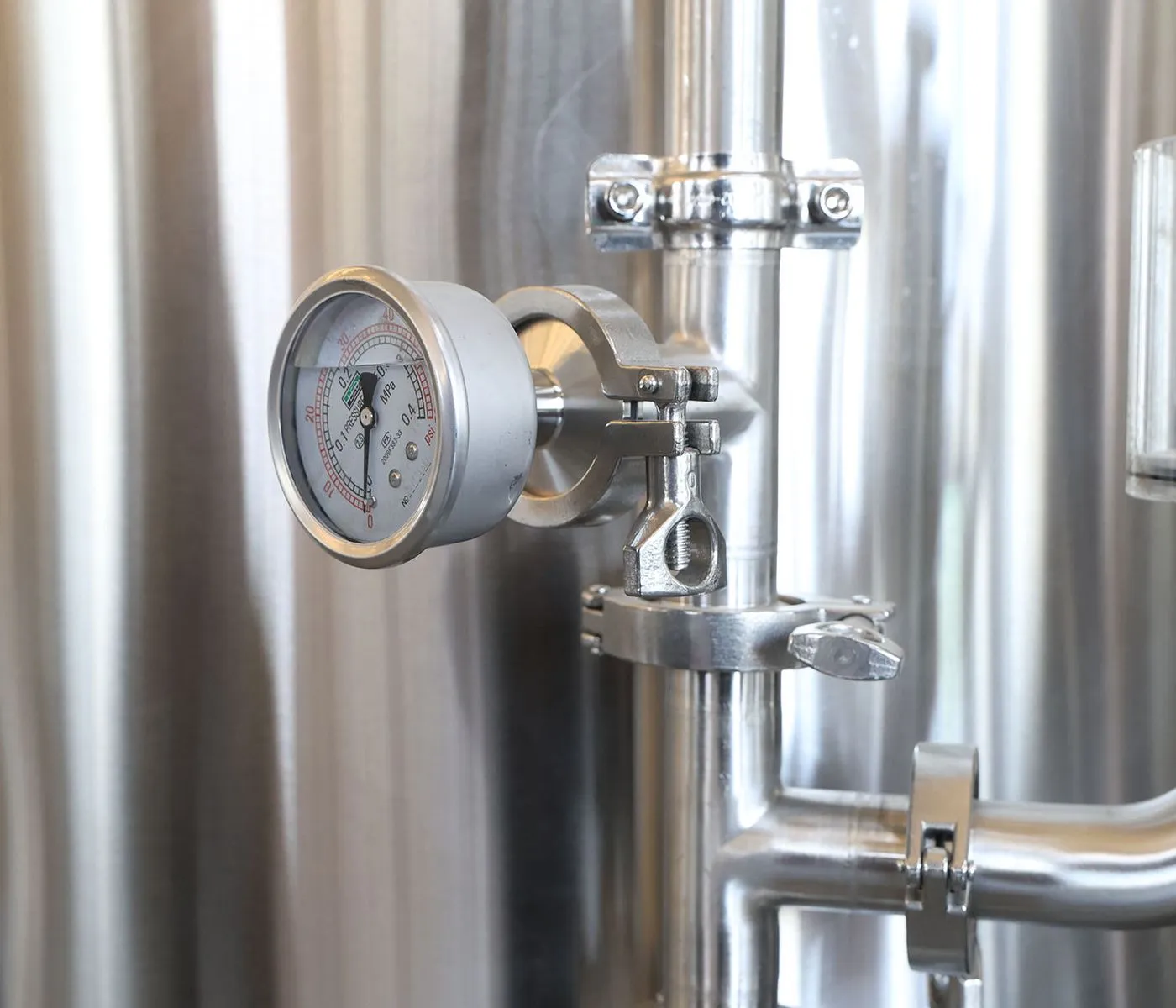
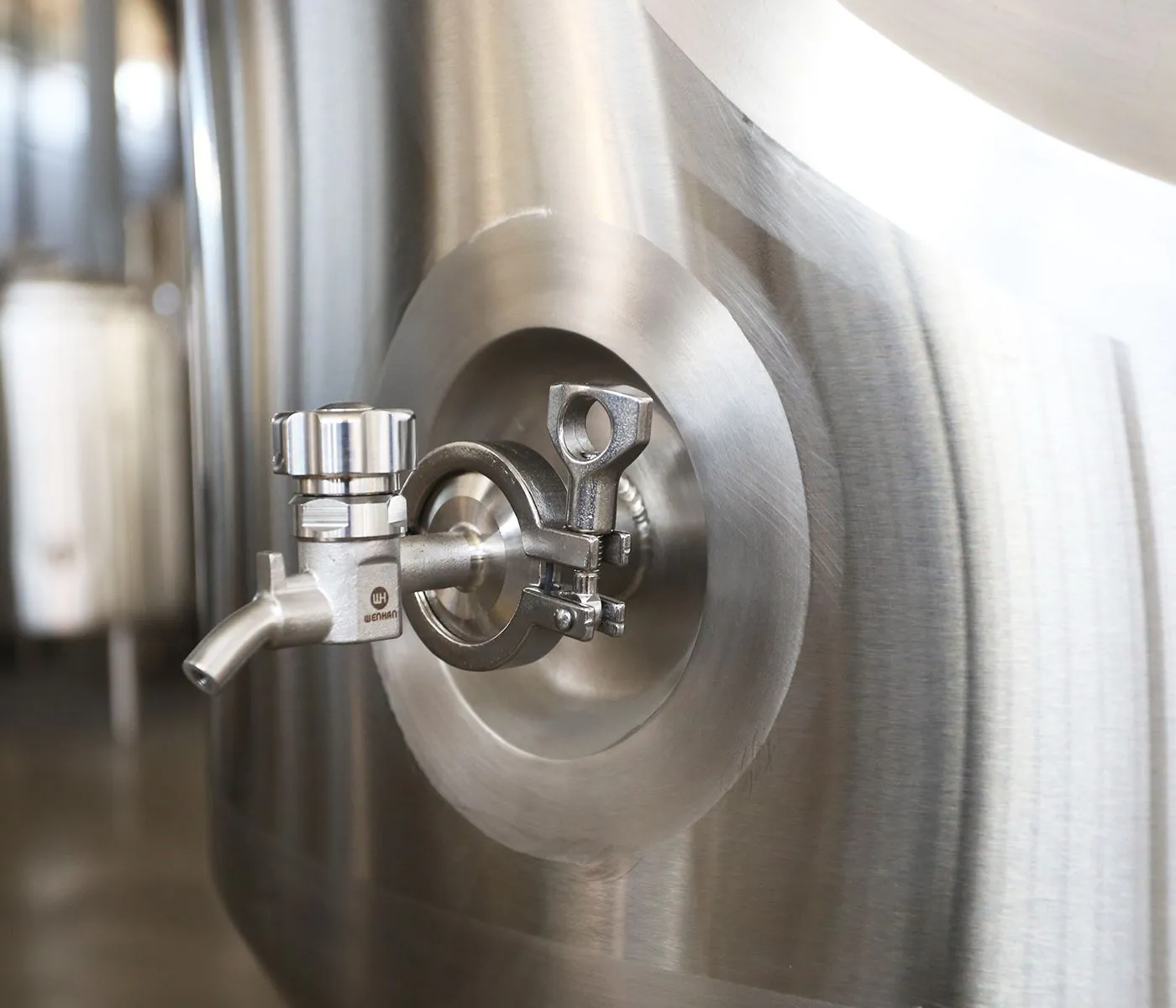
  • Standard accessories: dry hop 4″, manway, spunding (0.2–2.2bar), safety valve, sample, racking arm, CIP, PT100

Fermentation Capacity Planning (How Many 1000L Fermenters Do You Need?)

For a 1000L brewery, fermentation capacity—not brewhouse size—often becomes the first production bottleneck. A practical fermenter plan ensures stable weekly output, avoids rushed tank turnover, and keeps your cooling and CIP systems properly sized.

Fast Sizing Formula (Procurement-Friendly)

Recommended fermenter volume ≈ Batch Size × Fermentation Days ÷ Brewing Interval (days)

Example: If you brew 1000L/day, and fermentation averages 14 days, you need about 14,000L effective fermentation volume.

Practical Recommendations

  • Start-up craft breweries: 1000L FV × 4–6 (balanced launch)
  • Stable distribution output: 1000L FV × 6–10 (supports consistent weekly packaging)
  • High-turnover / multiple SKUs: add BBT + extra FV to avoid blocking fermentation tanks during conditioning
Brewing Pattern Typical Fermentation Cycle Suggested FV Qty (1000L) Notes
2 brews / week 12–14 days 4–6 Good for taproom + small distribution
3–4 brews / week 12–14 days 6–8 Most common commercial planning range
5+ brews / week 10–14 days 8–12 Recommend BBT + stronger glycol load

Actual FV quantity depends on beer styles (ale/lager), conditioning time, dry-hopping schedule, cooling capacity, and packaging workflow.

Utilities: Glycol Cooling, CIP, Controls & Boiler

Matched utilities reduce commissioning risk. Cooling capacity, CIP coverage, and controls are designed to support stable daily production and scalable expansion.

Glycol Cooling System (Industrial Grade)

  • Glycol tank: 3000L, SUS304, inside 0.4μm, insulation 80mm
  • Chiller capacity: 15kW (12900Kcal/h), outlet -5℃, ambient 35℃
  • Refrigerant: R407C; compressor options Copeland/Danfoss/Sanyo
  • Noise: 61dB(A)
  • Distribution: DC24V solenoid per tank, insulated supply/return loops, labeled pipes

Portable CIP Unit — 100L

  • Caustic tank: 100L SUS304 TH2mm, inside 0.2–0.4μm, heating 5kW
  • Control cabinet: SUS304, CHINT (Schneider/ABB/Omron optional), VFD optional
  • Use: consistent cleaning cycles for tanks and pipelines

Control System (Digital Standard, PLC Optional)

  • Brewhouse cabinet: Schneider parts, Danfoss VFD, Anthone temp controller
  • Functions: pump on/off, pump speed, agitator motor, manual heating switches
  • Options: PLC + touch screen, remote flow meter display, upgraded electrical brands

Steam Boiler (Including Oil-fired, Gas-fired and Electric Boilers)

Parameters below are based on Gas/Oil Steam Boiler

  • Evaporation: 100 kg/hr; pressure: 0.7MPa; steam 170℃
  • Fuel: natural gas 7 m³/h or diesel 8 L/h
  • Control: ON-OFF; AC220V 50Hz (customizable)

1000L Brewery Equipment – Technical Summary

Engineer-friendly summary for internal review and supplier comparison.

Model 1000L
Max. Malt Feeding Quantity 250 kg
Maximum First-Wort Concentration 22 °P
False-Bottom Load 200 kg/m²
Heating Method Electric / Steam / Direct Fire
Hot-Water Pump 5 T/h, 1.5 kW
Wort Pump 5 T/h, 1.5 kW
Glycol Water Pump 4 T/h, 0.75 kW
CIP Pump 4 T/h, 0.75 kW
Regulations / Conformity CE · UL · ISO · TUV · ASME
Footprint 35 m²
Total Power 45 kW
Automation Level Manual / Semi-Automatic
Container Transportation 1 × 40HQ

1000L Brewery Equipment Details

Utility Requirements Checklist (Before You Request a Quote)

To avoid delays during installation and commissioning, we recommend confirming your site utilities early. Share this checklist with your engineering team—our proposal will match your local power, steam, water, and drainage conditions.

Quick Checklist (Send Us These Details)

  • Power supply: voltage / phase / frequency (e.g., 380V 3-phase 50Hz)
  • Steam source: boiler type, working pressure, available fuel (gas/oil/electric)
  • Water supply: flow rate, pressure, temperature; soft water / RO if required
  • Cooling environment: chiller location, ventilation, ambient temperature range
  • Compressed air (optional): for pneumatic valves or packaging integration
  • Drainage: floor slope, trench drain, CIP discharge route
  • Site access: door height/width, forklift access, installation path
  • Layout file (optional): CAD/PDF drawings or simple floor plan

Engineer-Friendly Summary Table

Utility Item What to Confirm Why It Matters Electric Power Voltage / phase / frequency Matches motors, VFDs, chiller, and control cabinets Steam / Heating Boiler fuel + working pressure Determines brewhouse heating performance and operating cost Water Supply Flow rate, pressure, water quality Impacts brewing stability, cleaning cycles, and heat exchanger performance Cooling Environment Chiller location + ventilation Ensures rated cooling output under real ambient load Drainage CIP discharge route, floor slope Prevents downtime and hygienic issues during cleaning Site Access Door size, installation path Avoids installation delays and extra lifting costs

Tip: If you don’t have a layout yet, send a site photo + approximate room dimensions—our engineers can suggest a preliminary arrangement.

Expansion Path: Scale Your 1000L Brewery to 2000L Without Rebuilding

A well-designed 1000L brewery should not be a dead end. Our systems are engineered with a clear expansion path, allowing you to increase capacity to 2000L or beyond by adding tanks and utilities—without replacing your existing brewhouse.

How Expansion Works (Procurement Logic)

  • Brewhouse remains unchanged: the 1000L brewhouse continues daily operation
  • Capacity increases via fermentation volume: add more 1000L tanks
  • Utilities scale with load: cooling and CIP upgraded as needed

Common Expansion Options

  • Add fermentation tanks: 6 FV → 10–12 FV (most common upgrade)
  • Add Bright Beer Tanks (BBT): faster tank turnover, better packaging flow
  • Upgrade utilities: higher chiller capacity, larger glycol tank, stronger CIP circulation
Stage Brewhouse Fermenters BBT Cooling Typical Output
Initial 1000L 6 × 1000L 15 kW Taproom / local sales
Growth 1000L 8–10 × 1000L 1–2 20–25 kW Regional distribution
Expansion 1000L 10–12 × 1000L 2–3 30 kW+ Contract / wide market

Expansion planning is considered during the initial 1000L system design, including pipe sizing, glycol headers, control cabinet capacity, and floor layout allowance.

Why Choose METO

Relevant tanks and pressure-bearing components are manufactured in food-grade SS304 or SS316 as specified, with sanitary TIG welding, controlled surface finishing, and documented inspection records. All applicable equipment undergoes documented 48-hour water and pressure testing before shipment. CE, UL, and CSA compliance documentation is available for the applicable equipment scope and destination-market requirements. METO also provides layout, utilities, commissioning guidance and long-term expansion support.

Process Understanding

Configuration based on brewing workflows, not generic tank lists.

Custom Engineering

Layouts, utilities lists, and integration notes for your site.

Factory-Direct Manufacturing

Better cost control, faster response, clearer accountability.

Long-Term Support

Training, spare parts guidance, and expansion planning support.

Integrated Brewery Process Checklist

1

Malt Handling  milling & transfer preparation

2

Brewhouse  mash/lautering + boil/whirlpool

3

Cooling & Transfer  heat exchange to fermentation temp

4

Fermentation  jacketed conical fermenters for stability

5

Conditioning (Optional)  BBT / maturation

6

CIP  clean-in-place hygiene standardization

7

Packaging (Future-ready)  keg/bottle/can integration

Buyer Tip

Choose 1000L when the brewery needs a 10HL production rhythm, local distribution and an expansion-ready fermentation and packaging plan.

1000L Production Planning: Taproom and Local Distribution

A 1000L brewhouse can serve both direct sales and regular keg, can or bottle distribution when the cellar is sized correctly. Use the production schedule to calculate fermenter volume: batch size x fermentation days divided by brewing interval. Add bright beer tanks when conditioning or packaging would otherwise block fermenters.

Brewpubs & Restaurant Breweries
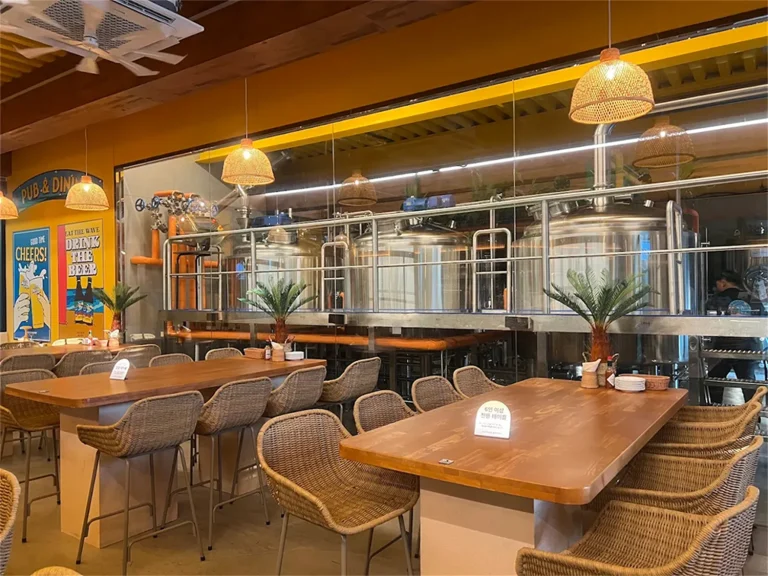
For brewpubs and restaurant-based breweries, the 1000L system provides sufficient output to support on-site consumption while maintaining fresh beer turnover. The compact yet professional layout fits well into hospitality environments, allowing breweries to brew in-house, control beer freshness, and enhance brand experience. Transparent piping layouts and stainless steel vessels also serve as a visual feature, strengthening customer engagement while delivering reliable daily production performance.
Image description
Independent Craft Breweries
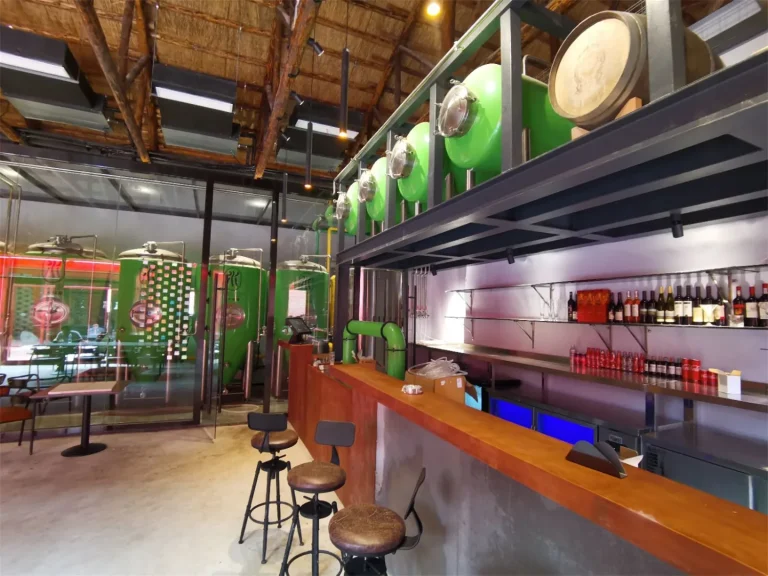
Designed for independent craft breweries targeting local and regional markets, the 1000L brewery system offers a practical balance between production capacity and operational flexibility. With the ability to support multiple brews per week, this system enables consistent beer quality, controlled production costs, and scalable growth. The professional-grade brewhouse, fermenters, and control system allow brewers to transition smoothly from pilot-scale to stable commercial production without over-investment at the early stage.
Image description
Pilot Production & Expansion-Ready Facilities
The 1000L brewery equipment is frequently used as a pilot or pre-expansion production system by breweries planning future scale-up. Its engineering logic, vessel sizing, and process flow closely match larger commercial systems, making recipe transfer and capacity expansion straightforward. This allows brewers to validate recipes, refine production processes, and prepare for larger brewhouse investments with minimal technical risk.
Image description

Verified 1000L Brewery Case Studies

Hanna Hops Beer Co. in Colombia, Muifel Brewery in the Netherlands and Brouwerij de HopHemel in Belgium are verified 1000L METO brewery references.

FAQ — 1000L Brewery Equipment (Engineering & Procurement)

Answers for engineering and procurement teams evaluating a 1000L brewery equipment project.

Start with the planned brews per week and average fermentation time. METO calculates the required effective fermentation volume, glycol load and CIP capacity, then reserves connections for additional tanks and packaging.

The project can include malt handling, brewhouse, hot liquor, fermentation, cooling, CIP, controls, sanitary piping and packaging interfaces as one coordinated scope.

Yes. Voltage, phase, frequency, electrical brands and control architecture can be configured for destination-market requirements.

Relevant tanks and pressure-bearing components are manufactured in food-grade SS304 or SS316 as specified, with sanitary TIG welding, controlled surface finishing, and documented inspection records. All applicable equipment undergoes documented 48-hour water and pressure testing before shipment. CE, UL, and CSA compliance documentation is available for the applicable equipment scope and destination-market requirements.

Yes. Production can grow by adding fermentation and bright beer tanks and scaling glycol, CIP, controls and packaging capacity.

Get a Customized 1000L Brewery Proposal

Share your target weekly output, beer styles, fermentation time, heating source, utilities and packaging plan. METO will prepare a 10HL equipment list, cellar model, preliminary layout and expansion-ready quotation.

  • Country / required standards (CE / PED / UL, etc.)
  • Batch size target & weekly output
  • Fermenter quantity preference (6 sets or more)
  • Heating preference (gas/oil/electric) & local voltage
  • Packaging plan (taproom / distribution)

Need packaging soon?

The 1000L system can be planned for keg, bottle or can integration with the required bright beer capacity and utility connections.

Request Your Proposal

Fill in the essentials—our team will respond with a technical proposal.

Tip: Attach layout drawings and utilities list for faster engineering confirmation.

Contact METO

Our team will reply using the contact details you provide. Please check your inbox and spam folder for our response.

*We respect your privacy. All information submitted is strictly confidential.

Your details will only be used to respond to your inquiry. We never send unsolicited emails or promotional messages.